Gibson Revives the Firebird Platypus: A Unique Blend of Vintage and Modern Design
Gibson is once again tapping into its rich history of unconventional guitar designs with the reintroduction of the Firebird Platypus, a model that represents a pivotal shift in the brand’s evolution during the mid-1960s.
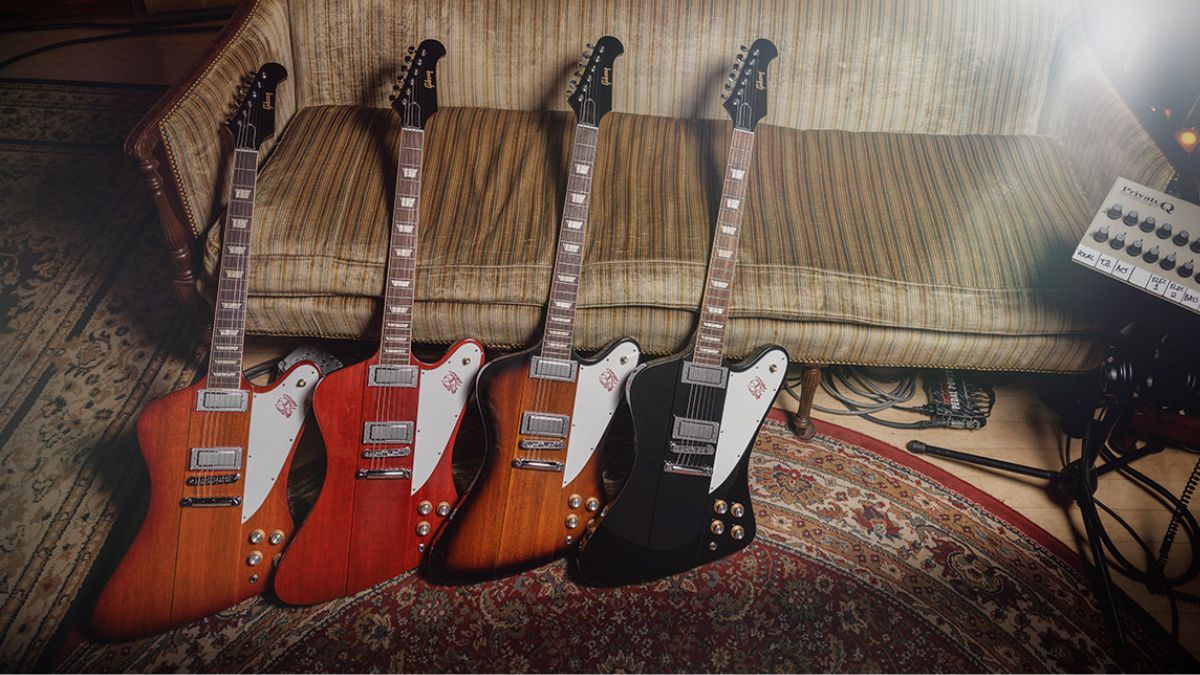
At first glance, the Firebird Platypus bears a striking resemblance to the contemporary Firebirds that have captured the hearts of musicians. However,its distinctive headstock,reminiscent of a platypus bill,sets it apart and gives this model its unique identity.
Originally launched in 1965, the Platypus brought significant innovations to the Firebird lineage. Unlike its predecessors, which featured a two-layer holly veneer and banjo-style tuners, this model showcases a flattened headstock with six-in-line tuners, enhancing both aesthetics and functionality.
A Hybrid Design with Classic Roots
Throughout the 1960s, Gibson’s design team continually refined the Firebird concept, recognizing the potential of its iconic body shape. The various iterations of the Firebird can be categorized into ‘reverse’ and ‘non-reverse’ models. The Platypus stands out as a hybrid, combining elements from both categories, featuring a mahogany body, a glued-in set neck, and the conventional neck-through reverse Firebird body style.
The headstock has been thoughtfully redesigned to ensure a straight string pull, which minimizes friction and enhances tuning stability. The SlimTaper neck profile allows for agile playing, while the rosewood fingerboard boasts a 12” radius, 22 medium jumbo frets, and elegant acrylic trapezoid inlays.
Emerging from the sleek neck is the defining platypus headstock, equipped with Grover Mini Rotomatic tuners and a Graph Tech nut, ensuring optimal performance.
Classic Sound Meets Modern Performance
In a nod to nostalgia, Gibson has equipped the Firebird Platypus with two historically accurate Firebird humbuckers. These pickups, featuring Alnico 5 magnets, are designed to deliver the signature “bell-like chime” and articulate tones that fans of the original 1960s Firebirds have come to love.
Master Luthier Jim DeCola emphasizes the thoughtful design of the pickups, stating that they utilize black mounting rings topped with traditional chrome trim rings, enhancing both sound quality and visual appeal.The strategic placement of the mounting rings ensures that the pickups are parallel to the strings, optimizing output and tonal balance.
The guitar features a three-way pickup selector switch located next to the classic firebird logo on the pickguard, along with dedicated Volume and Tone knobs for each pickup.
“We believe the new Firebird Platypus encapsulates the finest features of the Firebird lineage, combining aesthetics, sound, and playability,” remarks Jim DeCola.
design and Availability
The Reverse-style body of the Platypus features a raised centre section, yet it is constructed using the classic Gibson set-neck method, akin to the non-reverse Firebird models. Mat Koehler,Vice President of Product,shares insights on the revival: “After a hiatus from production,we aimed to reintroduce the Firebird in a way that honors its legacy,reminiscent of its 1965 incarnation.”
“That year marked the introduction of the Reverse body paired with the Non-Reverse neck, which I consider the pinnacle of Firebird design due to the tuners being positioned on the top side,” he adds.
The Gibson Firebird Platypus is now available for purchase at a price of $2,499, offered in three stunning color options: Tobacco Sunburst, Ebony, and Vintage Cherry.
For more details, visit Gibson’s official website.
Looking Back and Moving Forward
This release follows a special Gibson Certified Vintage drop that pays tribute to the brand’s often-overlooked superstrat era, alongside the return of the Gibson Victory, which aimed to capture the shred guitar craze of its time.
Other recent archive-inspired models include the Theodore, originally conceived in 1957 but only recently brought to market, and the anticipated return of the offset RD model, a favorite among artists like dave Grohl and the band Ghost.