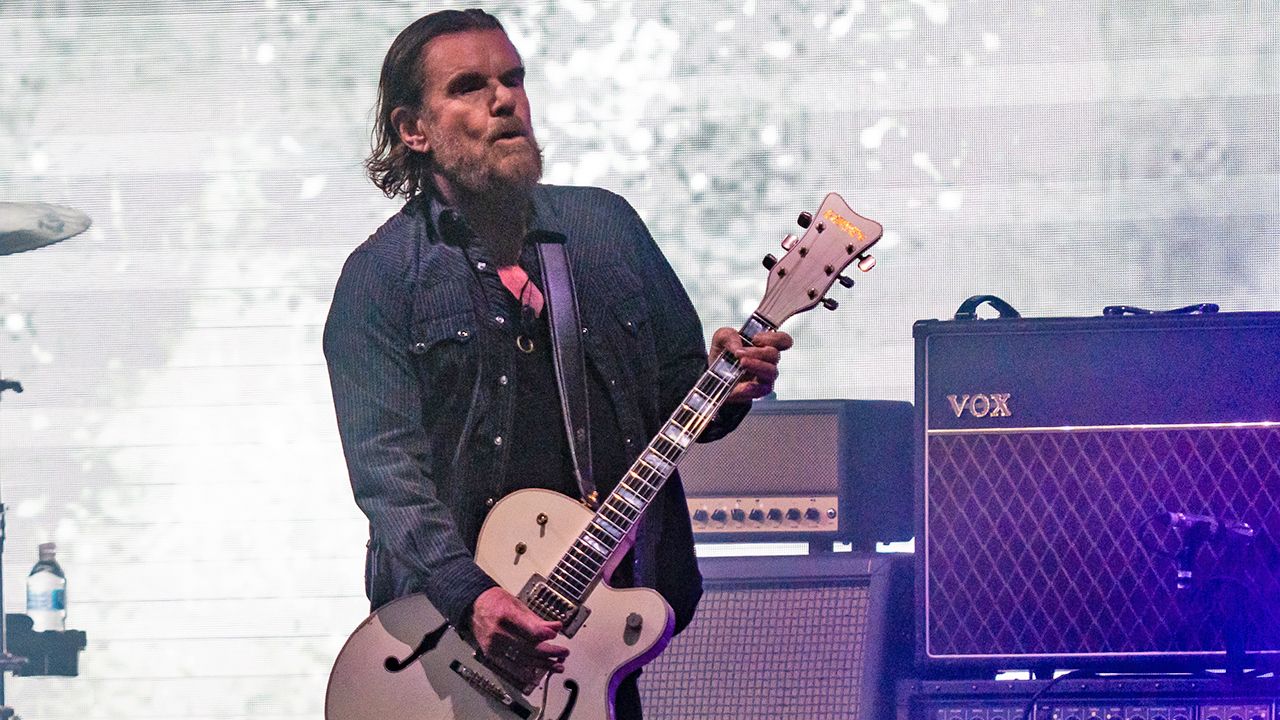
Unveiling the Creation of ‘Fire Woman’: Insights from Billy Duffy of The Cult
Billy Duffy, the iconic guitarist of The Cult, admits that the origins of their 1989 smash hit, Fire woman, remain somewhat of a mystery to him. “It sounds unbelievable, but I can’t recall much!” he confesses.
What stands out in his memory is the influence of producer Bob Rock, known for his work with legends like Metallica and Mötley Crüe. Rock assured Duffy that he would elevate him to guitar hero status through this track.
Crafting a Sonic Masterpiece
“We aimed to incorporate various elements and textures reminiscent of our 1985 album, Love,” Duffy explains. “However, I must admit that Bob refined much of my playing to align with his vision for the song.We recognized its potential as a single right from the start.”
Fire Woman soared to number two on the Billboard Modern Rock Tracks chart and topped charts worldwide, solidifying its place in The Cult’s live performances. yet, Duffy acknowledges that even today, the song presents a challenge to play.
“It’s a demanding piece. Bob would say, ‘I create the records; it’s your duty to figure out how to perform them live!’ But I can confidently say that during our youthful days in the late ’80s, we nailed it.”
Reflecting on the years since, Duffy shares, “We faced some struggles with the song, but I’m pleased to say that in recent years, we’ve finally mastered it. I’m thrilled with how the band executes it now.”
Growth as Musicians
By the time Fire Woman was in the works,Duffy and bassist Jamie Stewart had committed to enhancing their musical skills. Their previous album, Electric, had opened doors to the mainstream rock scene in North America.
“We wanted to evolve from a purist sound to something more intricate and, dare I say, sophisticated. While Electric was a blast and full of attitude, we knew we couldn’t replicate that record,” Duffy recalls.
Gear and Studio Vibes
At that time, Duffy was using Marshall JCM800 heads and cabinets, which the band had purchased after their triumphant Electric World Tour. He had them modified in New York City for a richer,fuller sound.
“I also relied on a Roland JC120 for that signature clean chorus. Bob had various amps available too, and I was always open to experimenting with what I call ‘studio amps’ for specific sounds-especially on a 48-track recording, where there were countless layers to cover!”
the recording took place at the renowned little Mountain sound Studios in vancouver, Canada. “I can’t recall much, except that it had two fully equipped studios, and other bands were frequently enough working on their projects there,” Duffy shares.
Bob Rock’s Influence
“Bob told me, ‘Don’t worry, I’m going to help you become a guitar hero,’ and he truly did! Before that session in 1988, we had been touring America with Billy Idol and Guns N’ Roses, witnessing firsthand their dedication to their craft,” duffy reflects.
“It really pushed me to improve as a musician. While I had a punk rock attitude, I realized that to keep up with the evolving music scene, I needed to enhance my technical skills.”
Recording ‘Fire woman’
During the recording of Fire Woman, Duffy typically tracked in the same room as his bandmates, but the intricate layering was done in the control room. “I spent countless hours with Bob and Mike Fraser, striving to push The Cult’s sound forward, which required significant time and effort,” he explains.
A tremendous amount of dedication and hard work went into the track and the album. I learned so much throughout the process.
Duffy recalls working on the picking parts for the intro using a Gretsch White Falcon and possibly a Gibson double neck 12-string. “We wanted to evoke some elements from she Sells sanctuary as well. A lot of time was dedicated to creating tight rhythm guitar parts, and Bob was strict about that. The solos and fills were the fun parts we tackled later, once the foundation was laid,” he adds.
The Impact of ‘Fire Woman’
As for the song’s success, Duffy wasn’t surprised by its mainstream appeal. “It elevated the band to new heights, and we produced a solid music video for it. A lot of effort went into the track and the album,and I gained invaluable experience along the way,” he states.
Today, Fire Woman holds a special place for Duffy. “It’s one of the most challenging songs to perfect. The chorus vocal on the word ‘fire’ is exceptionally high. bob initially suggested it be a background vocal!” he laughs.
“The guitar parts are heavily layered, so I had to distill them down while maintaining the groove. And let’s not forget the essential backbeat, played by a session drummer, which gives the song its bounce and swagger.”