jim McCarty Reflects on Eric Clapton’s Complex Persona in the yardbirds
As the sole drummer for the legendary British band the Yardbirds, Jim McCarty had the unique experience of sharing the stage with three of rock’s most iconic guitarists: Eric Clapton, Jeff Beck, and Jimmy Page. over his six-year tenure in the 1960s,McCarty witnessed firsthand the evolution of these musical giants.
“It’s incredible to think about,and with each passing year,the memories become even more vivid,” McCarty shares from his residence in France. “Back then, we were all just figuring things out together. Each guitarist brought something distinct to the table, and we were all having a blast playing that music.”
Distinct Personalities in a Legendary Lineup
McCarty’s insights into Clapton and his fellow bandmates reveal a engaging dynamic. “Very different” is an understatement when describing the personalities that shaped the Yardbirds over the past six decades.
Reflecting on Clapton’s time with the band, which lasted from October 1963 until March 5, 1965, the day their hit single “For Your Love” was released, McCarty notes that Clapton’s dissatisfaction with the band’s pop direction led him to leave for John Mayall’s Bluesbreakers.
A Troubled Upbringing and a Passion for Blues
“Eric had a challenging childhood; he was raised by his grandmother, whom he believed to be his mother,” McCarty explains. “She was a lovely woman, very warm and sociable. However, this upbringing shaped Eric’s perspective on life, and he embraced the blues as a personal mission.”
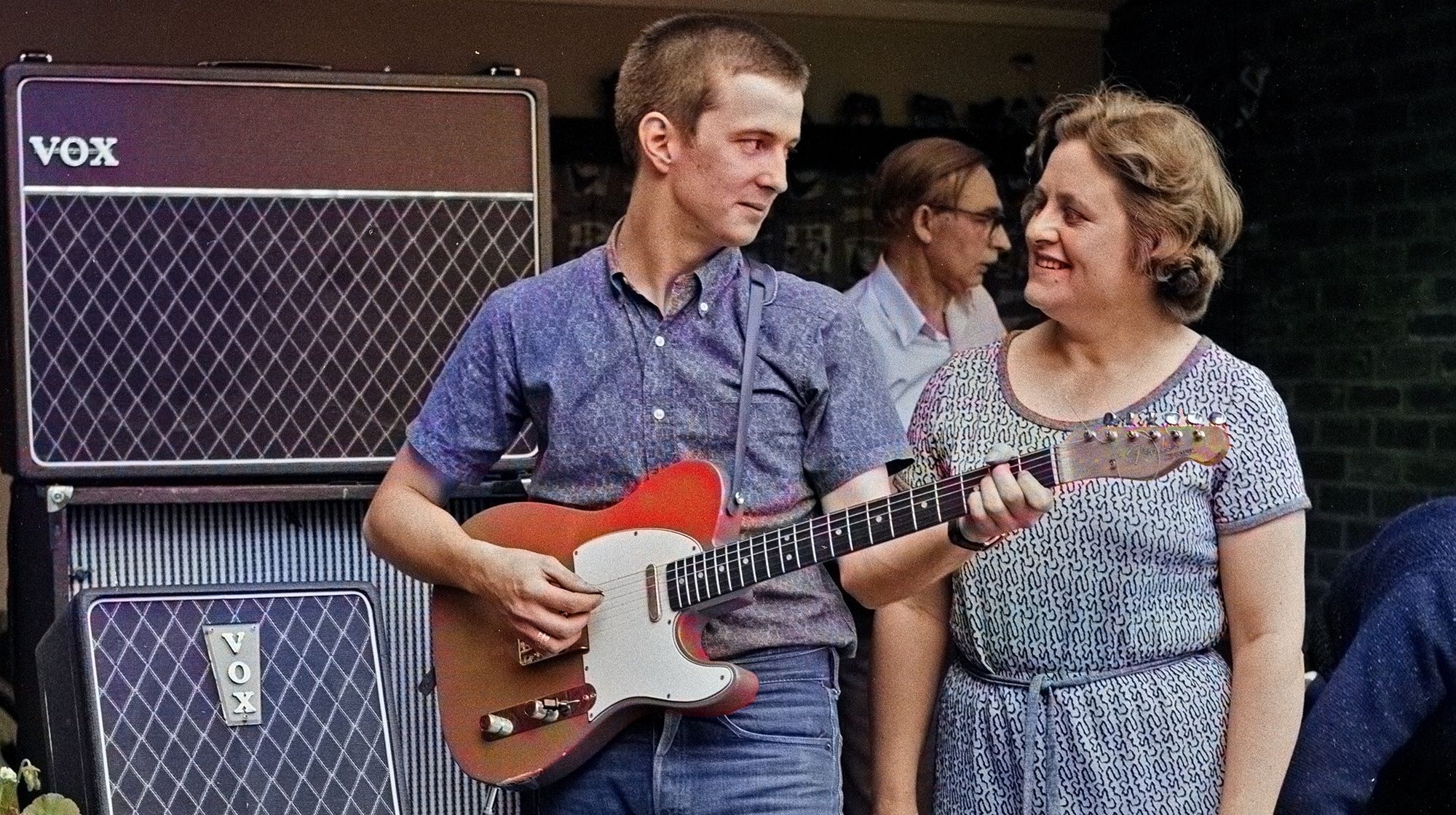
“He was incredibly dedicated to the blues, enterprising, and always conscious of his appearance. He made sure to dress in the latest styles, even showing up to auditions looking sharp. His fashion sense evolved dramatically, from an Ivy League look with a crew cut to longer hair and sideburns, reflecting his artistic change.”
The Early Signs of Greatness
“You could tell Eric was destined for greatness. He was driven and gaining a reputation while playing with us. He would meticulously replicate blues solos from legends like Buddy Guy and Matt ‘Guitar’ Murphy before developing his own unique sound,” McCarty recalls. “Despite his serious dedication to the blues, he often lightened the mood with jokes and impersonations.”
“However,he was also quite moody. During our travels in the van, he would often sit quietly in a corner, seemingly lost in his thoughts while the rest of us joked and laughed. It was clear he was not entirely content with how things were progressing.”
Struggles for a Hit and Creative Differences
“We were eager to produce a hit single and tried various ideas, including some of Eric’s suggestions. He proposed songs like ‘Putty in your Hands’ and ‘Hang on Sloopy,’ but they didn’t resonate like ‘For Your Love’ did,” McCarty explains. “When Paul Samwell-smith suggested a more elaborate arrangement for ‘For Your Love’ featuring a harpsichord, Eric felt we were compromising our sound. He seemed to find more satisfaction with John Mayall’s approach.”

The Next Chapter for Clapton
Clapton departed from the Yardbirds shortly after their hit, joining Mayall’s band within a month. He quickly established himself as a leading figure in British blues with the release of Blues Breakers With Eric Clapton in July 1966.
By that time, Clapton had already formed Cream with bassist Jack Bruce and drummer Ginger Baker, marking the beginning of a prolific career that would see him move thru various bands, including Blind Faith and derek and the Dominos, the latter of which he believed would last for years. Unfortunately, they disbanded less than a year after releasing their acclaimed album, Layla and Other Assorted Love Songs.