Exploring the Purple Realm: Unveiling Prince's Musical Genius, His Iconic Band, and the Studio Magic
0 reactions
2 months ago
Beatbounty
Step Inside the Enigmatic Realm of O(+>
Imagine a compact, cave-like chamber, roughly five feet in length, adorned with a low, golden ceiling that gently slopes down to a floor dressed in pristine, fluffy white carpet. The atmosphere is somewhat stifling, infused with a faint scent of sweat and who knows what else. If Disneyland had a hidden brothel, this might just be its likeness.
at one end of this intimate space, concealed behind a rich red velvet curtain, lies an impressive mixing console. At the opposite end, a mirrored dressing table and a regal chair upholstered in leopard print complete the scene.
Welcome to the Endorphin Machine – the private on-stage sanctuary of the artist now known as O(+>.
The Mystery of O(+>
Who else but O(+> would create a stage that features a retreat for the artist to escape from the audience? This exclusive and enigmatic figure thrives on mystery. Concert-goers will never glimpse behind the velvet curtain, perhaps meant to conjure images of tantalizing decadence whenever O(+> slips away. But the reality is simpler: he retreats to adjust his appearance and fine-tune the show.
The mirror and mixing board symbolize the immense ego encapsulated within the 5-foot, 3-inch frame of O(+>. Without the groundbreaking, genre-defying music he produces, that ego might be unbearable.
One might assume that singing passionately, making his guitar cry like a saint in ecstasy, leading his awe-inspiring band, and being the focal point of the entire performance would be enough for him. Yet, he also takes on the role of sound engineer? In the music industry, it’s widely accepted that you can’t manage sound from the stage.
Or can you?
The Hands-on Approach
“It’s been a real trial-and-error process, but it’s improving considerably,” shares Michael Bland, drummer for O(+>’s current ensemble, The New Power Generation.”At this point, O(+> doesn’t trust any sound engineer – and rightly so.”
“Back in 1990, during my first tour with Prince, as he was known than, he would dive into his guitar solo on Purple Rain, and it could take four bars before the sound engineer would boost the signal, causing the guitar to finally kick in. By then,the whole solo would be ruined.”
“O(+> is incredibly hands-on. his philosophy is, ‘If you can’t deliver, I’ll do it myself.’”
Live at Glam Slam
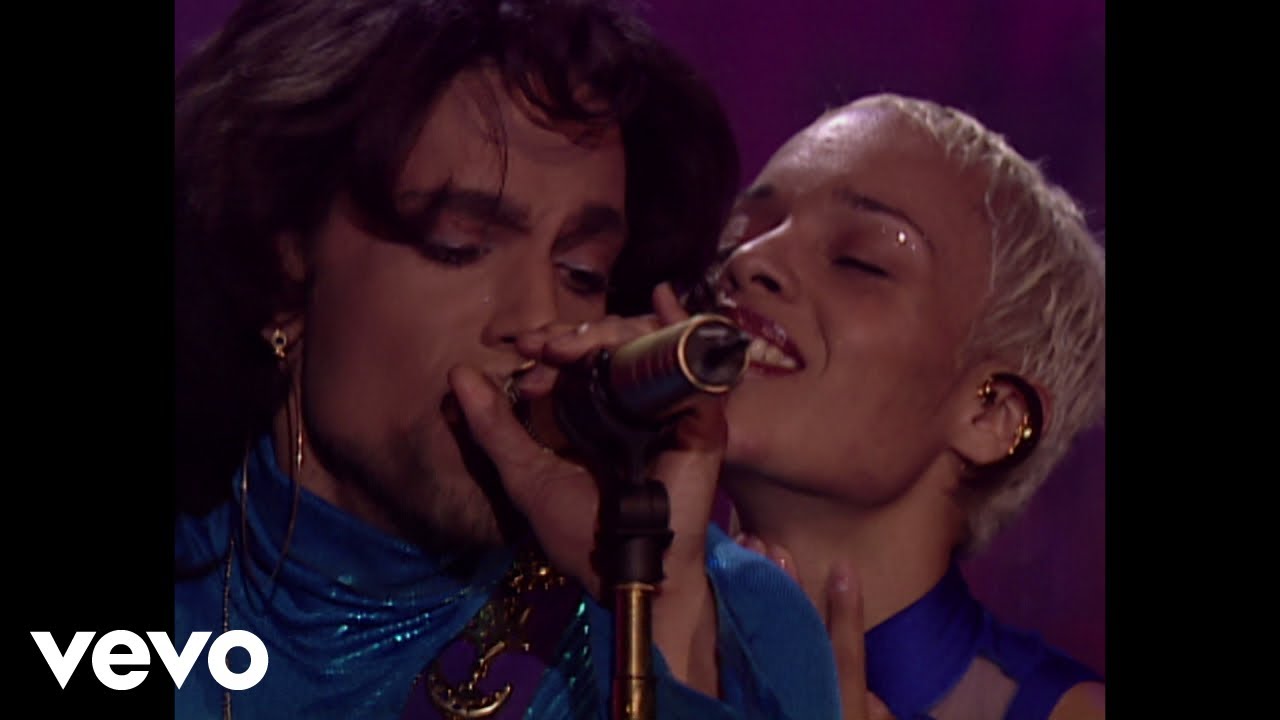
Inside O(+>’s Glam Slam club in Minneapolis, the sound is nothing short of electrifying, as he leads The new Power Generation through a set that hits hard and fast, reminiscent of a roaring train.
The audience is euphoric,dancing in the intimate setting of their hometown hero’s nightclub. O(+> has proven once again that if anyone can mix sound from the stage, it’s this slender enigma, capable of extracting thunderous funk from everything – from a “cloud” guitar to an SSL mixing console.
Throughout his career, he has consistently shattered the norms of showbiz.
At just 17,O(+> signed with Warner Bros., gaining unprecedented artistic control over his music – the youngest artist in the company’s history to achieve such a feat. Since then,he has steadfastly refused to adhere to a conventional career trajectory,taking risks that many would label reckless. He has never shied away from potential ridicule, consistently validated by the exceptional quality and imaginative depth of his music.
I always wanted to be recognized as a guitarist, but once you have a hit, you know how it goes…
O(+>
Artistic Expression and Inclusivity
In a bold artistic statement, O(+> designed the entrance and interior of his mixing cave to resemble a stylized representation of female anatomy, complete with a faux gold clitoris. His stage also features a towering gold structure that subtly hints at male anatomy.
O(+> has always embraced diversity, assembling bands that include musicians of all genders and ethnicities. His music traverses a wide array of genres, from rock to funk to jazz, demonstrating his belief that seemingly opposing elements can coexist harmoniously within the cosmic Love Vibe.
His new name, O(+>, symbolizes the union of male and female, while his form-fitting bodysuit – one leg black, the other white, interwoven with both colors – reflects his fascination with the balance of opposites.
The Duality of O(+>
Though,this duality comes with its challenges. With one foot in funk and the other in rock, O(+> has often been overlooked in both genres. His multifaceted talents as a songwriter, vocalist, multi-instrumentalist, producer, and image creator sometimes overshadow his exceptional guitar skills.
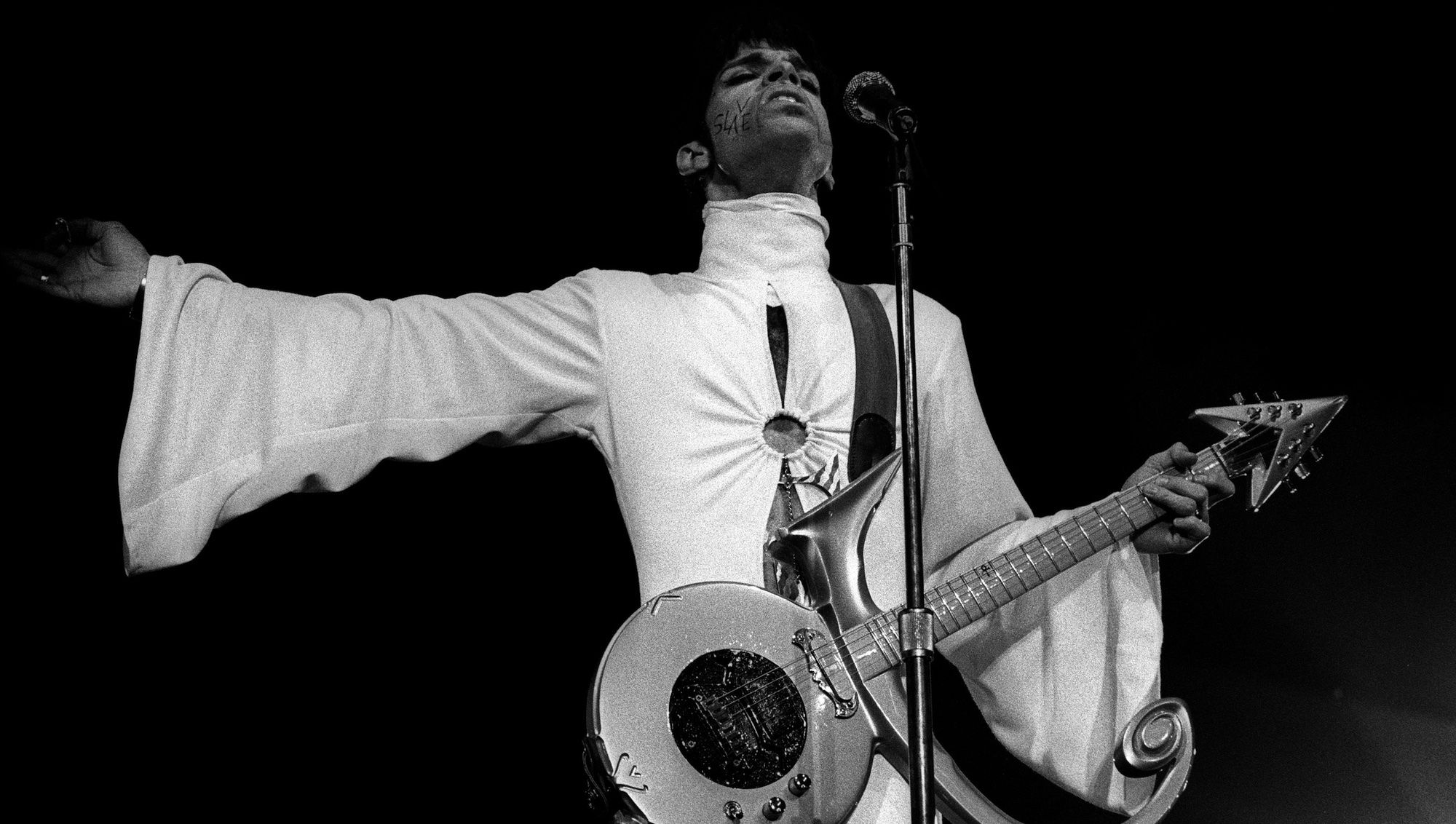
Yet, he showcases his prowess at the Glam Slam, opening his show with powerful rock anthems, skillfully shredding on his signature “love symbol” guitar.
the setlist is packed with fresh material,much of which may never reach the public. True to his nature, O(+> doesn’t cater to audience expectations, opting not to perform any of his past hits (which were recorded under the name Prince). His only nod to commercial appeal is his latest single, The Most Beautiful Girl In The World.
Unsurprisingly, the concert is captivating from start to finish. O(+> appears to be in one of his most guitar-driven phases since the iconic days of Purple Rain,even closing with a medley of classic Santana guitar riffs,blending Carlos’s fiery phrasing with his own distinctive tone.
“I’ve always wanted to be seen as a guitarist,” O(+> confides. “But once you have a hit, you know what happens…”
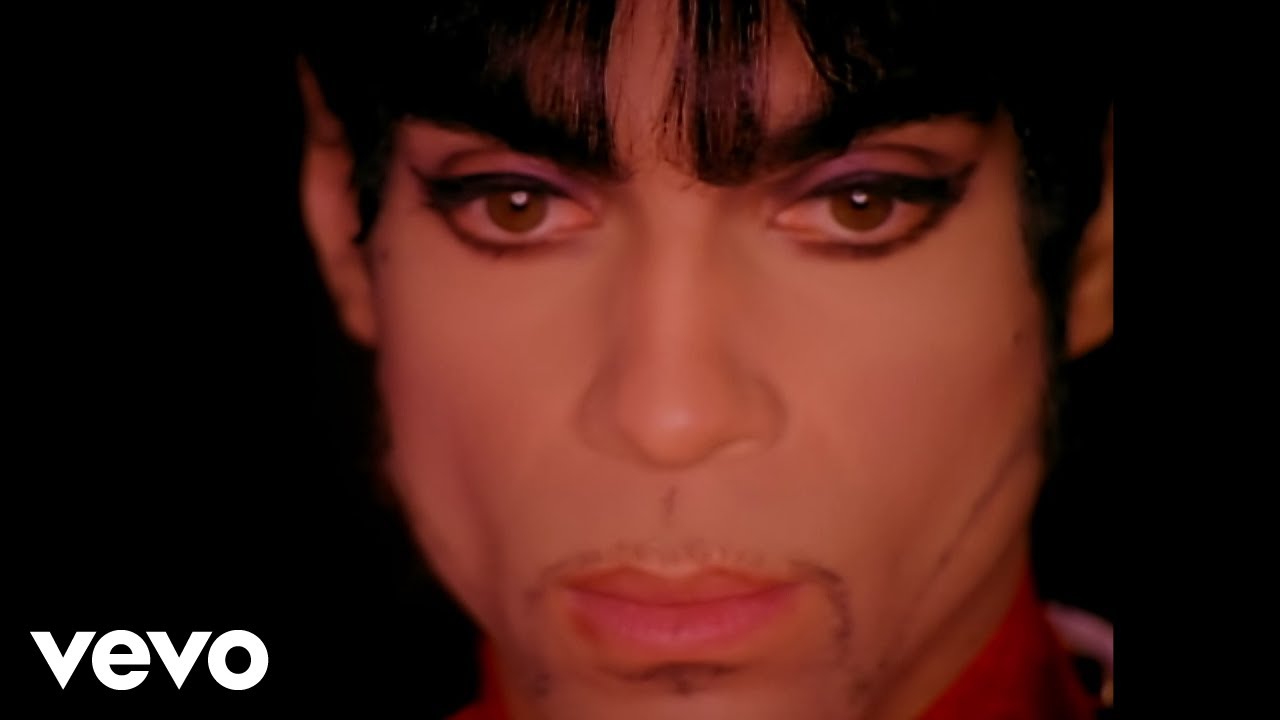
O(+> - The Most Beautiful Girl In the World (Official Video) – YouTube
The Interview Experience
Engaging with O(+> is a unique experience.He eschews conventional interview protocols, forbidding journalists from using the term “interview,” employing tape recorders, or taking notes during their discussions. Reporters are expected to remember everything he says,which can be a daunting task given his often monosyllabic and evasive responses.
O(+> seems to harbor a deep skepticism towards both spoken and written language. His new name is a symbol that defies verbal expression, transcending the limitations of any alphabet.
“He prefers to communicate through his music,” explains his bassist, Sonny Thompson. “His philosophy is to release as much music as possible to express himself.”
Inquiring journalists often find their opportunities to learn about O(+> limited. Meetings with him are typically brief, with reporters waiting for hours, sometimes until the early morning. This treatment isn’t exclusive to the press; others, like Barbara Streisand’s lighting director, have experienced similar delays, waiting hours before being granted a brief audience with O(+>.
On the night of my appointment in Minneapolis, the lighting director was kept waiting for five hours before being told, “My work is my love. My love is my work. We’ll talk.”
Inside the World of O(+>: A Glimpse Beyond the Curtain
My first encounter with the enigmatic artist known as O(+> occurs a few hours after his electrifying performance at Glam Slam, during an after-party held in the club’s upper level. two of his aides guide me with utmost respect to a spot adjacent to the DJ booth, where O(+> is confidently engaging with guests.
Despite the demanding show he just delivered, he appears remarkably refreshed, sporting a striped polo shirt and flared pants that evoke a sailor vibe. The flamboyant hairstyle reminiscent of Jimi Hendrix seems to have been replaced with a more understated look, featuring pencil-thin sideburns and a connected mustache.
my preparation for this meeting has equipped me to expect his slight frame and the noticeable layer of makeup on his face. However, the most surprising aspect is his everyday speaking voice, which sounds remarkably ordinary, like that of a typical Midwesterner. This impression is particularly striking over the phone, where his carefully curated appearance cannot distract from his genuine demeanor.
“Anything you played for him, he could replicate. I’ve never witnessed anything like it. He definitely possesses perfect pitch. Whatever he hears,he can play,”
Sonny Thompson,bassist for New Power Generation
Finding His place
As the crowd around him grows,O(+> climbs onto a brick window ledge behind the DJ booth,perhaps to gain a better view of the room,as he is known to be sensitive about his height.
O(+> has expressed a desire for interviews to focus on his music and guitar skills rather than personal matters like his sexuality or relationships. When I ask if he considers the guitar his primary instrument, he responds thoughtfully, stating that he doesn’t designate any instrument as his “main” one. Instead, he chooses whatever is necessary to bring a song to life.
“I begin with the city. Then I select the street,” he adds enigmatically.
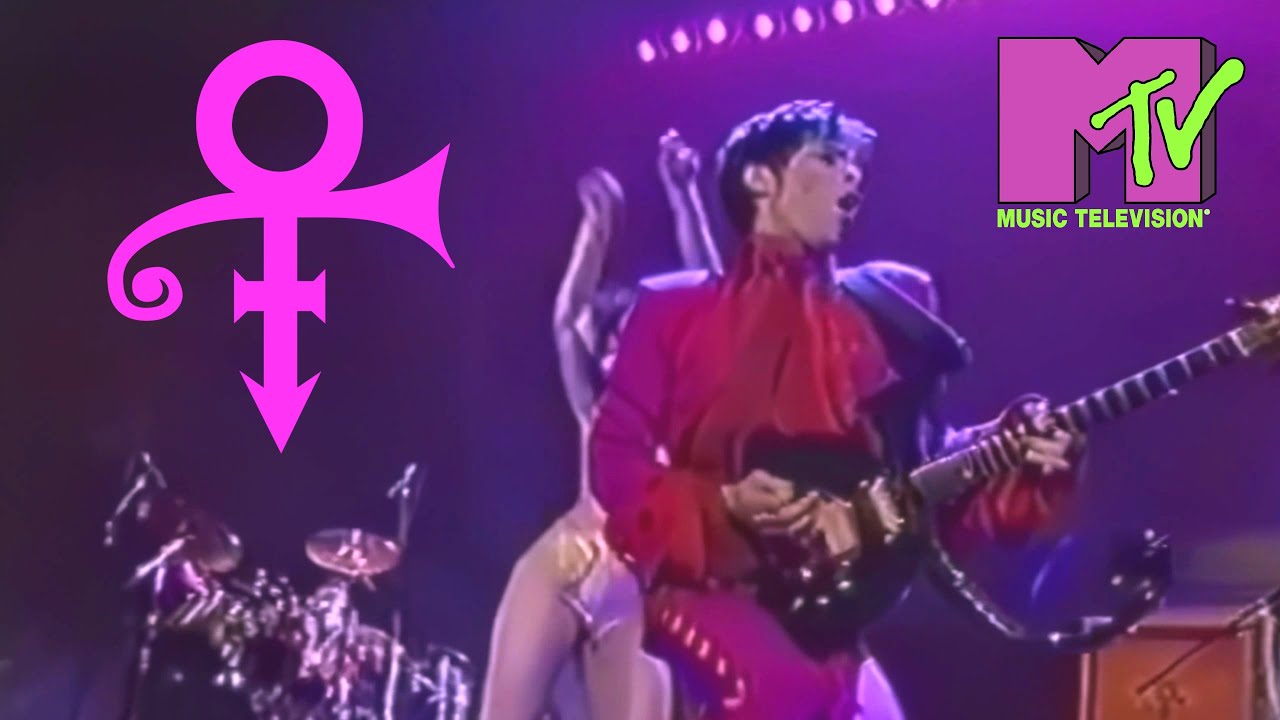
PRINCE – Peach (MTV: 1994 EMAs) – YouTube
Musical Influences and Inspirations
What instrument did you start with?
O(+>: I began with the piano, transitioning to guitar around the age of 13.
What do you consider the ultimate guitar tone?
O(+>: A woman in climax.
Are your solos planned or spontaneous?
O(+>: They are spontaneous.
Which of your solos or guitar tracks do you favor?
O(+>: each one is unique.
What inspired the Santana medley you performed tonight?
O(+>: That was Sonny (Thompson)’s idea.
is Carlos Santana a favorite guitarist of yours? Have you met him?
O(+>: I consider carlos a friend.
Who are your all-time favorite guitarists and biggest influences?
O(+>: I’ve listened to everyone. My all-time favorite is Sonny T.
When it comes to discussing influences, O(+> is evasive, refusing to name specific guitarists who have shaped his style. Though, he does acknowledge his musical roots, having been influenced by a blend of R&B and early ’70s rock, including artists like Sly & the Family Stone and Earth, Wind & Fire, along with bands like Grand Funk Railroad and Chicago.
Legend has it that being able to play the solo from Chicago’s hit 25 Or Six to Four was a rite of passage for aspiring guitarists at O(+>’s high school. His early band was even named Grand Central, a nod to the Michigan trio Grand Funk Railroad. Growing up as the son of jazz pianist John Nelson, O(+> undoubtedly absorbed elements of the rich Black musical tradition.
(Image credit: Gene Sweeney Jr/Getty Images)
However, O(+> is reluctant to acknowledge these influences today, as if he wishes to project an image of having emerged from nothing, akin to Venus rising from the sea. He avoids naming specific inspirations, perhaps out of fear of excluding someone or mentioning an artist deemed unfashionable.The more I press him for names, the more he circles back to Sonny Thompson, the bassist in his band, who previously played guitar in various Minneapolis groups.
“I thought Sonny was a god,” O(+> admits, echoing the sentiments of many who regard him with similar reverence. “Sonny was my hero. Much of what I do on guitar, I learned from him. I would visit his house, and we’d listen to records and he’d teach me things on the guitar.”
Sonny seems pleasantly surprised by O(+>’s praise: “Oh, man! He said that? Wow!”
Having known O(+> since childhood, Sonny recalls their early days: “we grew up together.I met him on the south side of Minneapolis while carrying my guitar, and he was doing the same.”
paisley Park, O(+>’s headquarters, is situated near his home in Chanhassen, Minnesota, a suburb of Minneapolis. The building has a sterile, corporate appearance, resembling the headquarters of a successful Midwestern insurance firm.
Sonny reminisces about the music they listened to during their formative years as guitarists: “At that time, I was around 13 or 14, immersed in Hendrix and Grand Funk Railroad. I was in a band playing guitar, and I was just starting to explore artists like Chick Corea. it was a wild time.”
He adds that O(+> was an exceptionally fast learner. “Oh, man! He has a photographic memory. Anything you played for him, he could replicate. I’ve never seen anything like it. he definitely has perfect pitch. whatever he hears, he can play.”
It’s no surprise that O(+> and Sonny practiced Hendrix riffs during the early ’70s; what guitarist from that era didn’t? At times,particularly during the Purple Rain era of 1984-85,O(+> seemed intent on channeling jimi Hendrix. His lace neck cloths and flashy frock coats were a clear homage to the cover of Hendrix’s Are You Experienced? album, and many of his stage moves during extended guitar solos appeared to be inspired by Hendrix’s performances.
One wonders if this was merely another costume change for him – a new persona to adopt, akin to his sign O’ the Times terrycloth miniskirt or the Zorro outfit featured on the cover of O(+> [the 1992 album by Prince and the New Power Generation]. However, in donning Hendrix’s stage attire, O(+> seems to have internalized the essence of his music as well.
Even his latest album, Come, concludes with a free-form guitar solo titled Orgasm, where O(+> unleashes a flurry of notes reminiscent of Jimi’s iconic Woodstock rendition of The Star Spangled Banner. Yet, O(+> adds his own distinctive flair to the performance, with the only other sound being that of an unidentified woman experiencing a prolonged and vocal climax.
You’ve often been compared to Jimi Hendrix. What are your thoughts on that?
O(+>: People make the world go ’round.
Was your guitar solo on Orgasm directly inspired by the title and subject matter?
O(+>: Yes.
Many perceive the guitar as a phallic symbol. Do you share that view?
O(+>: People make the world go ’round.
(image credit: Dave Benett/Getty Images)
Sonny Thompson offers his outlook: “Many people say he sounds like Hendrix; but to me, he doesn’t really. His vibrato is distinct. The way he approaches the guitar is unique. I believe his guitar sound is evolving. He seems to absorb influences from various instruments and then expresses them through his guitar.”
One reason it’s challenging to define O(+> as a musician is his astounding productivity. Since 1978, he has consistently released approximately one album per year, along with numerous singles, remixes, and non-album tracks. It’s estimated that he has around 500 unreleased songs, not counting bootleg material.Additionally, he has ventured into film and video as an actor, director, and screenwriter, and has penned hits for various artists, including Sheila E.,the Bangles,Sheena Easton,The Time,and even Kenny Rogers.
“It’s like being a firefighter. When there’s a fire, you suit up and slide down the pole. The rate at which he writes and records is astonishing,”
Michael Bland, drummer for New Power Generation
O(+> is featured prominently on the recently released 1800-NEW FUNK album, which includes his duet with Nona gaye (daughter of Marvin Gaye), titled Love Sign. Songs frequently appear on soundtracks, and he even finds time to play keyboards for the jazzy instrumental group Madhouse. His life seems to be structured around maximizing his creative output.
Paisley Park, O(+>’s headquarters, is located near his residence in Chanhassen, Minnesota, a suburb of Minneapolis. The building has a clean, corporate look, resembling the headquarters of a successful Midwestern insurance company.
Paisley Park: The Heart of O(+>’s Creative Empire
Nestled in Chanhassen, Minnesota, Paisley Park presents itself as a pristine, corporate-style building that could easily be mistaken for the headquarters of a successful Midwestern insurance firm. There’s not a hint of flamboyance in sight.
“People often express disappointment that there aren’t women in bondage gear hanging from the rafters,” quips the publicist for Paisley Park. Instead, the facility is staffed by polished, professional young men and women, all of whom can refer to “The Artist Formerly Known As Prince” with a completely straight face.
“I hope you have a great conversation with The Artist Formerly Known As Prince,” one staff member cheerfully told me.”Have you seen this new picture of The Artist Formerly Known As Prince?” Among themselves, however, they typically refer to him simply as “The Boss.”
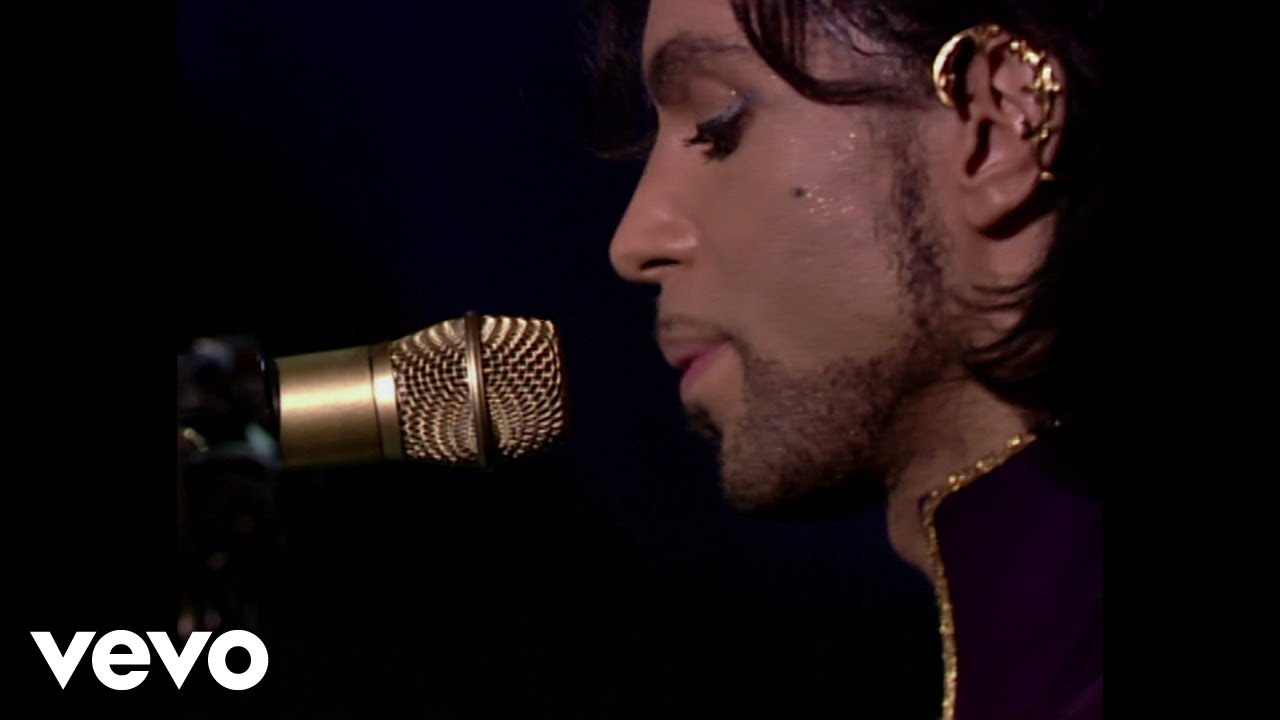
Prince – Nothing Compares 2 U (Live At Paisley Park,1999) – YouTube
Business Operations at Paisley Park
The upper level of Paisley Park is dedicated to O(+>’s various business ventures, including his newly established NPG Records, which is now led by Levi Seacer Jr. Seacer transitioned from being the New Power Generation’s talented second guitarist to focus on the business side of things.
On the main floor lies the renowned Paisley Park recording studio, equipped with one of the most advanced SSL consoles available, notable for featuring a symbol instead of the manufacturer’s logo. Below that is a vast sound stage utilized for everything from video shoots to full-scale tour rehearsals and spontaneous jam sessions.Whenever inspiration strikes, O(+> can easily slip down from his residence to experiment with the state-of-the-art facilities.
Staff members at Paisley park often remark that their Boss is “very hands-on” with the operations, arriving at his office by 10 or 11 each morning. However, he spends a meaningful amount of time in the studio, reportedly sleeping very little. it’s not uncommon for his band members to receive calls at three or four in the morning, summoned for recording sessions.
“It’s like being a firefighter,” suggests Michael Bland, the drummer. “When there’s a fire, you suit up and slide down the pole. The speed at which he writes and records is astonishing.”
“O(+> works faster than anyone could imagine. He often carries a notebook filled with lyrics, just waiting for a song to emerge. If he hears something he likes during a jam, he’ll whip out the notebook, and we’ll start crafting a new song. Other times, he’ll come into the studio with a fully formed song he created at home, frequently enough at his grand piano with a simple cassette recorder.”
O(+> himself is not keen on discussing the songwriting process, referring to it as “childbearing.” “Those questions are too personal. Thank you for not asking.” Though, insights from those around him reveal that he is like an antenna for song ideas, always ready to capture inspiration from his surroundings.
“Many song ideas originate during our soundchecks,” Levi Seacer explains. “Sometimes our soundchecks last longer than our actual performances! We just start jamming, and if someone has a good idea, we record it on a cassette and might head to the studio after the show to lay it down. As a notable example, the foundational tracks for Diamonds and Pearls came together in just a week and a half. I recall one night when we recorded three songs: Money Don’t Matter, Willing and Able, and the non-LP B-side Horny Pony all in one evening.”
Spontaneity in the Studio
O(+> favors spontaneous, first-take recordings, even for complex pieces like Three Chains Of Gold from the O(+> album.
“That was one of many tracks we had to record in a single take,” Bland recalls. ”We had to piece it all together and play it in one go.”
Another artist often compared to O(+> is Frank Zappa, known for his prolific output, instrumental prowess, and obsessive perfectionism. Like Zappa, O(+> meticulously composes and arranges some of his albums in advance, while on others, such as Come, he leans more towards improvisation.
“The Come album really came about out of boredom during Christmas vacation,” bland laughs. “sonny and I were the only two in the band who stayed in Minneapolis during the holidays. O(+> got restless,as he often does.When he’s not creating, he feels lifeless.”
“he went down to the soundstage where we had set up for rehearsal before the break and played by himself for hours. They say he was in there for eight to ten hours, just experimenting with ideas. the next day, he mustered the courage to call us and ask, ‘Are you guys bored too?’ We came out and worked on several tunes, then headed to the studio to record them – we laid down the rhythm tracks for Dark, Come, Papa, and a few others.”
As his bandmates returned, O(+> continued to refine these initial tracks, resulting in a polished album. Though, the experience of working in a trio with just Thompson and Bland sparked an idea for a different kind of record.
While working on Come, the three of them set up on the soundstage at Paisley Park, cranked their amps, and engaged in some bluesy jamming. This session led to the creation of an album titled The Undertaker.
“picture this,” Bland describes: “A DAT machine, a 32-channel board, two techs, and three musicians. It was around three in the morning. We got our sounds dialed in and just let the DAT roll. We recorded that album in about an hour, playing straight through with no overdubs.The sequence of songs on the record is exactly how we performed them, with the guitar seamlessly transitioning from one track to the next, just like in our live shows.”
Levi Seacer Jr. (left) and Prince perform onstage at the Flanders Expo in Ghent, Belgium on April 9, 1993 (Image credit: Gie knaeps/getty Images)
The Future of O(+>’s Music
There has been ongoing speculation about a straightforward blues album from the artist formerly known as Prince, but O(+> clarifies that The Undertaker is not that album.
“It begins with a blues feel,” he acknowledges, “but quickly transitions to funk. Though, due to the first track, people tend to categorize it as a blues album.”
I take a seat behind the SSL board in the control room at Paisley Park’s main studio. An engineer cues up a tape, and a lean, powerful three-chord blues track titled The Ride fills the speakers. The song follows the classic automotive double entendre tradition: ”If you got the time, baby, I got the ride.” Yet, O(+>’s guitar solos (and there are many) break free from traditional blues conventions.
The initial solo is smooth and fluid, featuring a tone that blends a honking wah effect with the envelope filter sound from a Zoom 9030 effects processor (O(+> has recently developed a fondness for the Zoom, using it similarly to how he employed a harmonizer on the Diamonds and Pearls album). The second guitar solo unleashes a chaotic, mega-distorted, dissonant frenzy that showcases O(+>’s penchant for excess.
“He really opens up and explores different sounds when Michael and I perform as a trio with him,” Thompson notes. “Without keyboards or anything else, he can truly express himself.”
As for O(+>, he expresses satisfaction with The Undertaker: “It’s raw and garage-like, you know? But Warners won’t release it…”
This brings us to the crux of O(+>’s ongoing dispute with Warner Bros. To put it simply, O(+> produces more music annually than the label believes it can profitably release, resulting in a backlog of unreleased material.
“Don’t you think there’s a restraint of trade?” O(+> asks, referencing George Michael’s lawsuit against Sony records over artistic freedom.
His conflict with Warner Bros. has been escalating for years, with the public first becoming aware of the struggle around 1988, when the infamous Black Album was initially set for release but was later withdrawn by O(+>.
While the official reason for the withdrawal was its “dark subject matter,” there were also complaints from O(+>’s camp regarding “scheduling conflicts” with Warner Bros. Shortly thereafter, the Lovesexy album was released, causing the Black Album to fade from memory – except for bootleggers and collectors.
Fast forward to 1994. After experiencing financial losses for some time, O(+>’s Paisley Park Records label (distributed by Warner Bros.) ultimately folded. Simultaneously occurring, the artist formerly known as Prince had three albums’ worth of material ready to go, but Warner Bros. agreed to release only one. In response, O(+> announced that he was no longer Prince and had changed his name to O(+>.
Thanks to a special arrangement with Warner Bros., he was permitted to release his first work under his new identity – the hit single The Most Beautiful Girl In The World – through his newly established NPG label, distributed not by Warner Bros., but by R&B entrepreneur All Beller’s Bellmark Records.
What will happen with the Undertaker? If Warner Bros. refuses to release it, will they allow the artist they continue to market as Prince to distribute it through NPG/Bellmark? In other words, was the The Most Beautiful Girl In The World deal a one-time courtesy or a precedent-setting policy change by Warner Bros.? Currently, lawyers and managers are negotiating this issue.When asked about the situation, O(+> offers a characteristically insightful response.
Will The Undertaker be released on your NPG label?
O(+>: I’m not sure.Levi manages the label.
When I pose the same question to Levi Seacer, I don’t get much further: “As for when it’s going to be released, I don’t know. The thing is, he’s always working on something. But I believe this needs to be heard.”
O(+>: A New Era in Music and Identity
With the release of his own CD-ROM,O(+> appears to be stepping into the digital age,reminiscent of Todd Rundgren’s transformation into TR1. This name change raises questions about weather it signifies a shift in his approach to music marketing.
Initially,O(+> intended to release only previously recorded material under the Warner Bros.label-tracks that were completed during his time as Prince. However, his collaborators assert that the Come album, which shares its timeline with The Undertaker, is a more recent creation. Yet, it has still been released under the Prince moniker.
This leads to speculation: is the name change merely a strategic business maneuver to release additional content under a different label? Or is it a deeply personal decision, as O(+> has suggested in interviews? Perhaps it represents a rejection of the identity assigned to him at birth, or is it simply another artistic persona? The questions abound.
Prince – Days Of Wild (Original Studio Version) – YouTube
Exploring the Dynamics of Paisley Park
At Glam Slam,the New Power Generation delivers an unforgettable performance. Keyboardist Morris Hayes, sporting a hat reminiscent of a Hostess Snowball, leans over a obvious Hammond B-3 adorned with white feather boas. Tommy Barbarella, the other keyboardist, with his flowing hair, resembles a hippy who mistakenly wandered into a biker bar.
Michael Bland pounds away on a 14-carat gold drum kit-a gift from “the Boss”-while Sonny Thompson struggles with a five-string bass that seems larger than he is, his dreadlocks partially obscuring his face.
Then there’s Mayte (pronounced My-Tay), the resident dancer of NPG, who has mastered various dance forms from belly dancing to ballet. She knows how to captivate an audience, perhaps even better than her boss knows how to evade interview questions.
During O(+>’s extended guitar solo on The Ride, Mayte climbs the clitoral tower atop the Endorphin Machine.With a magician’s top hat perched on her long, dark hair, she performs gravity-defying splits and squats that challenge both physical limits and societal norms, likely deemed illegal in certain states. What heavy metal shredder would allow themselves to be overshadowed during their moment in the spotlight? O(+> is truly a unique breed of guitar hero.
He’s so relaxed that he’ll introduce a new song to the band right on stage. Midway through the Glam Slam set, the atmosphere shifts dramatically. The rock concert vibe transforms into the exhilarating energy of a hip-hop show as O(+> plays a demo tape he recorded earlier that day.
“In the middle of the show, he asked us, ‘Do you want to hear a new song?’” Michael Bland recalls. ”He went back to the Endorphin Machine and played it.”
The track, titled Pussy Control, prompts three women from the audience to jump on stage and dance in a manner befitting the title. While they appear to be ordinary concert-goers, one woman in a nearly nonexistent red dress is undoubtedly a professional performer.
“Was that staged?” Bland laughs later. “No, not at all.We had no idea it was going to happen.But I have to say-respectfully-lots of unique characters attend our shows. You can spot them from a mile away. Sometimes,we just let them take the stage and do their thing because,you know,we’re pretty unique ourselves.”
This article was originally published in the November 1994 issue of Guitar World. subscribe and save.
O(+>: The Creative Force
In the midst of all this,there exists the intriguing possibility that the artist formerly known as Prince is spiraling into a new creative phase. If the Paisley Park complex resembles a typical mid-sized American corporation, it certainly feels like the kind of place run by a decisive CEO who has numerous projects in motion, making a crash seem unavoidable. Rumors circulate in Minneapolis about high employee turnover at Paisley Park. “If you want to interview disgruntled ex-employees, there are plenty available,” one local informs me. There are also whispers of money mysteriously disappearing from the company.
There have been moments when the artist seemed to be losing his grip. Following the massive success of Purple Rain, he released the underwhelming Around The world In a Day and the deliberately obscure yet musically intriguing Parade, leading many to believe he would never achieve another hit.
Ultimately, however, O(+> has repeatedly proven his critics wrong. Among those who work with him, there is a near-cult-like faith-a steadfast belief that, irrespective of how things appear externally, everything is genuinely fine. This unwavering faith seems to be a prerequisite for collaborating with O(+>.
What qualities do you seek when hiring musicians?
O(+>: Sickness.
Prince - She’s Always In My Hair (live At Paisley Park, 1999) - YouTube
The Future of O(+>’s Music
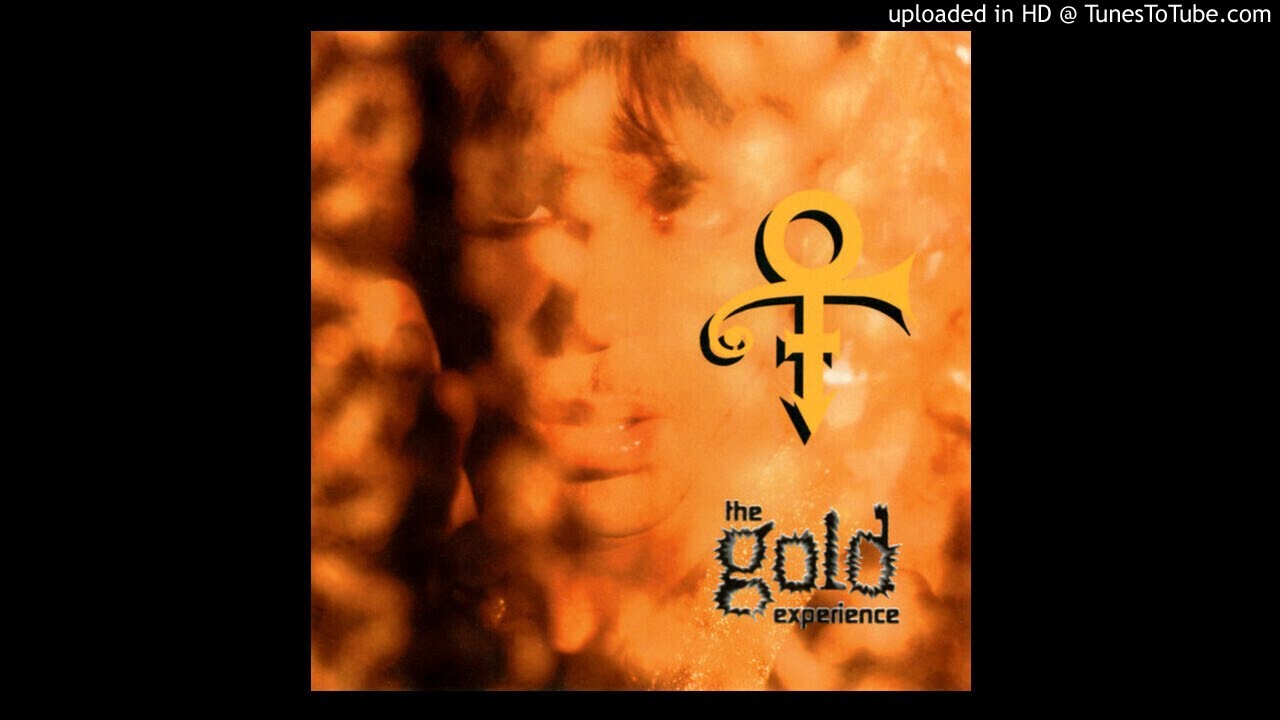
Amidst the ongoing discussions about his music, O(+> hints at the possibility of a new direction. If the controversy surrounding his name change were merely about a bonus jam session, it wouldn’t warrant the extensive coverage it has received. However, there is also a new, full-fledged studio album titled The Gold Experience in the works, which is reportedly a more intentional effort than Come, according to Michael Bland, who played drums on both albums. “I believe O(+> aimed to create strong songs that could become classics.”
Hearing O(+> and the New Power Generation perform tracks from The Gold Experience live, one can easily believe he has succeeded. Songs like Acknowledge Me and Days Of Wild are incredibly funky-some of the best material O(+> has produced under any name. Yet, according to Bland, The Gold Experience may never be officially released. O(+> is currently trying to distribute it independently, but his contract with Warner Bros. complicates matters.
“There’s no release date,” Bland states. “We’re uncertain about its future-except that it will eventually reach the fans. There’s a chance we might just give the album away. It’s about time we gave something back to our loyal supporters.”
Distribution via the much-discussed “data superhighway” is another option being considered. O(+> is reportedly quite interested in new technologies and has recently explored various digital platforms.
Exploring the Purple Realm: unveiling Prince’s Musical Genius, His Iconic Band, and the Studio Magic
Exploring the Purple Realm: Unveiling Prince’s Musical Genius, His Iconic Band, and the Studio Magic
The Musical Genius of Prince
Prince Rogers Nelson, known simply as Prince, was a musical prodigy whose influence transcended genres. His ability to blend rock, funk, pop, and R&B created a unique sound that captivated audiences worldwide. With a career spanning over four decades, Prince’s innovative approach to music production and performance set him apart as one of the most iconic artists in history.
Innovative Songwriting and Composition
Prince was not just a performer; he was a master songwriter. His songs frequently enough featured complex arrangements, intricate melodies, and thought-provoking lyrics. Here are some key aspects of his songwriting process:
Genre Fusion: Prince seamlessly blended various musical styles, creating a sound that was distinctly his own.
Personal Themes: Many of his lyrics explored themes of love, identity, and spirituality, resonating deeply with listeners.
Collaborative Spirit: He often collaborated with other artists, bringing fresh perspectives to his music.
His Iconic Band: The Revolution and Beyond
Prince’s live performances were legendary, thanks in large part to his talented backing bands. The Revolution, formed in the late 1970s, was one of his most famous ensembles, known for their dynamic stage presence and musical prowess.
The Revolution: A Game-Changer
The Revolution played a crucial role in shaping Prince’s sound during the 1980s. key members included:
Member
Instrument
Contribution
Wendy Melvoin
Guitar
co-writer of many hits, known for her powerful guitar solos.
Lisa Coleman
Keyboards
Provided harmonies and contributed to the band’s unique sound.
Bobby Z
Drums
Drummer who helped define the band’s energetic rhythm.
Evolution of His Bands
After The Revolution,Prince formed several other bands,including the New Power Generation (NPG),which continued to push musical boundaries. Each band brought a new flavor to his performances, showcasing his adaptability and vision as an artist.
The Studio Magic of Paisley Park
paisley Park, Prince’s private studio complex in Chanhassen, Minnesota, was the heart of his creative process. This state-of-the-art facility allowed him to experiment with sound and production techniques that were ahead of their time.
Features of Paisley Park
advanced Recording Technology: The studio was equipped with top-of-the-line recording equipment, including SSL consoles and vintage instruments.
Creative Habitat: The design of Paisley Park fostered creativity, with spaces dedicated to writing, recording, and rehearsing.
Collaboration Spaces: Multiple studios allowed for simultaneous projects,enabling Prince to work with various artists and producers.
Recording Process
Prince’s recording sessions were often spontaneous and collaborative. He would frequently invite his band members to join him in the studio, leading to the creation of some of his most iconic tracks. Here’s how his recording process typically unfolded:
Jam Sessions: Many songs began as jam sessions, where ideas flowed freely among musicians.
Immediate Recording: If inspiration struck, Prince would record the session on the spot, capturing the raw energy of the moment.
Layering sounds: He often layered multiple instruments and vocals, creating rich, complex soundscapes.
Benefits of Prince’s Approach to Music
Prince’s innovative methods and artistic vision offer valuable lessons for aspiring musicians and producers:
Embrace Creativity: Allow yourself to experiment and explore different musical styles.
collaborate: Work with other artists to gain new perspectives and ideas.
Stay Authentic: remain true to your artistic vision, even if it means breaking conventional norms.
First-Hand Experiences with Prince’s Music
Many musicians and fans have shared their experiences with Prince’s music, highlighting its profound impact:
“Listening to Prince’s music feels like a journey. Each song tells a story that resonates deeply.”
– A devoted fan
Case Studies: Iconic Tracks and Their Impact
Several of Prince’s songs have left an indelible mark on the music industry. Here are a few notable examples:
Song
Release Year
Impact
When Doves Cry
1984
Revolutionized the sound of pop music with its unique structure and lack of bass line.
Purple Rain
1984
Defined a generation and became an anthem for love and loss.
Kiss
1986
Blended funk and rock, showcasing Prince’s versatility and appeal across genres.
Join the Beatbounty Community
If you’re inspired by Prince’s musical journey and want to explore your own creative path,consider joining the Beatbounty platform. Create an account today and submit an ad to connect with fellow musicians and artists. Share your talent and collaborate with others who share your passion for music!