The Birth of the Fuzz Pedal: How Grady Martin, Nancy Sinatra, and Ann-Margret Shaped a Sonic Revolution
The origins of the fuzz pedal are legendary among guitar enthusiasts, and the tale begins on July 12, 1960. Country music icon Marty Robbins was in the studio recording “Don’t Worry” at the famed Bradley Film & Recording Studios in Nashville, affectionately known as the quonset Hut. Guitarist Grady Martin, a key player in the session, brought his Danelectro UB-2 six-string bass guitar along for the ride.
At the helm of the recording was engineer glenn Snoddy, who was operating a newly installed custom recording console equipped wiht Langevin 116 tube amplifiers.Uniquely, MartinS guitar was plugged directly into the console, bypassing the traditional amplifier setup.
When Snoddy played back the recording,the unexpected sound that emerged was akin to a swarm of bees buzzing. In a 2014 interview with the National Association of Music Merchants (NAMM), Snoddy explained that the peculiar sound was due to a malfunction in one of the board’s 35 output transformers.
“They miscalculated the windings, resulting in 250 volts passing through the transformer,” he recalled. “One transformer failed just as Grady was playing his solo,creating what we later termed a fuzz tone.”
To everyone’s astonishment, it was Martin who suggested they embrace this unique sound. “Grady proposed,’Why don’t we just use that on this record?’” Snoddy recounted in the 2010 book How Does it Sound Now? Legendary Engineers and Vintage Gear.
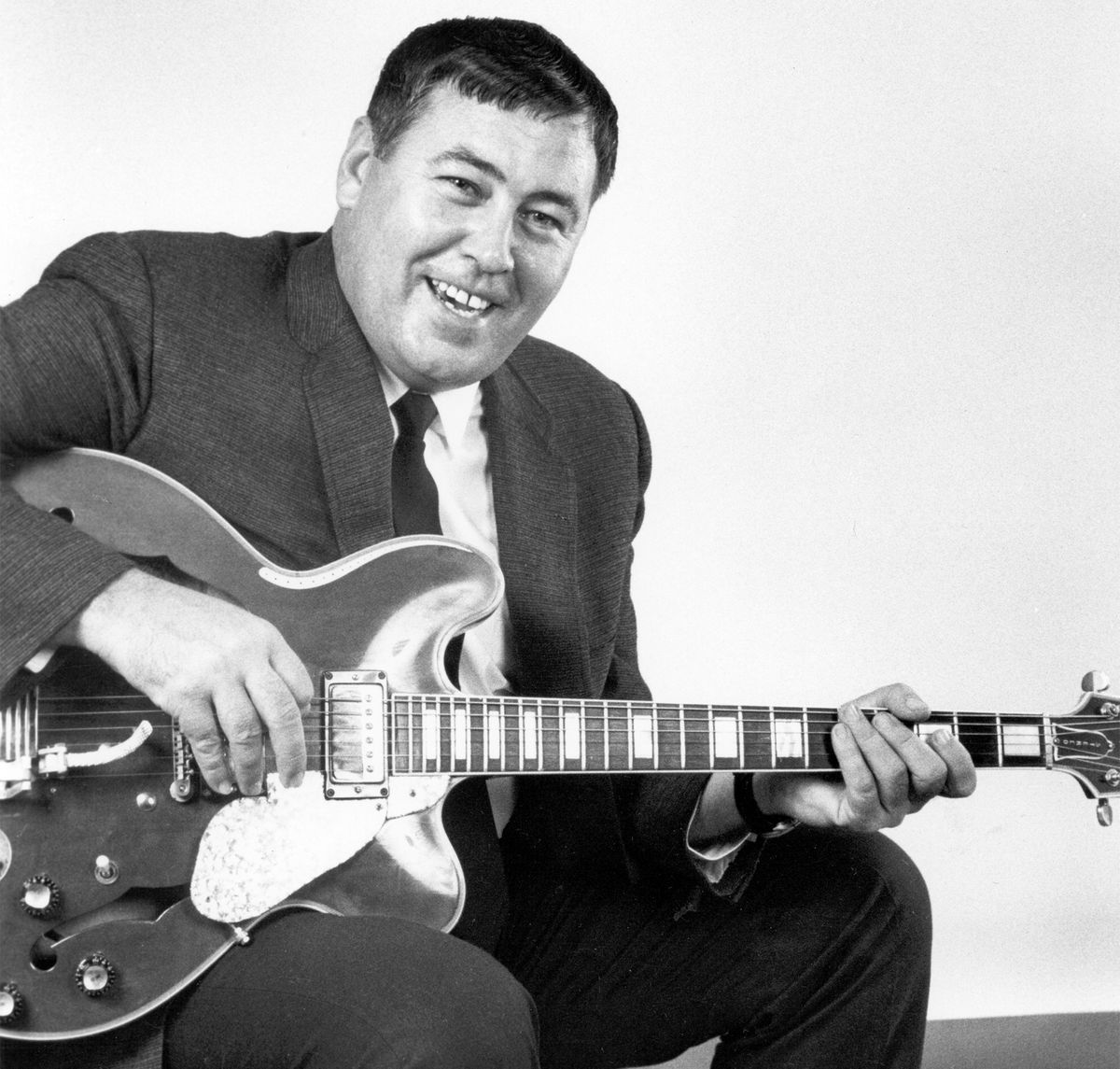
Martin’s suggestion proved fruitful.Released in February 1961, “Don’t Worry” became Robbins’ seventh number one hit on the country charts and even crossed over to the pop charts, peaking at number three.
However, by the time the song gained traction, Snoddy’s fuzz circuit had ceased to function, leaving artists clamoring for that distinctive sound. In response, Snoddy teamed up with engineer Revis Hobbs to recreate the fuzz effect in a pedal format. They designed a circuit using transistors to replicate the fuzz sound by clipping the signal and squaring off the waveform.
“I gathered some transistors,and we built a prototype,which we eventually sold to Gibson,” Snoddy recalled.
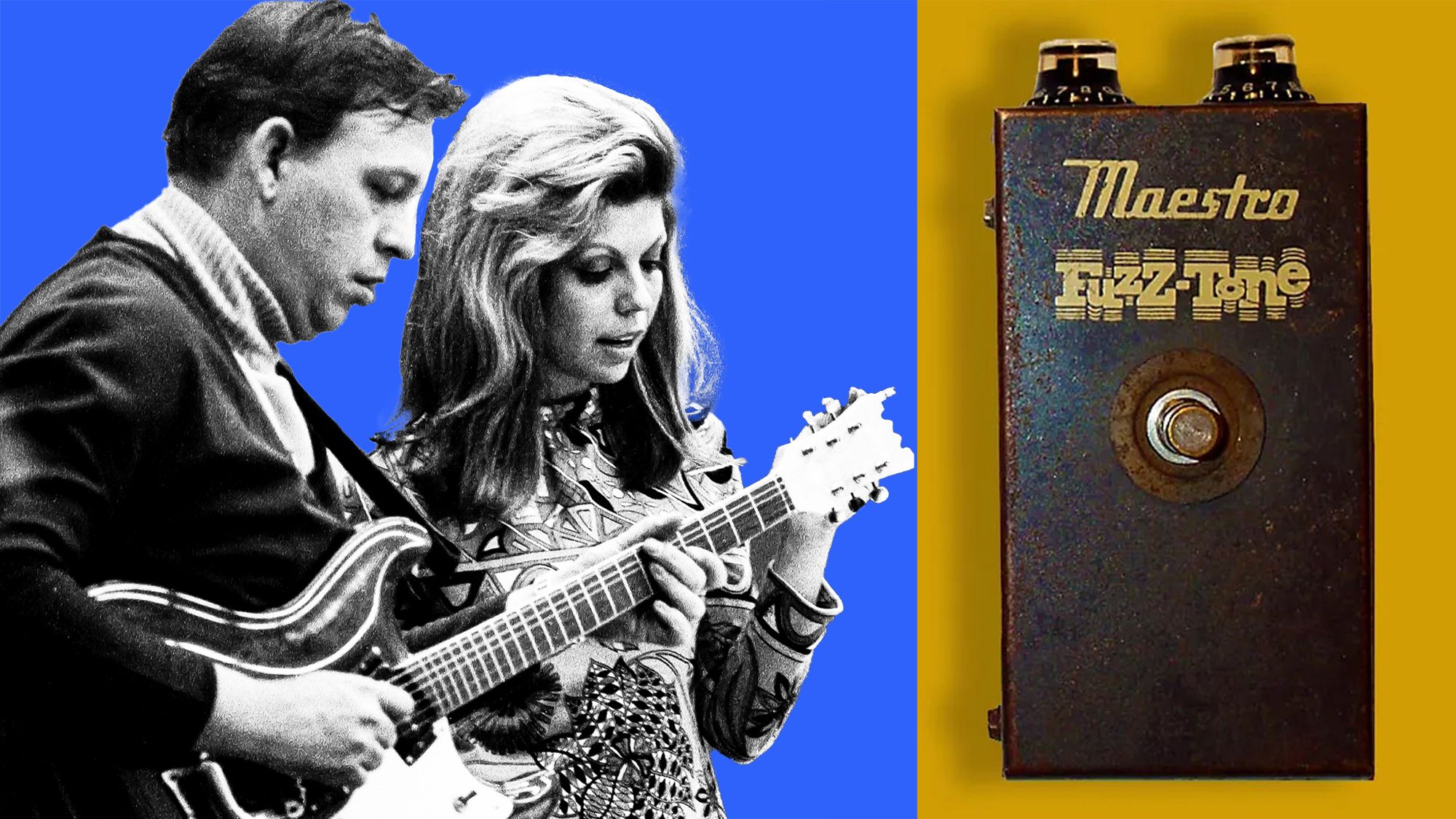
In 1962, Gibson launched the Maestro FZ-1 Fuzz-Tone.Initially, the pedal received a lukewarm reception, but it gained popularity in 1965 when Keith Richards used it to record the iconic riff for the Rolling Stones’ “(I Can’t Get no) Satisfaction.” Since then, the fuzz pedal has become a staple in the arsenal of electric guitarists.
“I gathered some transistors, and we built a prototype, which we eventually sold to Gibson.”
– Glenn Snoddy
Between the demise of Snoddy’s circuit and the introduction of the FZ-1, several artists played pivotal roles in keeping the fuzz effect alive, solidifying its status as an essential tool for guitarists.
Grady Martin: The Pioneer of Fuzz
Grady Martin, the guitarist behind that groundbreaking session, was no stranger to hit records. By 1961, he was already a prominent figure in Nashville, part of the A-Team of session musicians who shaped the sound of countless hits, including Marty robbins’ “El Paso.” Martin was so enamored with the fuzz sound that he recorded at least two more fuzz-infused tracks: “Tippin’ In” and “The Fuzz,” both released as a single shortly after “Don’t Worry.” While neither song became a hit, “The Fuzz” likely contributed to the effect’s name.
Martin’s use of the fuzz effect caught Snoddy’s attention, but sadly, the circuit was no longer operational by the time those tracks were released. What prompted Snoddy to recreate the effect in pedal form? He humorously noted that it was when nancy Sinatra sought to use the fuzz sound for her next record but was turned away due to the malfunctioning console.
“we had an artist, Nancy Sinatra, who wanted to come in and record,” Snoddy explained. “When she arrived,we had to inform her that the console responsible for that sound had quit,and we couldn’t accommodate her.” He chuckled,recalling how he told Quonset Hut owner Harold Bradley that he would try to create a new version.
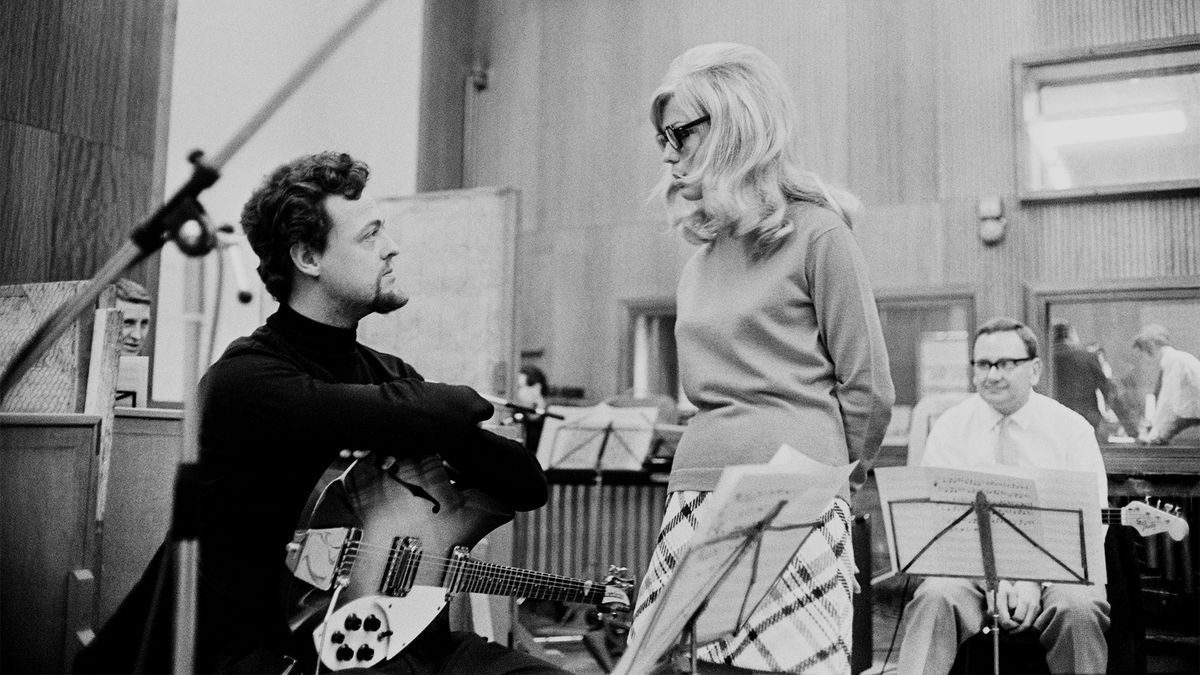
Nancy Sinatra: The Unexpected Influence
Could Nancy Sinatra be considered the mother of the fuzz pedal? It’s a stretch to think that the young singer was interested in Snoddy’s fuzz sound.In 1961, Sinatra was just beginning her career as a pop singer, known for her sweet love songs, not fuzz-laden guitar riffs. Her breakout hit, “These Boots Are Made for Walkin’,” wouldn’t come until four years later.
Moreover, Sinatra was recording for her father’s label, Reprise, based in Los Angeles. Frank Sinatra had recorded his own tracks at United recorders in L.A. Why would Nancy choose to record in Nashville? And would a gritty guitar sound align with the image she was cultivating at the time?
Irrespective, Snoddy’s account stands, as Sinatra had the freedom to record wherever she wished. Though, it wasn’t until 1967 that she recorded a song featuring fuzz guitar, with “You Only Live Twice,” the theme for the james Bond film.
Ann-Margret: The Fuzz effect in Action
Another emerging artist who embraced the fuzz effect in 1961 was Ann-Margret. At just 20 years old, she was on the rise as a singer and actress when she released her first single for RCA Victor, the poignant “Lost Love.” Shortly after, she followed it up with the fuzz-heavy track “I Just Don’t Understand.”
Recorded at RCA Victor Studio B in Nashville on May 9,1961,and produced by Chet Atkins,”I Just Don’t Understand” featured Billy Strange on electric fuzz guitar. Strange achieved his distinctive tone by overdriving the input preamp on the recording console.
The song became a hit for Ann-Margret, reaching number 17 on the Billboard Hot 100 chart in 1961, further embedding fuzz guitar into the American musical landscape.
It’s unlikely that snoddy confused Ann-Margret with Nancy Sinatra, as the former was an RCA Victor artist unlikely to record at the Quonset Hut, which primarily served Decca, MGM, and Columbia artists.
Ann-Margret’s success illustrates the growing popularity of fuzz in 1961, even before the Fuzz-Tone was developed. Had Snoddy not created a pedal version, someone else likely would have.
The Legacy of Grady Martin and Fuzz
Grady Martin continued to utilize the fuzz effect long after Snoddy’s circuit had faded. In February 1962, he recorded two fuzz-infused tracks, “Twist and Turn” and “Good Good Good,” released in April 1962. He also used the effect on “ramblin’ Rose” and “Big Bad Guitar,” both featured on the 1963 album that Good Grady, recorded with the Slewfoot Five.
These recordings would later be reissued with vocal overdubs under the name Beauregard and the Tuffs. Notably, the raucous rendition of “Ramblin’ Rose” likely inspired the MC5’s version from their 1969 album Kick Out the Jams, which played a significant role in the garage rock movement that ultimately birthed punk.
While the specifics of how Martin achieved his fuzz sound after Snoddy’s circuit was gone remain a mystery,it’s plausible that he utilized the FZ-1 pedal.
the fuzz pedal’s journey from a studio accident to a cornerstone of electric guitar sound is a testament to the creativity and adaptability of musicians like Grady Martin, Nancy Sinatra, and Ann-Margret.Their contributions helped shape a sound that continues to resonate in music today.