Beatbounty

Unveiling the Magic: The Tale of George Harrison's Iconic Rosewood Telecaster

  • 0 reactions
  • 1 hour ago
  • Beatbounty

The legacy of george Harrison’s Rosewood Telecaster: A Journey Thru Time

What becomes of legendary guitars​ when their famous owners pass away? In today’s world, it’s not uncommon for these instruments to be auctioned off at prestigious events, disappearing into the hands of wealthy collectors.⁤ Yet, some guitars find ‌a different fate, residing in museums, safeguarded​ as family treasures, or passed on to fellow musicians, continuing their legacy.

In this article, we delve into​ the‌ stories of five⁣ iconic Telecasters-one of ‌which is an Esquire-played by beloved guitarists who have ​left us.Our exploration‍ begins with George Harrison’s renowned 1968 Fender ⁣Rosewood Telecaster Prototype.

the ⁢Rise of Electric ⁣Guitars in the 1960s

The mid-1960s saw a​ surge in electric guitar sales, coinciding with the explosion of Beatlemania in the United States. Despite this, American guitar manufacturers were initially hesitant to‌ partner with the Beatles, even as the guitars they played ​became instant symbols of desirability. Brands like Gibson, ⁤Gretsch, and Rickenbacker, along ​with Epiphone and ⁤Fender, saw‌ their instruments gain iconic status,‍ yet the companies were ​slow to capitalize on the phenomenon.

Rickenbacker made an early attempt to engage with⁢ the Beatles by gifting George Harrison a prototype of the 360/12 electric 12-string guitar, which quickly became a hit. However, this relationship did not develop further.

Changing Attitudes ​in the Late 1960s

As the 1960s progressed, the gap between the marketing strategies of American guitar companies and the emerging rock scene began to ​close. In July 1968,Fender’s⁤ sales director,Don Randall,met ⁢with Paul ​McCartney and John Lennon at Apple corps,aiming to secure ‌an endorsement deal with the Beatles.

As a gesture of goodwill, Randall presented​ the band with several Fender products, including Bassman and Twin Reverb amplifiers, a Jazz Bass,‍ a Bass VI, a Rhodes electric piano, and a Fender PA system. Although Lennon and McCartney appreciated the gesture, they remained ⁢hesitant. To entice them further, Randall‌ offered George‌ Harrison a unique prototype:​ the Rosewood Telecaster, which Fender was preparing to launch.

The creation⁢ of the Rosewood⁢ Telecaster

Harrison’s ⁢Rosewood ‍Telecaster ‍weighed over ​10 pounds.

fender’s designers, Philip ‌Kubicki and roger Rossmeisl, crafted two prototypes of the Rosewood telecaster and Stratocaster models, selecting the finest examples for Harrison and Jimi Hendrix, respectively (Hendrix passed away before he could​ receive his Rosewood Strat).

Interestingly, Rossmeisl ⁣had previously collaborated⁤ with the Beatles, having designed the body shapes for the Rickenbacker 325 and 360/12 guitars, as well as the 4001 ​bass ‌played ⁢by Lennon, Harrison, and McCartney.

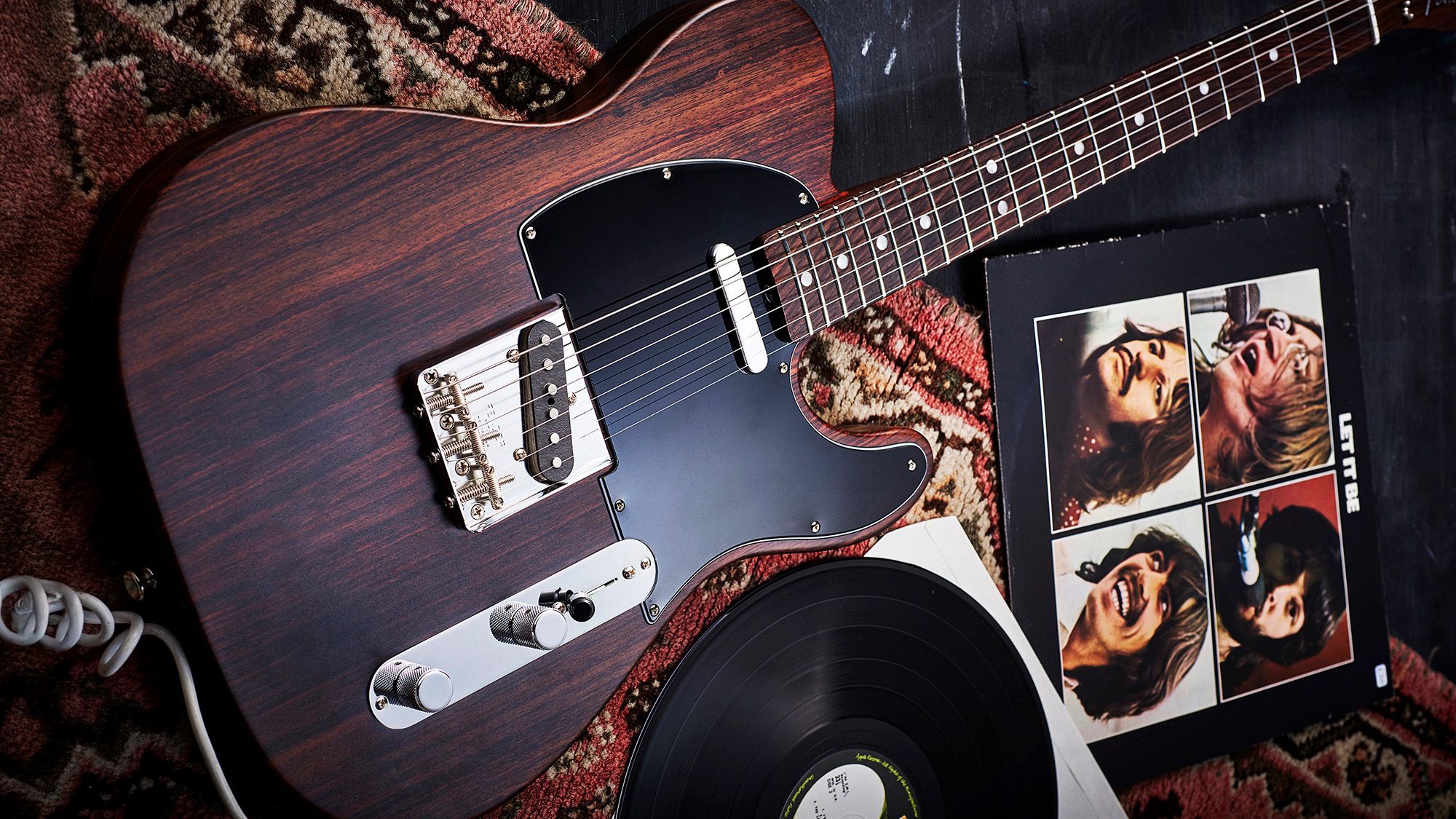
The Rosewood Telecaster maintained the classic Telecaster⁢ design, with the exception⁢ of its⁢ two-piece rosewood ⁤neck and body, which consisted of two slabs of Indian rosewood with carved chambers​ and a thin maple core. It featured the‍ standard two single-coil ​pickups, a‌ three-way blade selector switch, and master volume and tone ‌knobs.

Harrison’s Connection to the Rosewood Telecaster

Fender likely intended to⁤ leverage the upcoming film ⁢to promote the Rosewood Telecaster, but they released the model prematurely in 1969, well ahead of the film’s May 1970 release. The initial public response was lukewarm, ⁤largely due to its hefty price ‌tag of $375.

By the time ⁣ Let‍ It ⁢Be premiered, dealers had lost interest in stocking the model, despite ‍a few keen Beatles fans seeking the distinctive Telecaster they⁢ had seen Harrison ⁤play. ⁢The ‍Rosewood Telecaster appeared sporadically in Fender catalogs and dealer ‌price lists until ​1972, ⁣when the remaining stock was finally sold.

harrison himself lost interest in the Rosewood Telecaster before the film’s release. In December 1969, he gifted ‌the​ guitar to Delaney⁤ bramlett while​ briefly touring with Delaney & Bonnie. bramlett‍ frequently used the guitar on stage throughout⁣ the⁤ 1970s and beyond.

Notably, he ​even lent it to jerry Garcia in 1970 when the ⁣Grateful Dead guitarist joined ‍Delaney & bonnie for ​a jam session during their tour. Over ‌time,Bramlett made ‌several modifications to ​the guitar,including routing the body⁣ for ⁢a humbucking pickup in the neck position and sanding the finish off the back of the neck.

Fender's⁢ newly re-introduced George Harrison Rosewood Telecaster

(Image credit: Fender)

The Guitar’s⁢ Return to the Harrison Family

In 2003,​ Bramlett sold ⁢the Rosewood Telecaster at Odyssey Auctions in hollywood, where it fetched an ⁣notable $434,750, purchased by actor Ed Begley Jr. Interestingly,⁤ Begley was reportedly meant to act as a decoy for⁢ the actual buyer, who turned out to be ‍Harrison’s widow, Olivia.

News of the guitar’s return to the Harrison family quickly⁣ spread, and it remains with them today, often seen in the hands of George and Olivia’s son, Dhani.

Unveiling the Magic: The Tale​ of ⁤George Harrison’s​ Iconic Rosewood Telecaster

Unveiling the Magic: The Tale of George Harrison’s Iconic ⁣Rosewood Telecaster

the Birth of an Icon

George Harrison’s Rosewood Telecaster is not just ⁢a guitar; it is a ⁤symbol of musical innovation and creativity.‍ Crafted in 1968, this unique instrument ​was designed by Fender specifically for Harrison, who was ⁣looking for a guitar that matched his artistic vision. The‌ Rosewood Telecaster features a stunning​ two-piece rosewood body and neck, making it visually striking‌ and sonically rich.

Specifications of the ⁤rosewood Telecaster

Feature Details
Model Fender Rosewood Telecaster Prototype
Year of​ Manufacture 1968
Body Material Indian Rosewood
Neck​ Material Rosewood
Weight Over ‍10 lbs
Pickups Two ‍Single-Coil
Color natural Brown

The Significance of the Rosewood Telecaster

This guitar is meaningful not only for its unique design but also for its role in⁤ some of the most iconic moments in music history. Harrison ‌used the Rosewood Telecaster during the Beatles’ ⁤ Get back sessions and their final​ live performance on the rooftop of apple Corps in january 1969. The guitar’s sound can​ be heard on​ several classic⁣ Beatles tracks,including:

  • Don’t Let Me down
  • Get Back
  • I’ve Got ​a ‍Feeling
  • Let It Be (single​ version)
  • The end

Craftsmanship and Design

The craftsmanship⁤ of the rosewood Telecaster is a testament to Fender’s dedication‌ to ‌quality. The guitar’s body ⁣is constructed from two slabs of⁣ Indian rosewood, which not ⁤only enhances its aesthetic appeal but also contributes to its warm, resonant tone. the​ choice of⁣ a ‍black pickguard over the customary white ⁤was made to complement the deep hues⁣ of the rosewood.

innovative Features

Some of the innovative features of the Rosewood Telecaster include:

  • Chambered body design to reduce weight
  • Standard Telecaster⁣ features such as a three-way selector switch and master⁤ volume ⁤and tone ‌controls
  • Unique tonal qualities due ​to the ⁣rosewood construction

Ancient Context and impact

The late 1960s was a transformative period for music,and the Rosewood Telecaster played a⁤ pivotal ⁣role in this evolution. As⁣ the‌ Beatles were⁤ at the forefront of the ⁣cultural ⁣revolution, Harrison’s ​choice of guitar reflected the changing ⁤landscape of rock music. The⁣ Rosewood Telecaster became a symbol ⁢of‍ artistic expression,influencing countless musicians who followed.

Case Studies:​ The Rosewood Telecaster in Action

Several notable ‌performances highlight the Rosewood Telecaster’s impact:

  • Rooftop Concert (1969): The final live performance of‍ The Beatles, where Harrison showcased the guitar’s ⁣powerful‍ sound.
  • Abbey Road Sessions: the guitar ‌was a key instrument during the‍ recording of the iconic​ Abbey Road album.

Practical Tips for Guitarists

If you’re inspired by George Harrison’s Rosewood Telecaster,here are some practical tips ‌for‍ guitarists looking to emulate its sound:

  • Experiment with Pickup Settings: use the neck pickup for a warmer tone and the bridge pickup‌ for a brighter sound.
  • Utilize Effects: incorporate effects like reverb and delay to enhance your sound.
  • Focus on Technique: Harrison’s fingerpicking style contributed to‌ the unique sound of the Rosewood Telecaster; practice⁣ this technique to capture⁤ its essence.

Frist-Hand Experience: Musicians Share Their Thoughts

many musicians who ⁤have had the possibility to play the Rosewood Telecaster share their experiences:

“Playing the Rosewood Telecaster is like holding a piece of music history. ⁣The sound is rich and full,and it ‍inspires ​creativity.” – Famous Guitarist

The Legacy Continues

After George ​Harrison’s passing, the ‍Rosewood Telecaster continued to make waves in the music ⁢world. It‌ was gifted to delaney Bramlett, who​ played it extensively and even lent ⁤it to Jerry Garcia ⁢during a⁤ jam session. The ‍guitar eventually returned to the Harrison family, where‌ it remains a cherished artifact.

Join the Beatbounty​ Community

If you’re passionate about music and want to connect‍ with fellow musicians, consider ⁤creating an account at Beatbounty. You can submit‌ ads, share your experiences, and engage with‍ a vibrant community of music​ lovers.

Become a valued member of Beatbounty platform

Start selling and connect with fellow musicians –  LOGIN or REGISTER!

Tune Into the Conversation!

Your thoughts matter! Leave a comment and strike up a dialogue with fellow readers.

Created by c-web. ©2024 All rights reserved.