shane Fontayne: The Guitarist Who Stepped into Bruce Springsteen’s New Era
In a twist of fate, the very song that catapulted Bruce Springsteen from rock icon to global superstar reveals the underlying restlessness that prompted him to shift his artistic direction at the peak of his fame. The lyrics of Dancing in the Dark—“I get up in the evenin’/And I ain’t got nothin’ to say” and “Man, I’m just tired and bored with myself”—capture this sentiment perfectly, serving as the lead track from his monumental 1984 album, Born in the U.S.A.
Fast forward three years, and Springsteen took a significant turn with the introspective album Tunnel of Love, which stripped away the commercial sheen of its predecessor. This period marked a pivotal moment as he disbanded the E Street Band, the eclectic group that had long been synonymous with his sound.
A New Chapter Begins
After a brief hiatus from touring, Springsteen was eager to hit the road again by the early ’90s. Though, he was not interested in reuniting with the E Street Band. Instead, he sought to assemble a fresh backing ensemble.
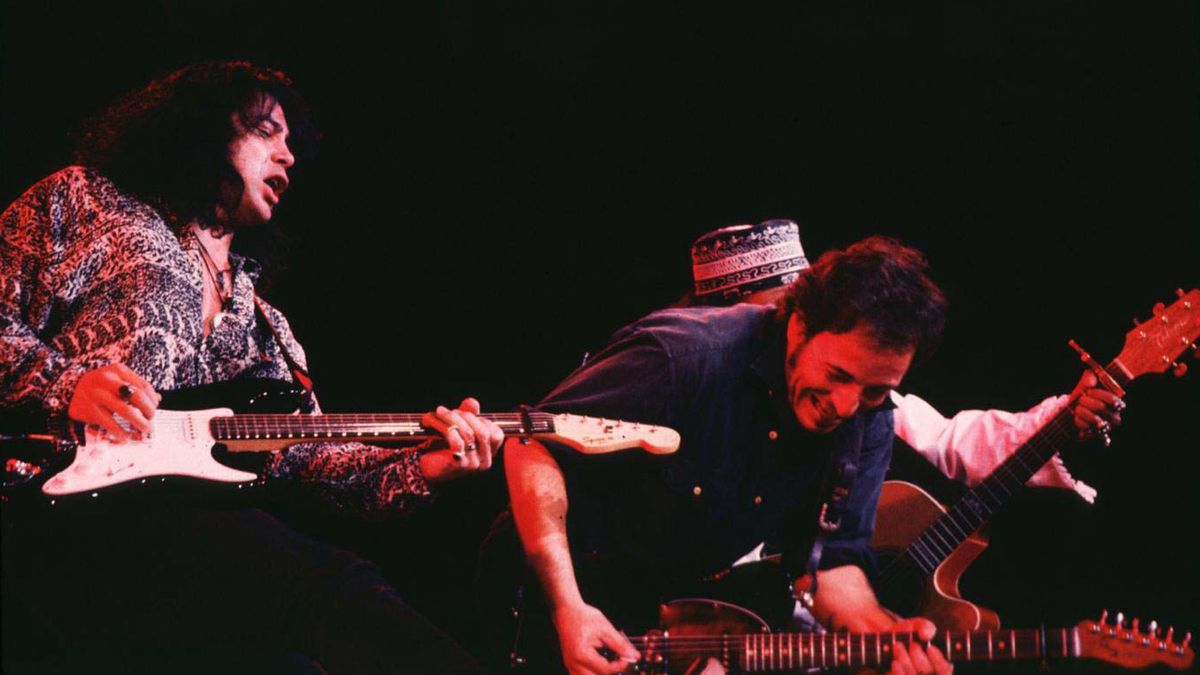
Enter Shane Fontayne, a talented guitarist from England with extensive experience, having previously played with the band Lone Justice and served as a guitarist alongside Rolling Stones legend Mick Taylor. Springsteen had witnessed Fontayne’s performance with lone Justice on Saturday Night Live years earlier and was impressed enough to reach out when it was time to form a new band.
The Audition Experience
In a recent interview with Guitar World, Fontayne recounted the audition process that followed. “I had a pedalboard that I was using in stereo, which I believe is now in Bruce’s locker,” he shared. “I remember bringing my Gretsch tennessean and asking for a couple of amplifiers.”
Upon arriving for the audition, Fontayne was reassured by Springsteen’s team, who told him, “don’t worry; he’ll make you feel at ease.” If he secured the position,fontayne would be stepping into the shoes of Springsteen’s long-time guitarists,Stevie Van Zandt and Nils Lofgren—a daunting task,but one that didn’t intimidate him.
“I was thrilled, but not overly anxious. We started playing something in the key of E, which is fantastic for guitar,” Fontayne recalled. “It was one of those magical moments where sparks were flying.”
“I can’t recall how long we jammed—maybe five minutes or twenty—but after a break, Bruce said, ‘Man, you’ve got a lot of twang.’ I asked, ‘Is that too much?’ and he replied, ‘Ah, you know…’ It was a vibe; I’m not a technical player, but I trust my instincts and respond to the music.”
What initially seemed like a vague comment turned out to be a compliment. “I was just reacting to the energy in the room, and it resonated with him. Later, he mentioned, ‘With some of the stuff you’re playing, I wish I’d had you on the album,’” Fontayne explained to Guitar World.
“His music is very accommodating for a player like me; it’s not overly complex, which allowed me to fit in seamlessly.”
A Lasting Impression
Although Springsteen eventually reformed the E Street Band in 1999, he held Fontayne in high regard, inviting him for studio sessions shortly after their tour. These sessions reportedly yielded enough material for an entire album,though much of it remains unreleased.
“Whenever I see him, he mentions that he might still release those recordings—he wants to get those sessions out into the world,” Fontayne said.
Stay tuned to Guitar World for the complete interview with shane Fontayne in the upcoming weeks.
From Twang to Triumph: Shane fontayne Steps into the Spotlight After Bruce Springsteen’s E Street Band
The Journey Begins: shane Fontayne’s Musical Roots
Shane Fontayne, an english-born guitarist, has made significant strides in the music industry, particularly after his association with Bruce Springsteen’s E street Band. With a rich background in music, Fontayne’s journey is a testament to talent, perseverance, and the transformative power of rock and roll.
Early Life and Influences
Born in the UK, Fontayne was influenced by a variety of musical genres from a young age.His early exposure to rock, blues, and folk music shaped his unique sound. He began playing guitar at the age of 12, quickly developing a passion for the instrument that would define his career.
Career Milestones Before Springsteen
- Lone Justice: Fontayne gained recognition as a guitarist for the band Lone Justice, known for their blend of rock and country.
- Collaboration with Mick Taylor: He toured with Rolling Stones guitarist Mick Taylor, further honing his skills and gaining invaluable experience.
- Television Appearances: Fontayne’s performance on Saturday Night Live caught the attention of Bruce Springsteen, setting the stage for his future.
Auditioning for Bruce Springsteen
In the early ’90s, after a brief hiatus from the music scene, Bruce Springsteen sought to form a new band. He remembered Fontayne from Lone Justice and reached out to him for an audition. This moment marked a turning point in Fontayne’s career.
The Audition Experience
Fontayne recalls the audition vividly. He arrived with his pedalboard and Gretsch Tennessean guitar, ready to impress. Springsteen’s team reassured him, saying, “Don’t worry; he’ll make you feel at ease.”
During the audition, they jammed in the key of E, a favorite for guitarists. Fontayne described the experience as electric, stating, “It was one of those magical moments where sparks were flying.”
First Impressions and Feedback
After their session, Springsteen commented on Fontayne’s unique sound, saying, “Man, you’ve got a lot of twang.” This feedback, initially perceived as vague, turned out to be a compliment that highlighted Fontayne’s instinctual playing style.
Contributions to Springsteen’s Music
Once Fontayne joined Springsteen’s band, he quickly became an integral part of the sound. His guitar work added a fresh dimension to Springsteen’s music, blending seamlessly with the established E Street Band style.
Musical Style and Technique
Fontayne’s playing is characterized by a mix of twangy riffs and soulful melodies.his ability to adapt to various musical styles made him a versatile asset to Springsteen’s evolving sound. Key elements of his style include:
- Dynamic Riffs: Fontayne’s guitar riffs often serve as the backbone of many songs, providing both rhythm and melody.
- Emotional Expression: His playing conveys deep emotion, resonating with audiences and enhancing the lyrical content of springsteen’s music.
- Improvisational Skills: Fontayne’s ability to improvise during live performances adds an element of spontaneity that keeps fans engaged.
Impact on Rock Music
Fontayne’s contributions to rock music extend beyond his work with Springsteen. His unique sound and style have influenced a new generation of guitarists. Here are some notable impacts:
Inspiring Future Generations
fontayne’s journey serves as an inspiration for aspiring musicians. His story emphasizes the importance of perseverance, adaptability, and staying true to one’s musical roots.
Collaborations and Projects
After his time with Springsteen, Fontayne continued to collaborate with various artists, contributing his guitar skills to numerous projects. His versatility has allowed him to work across genres, further solidifying his reputation in the music industry.
Benefits of Collaborating with Established Artists
Working with renowned musicians like Bruce Springsteen offers several advantages for emerging artists:
- Exposure: Collaborating with established artists can significantly increase visibility and open doors to new opportunities.
- Skill Development: Learning from experienced musicians helps in honing one’s craft and expanding musical horizons.
- Networking: Building relationships within the industry can lead to future collaborations and projects.
Case Study: Shane Fontayne’s Influence on Springsteen’s Sound
| Album |
Key Contributions |
Impact on Sound |
| Tunnel of Love |
Guitar solos and riffs |
Introduced a more introspective sound |
| Human Touch |
Melodic embellishments |
Enhanced emotional depth |
| Lucky Town |
Dynamic guitar work |
Blended rock with a fresh perspective |
First-Hand Experience: Fontayne’s Reflections
In interviews, Fontayne often reflects on his time with Springsteen, emphasizing the collaborative spirit of the band. He notes, “Every performance was a unique experience, and I learned something new every time we played together.”
Join the Beatbounty Community
If you’re passionate about music and want to connect with like-minded individuals, consider creating an account on the Beatbounty platform. Share your experiences, submit ads, and engage with a vibrant community of music enthusiasts.
Shane Fontayne’s journey from twang to triumph is a remarkable story of talent, resilience, and the power of music. His contributions to rock music continue to inspire both fans and aspiring musicians alike.