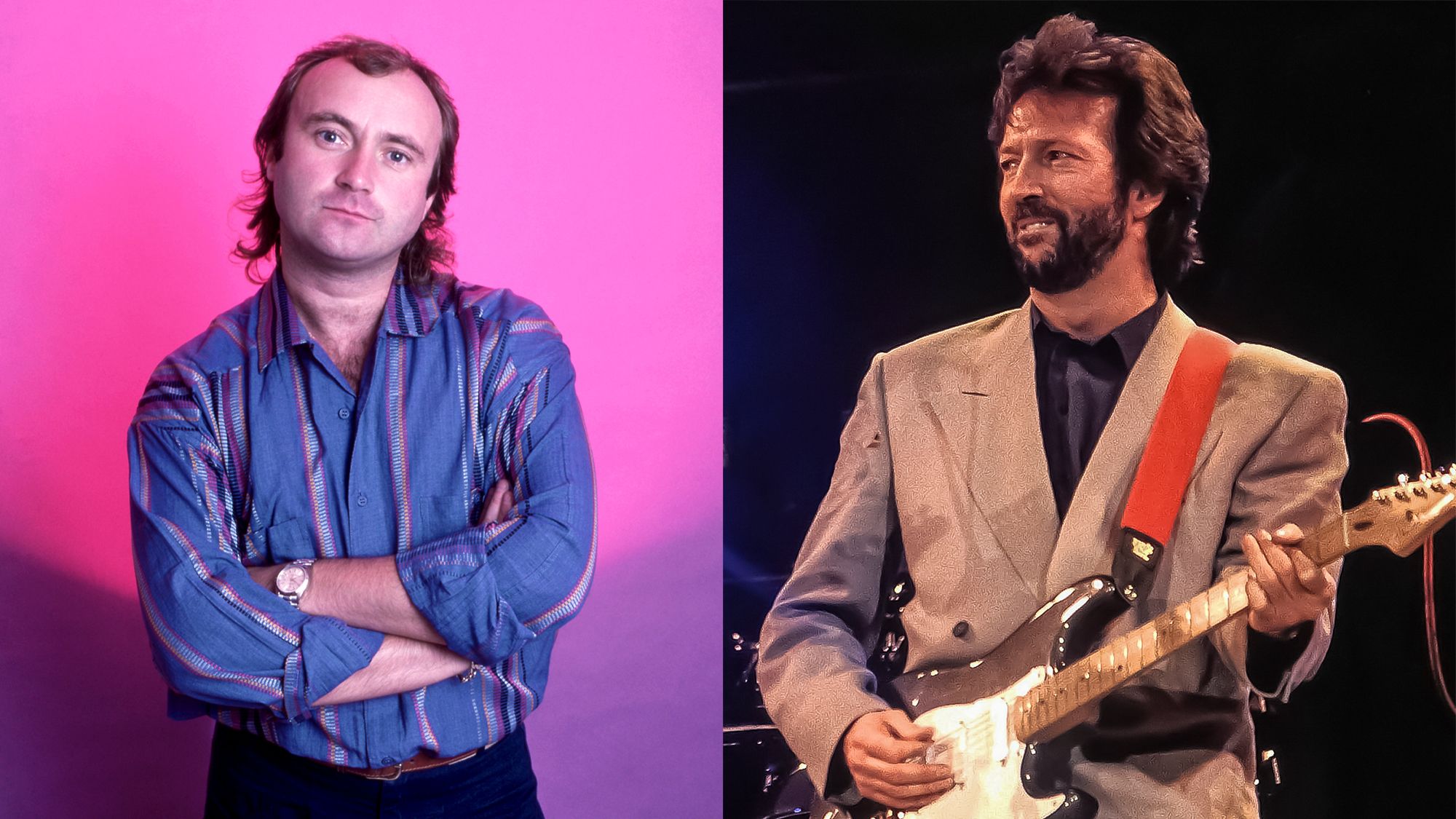
Phil Collins: The Catalyst Behind Eric clapton’s Career Revival
In 1985, when Eric Clapton approached Phil Collins to produce his album Behind the Sun, he wasn’t seeking a complete transformation. Clapton had already collaborated with iconic producers and shared the stage with legends like John Mayall,Derek and the Dominos,Cream,and Blind Faith,solidifying his status as one of rock’s premier guitarists.
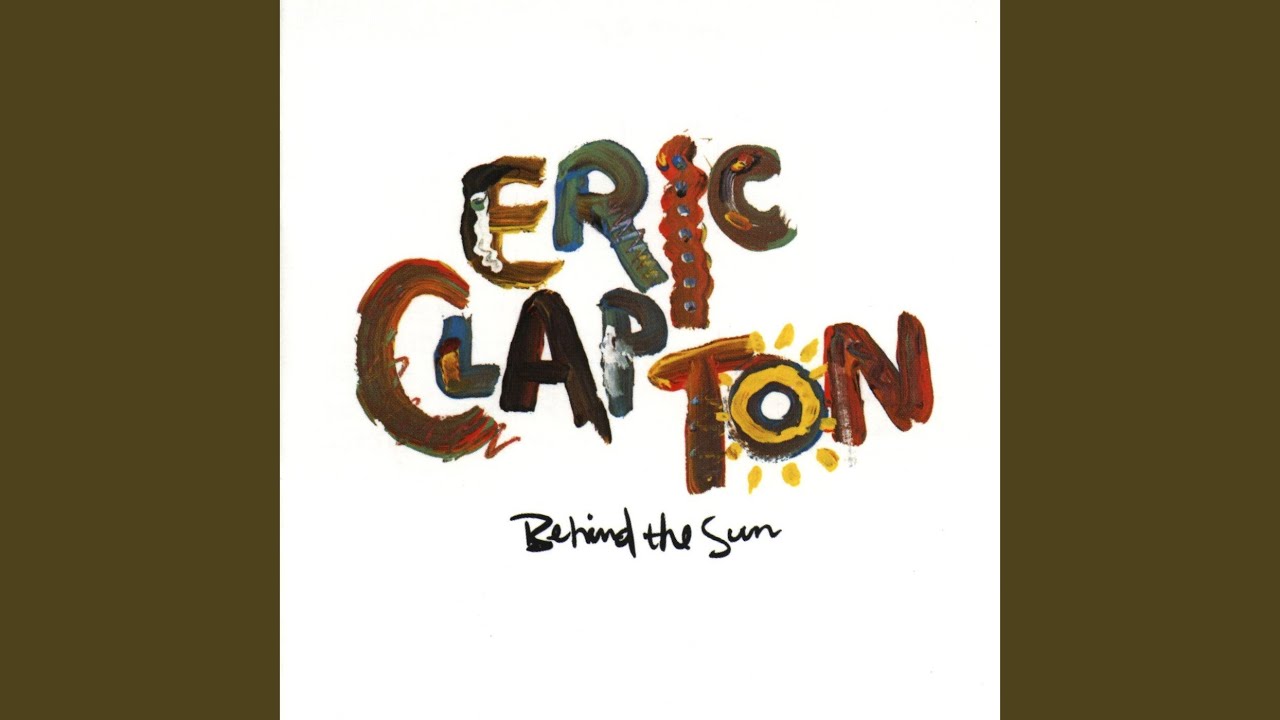
Behind the Sun would prove to be a pivotal moment in Clapton’s journey. Following a lull in commercial success during the early 1980s, this album marked the start of a resurgence in his mainstream appeal. The hit single “Forever Man” played a crucial role in re-establishing Clapton’s connection with a broader audience, paving the way for his comeback later in the decade.
Collins’ Insightful Approach
Collins recognized a vital truth: his role was not to dictate Clapton’s guitar style or impose his own artistic vision on such a distinctive musician. Rather, he aimed to identify what was lacking in Clapton’s sound and help restore it.
Reflecting on their collaboration years later, Collins recalled listening to Clapton’s previous work, Money and Cigarettes, and sensing a disconnect. While the guitar work was unmistakably Clapton, Collins felt that the artist had stopped challenging himself creatively.
“Money and Cigarettes felt a bit uninspired,” Collins shared with Rock and Roll Garage. “He seemed to be on autopilot. I pushed him out of that rut and encouraged him to start writing again.”
Embracing Home Recording
During this era, home recording was revolutionizing the music industry, and Collins was a strong proponent of this shift.He urged Clapton to set up basic recording equipment at home to capture fleeting musical ideas before they vanished. although clapton never fully embraced home recording as Collins had hoped, he did keep a cassette recorder nearby, allowing him to gather song ideas and melodies that would eventually form the backbone of Behind the Sun.
“Working with Phil was fantastic as he’s a true fan,” Clapton remarked in an interview with Guitar Player in July 1985.
Building Trust Thru Enthusiasm
Collins’ approach to Clapton’s guitar work was equally instinctive. While many producers gain an artist’s trust by pinpointing areas for advancement, Collins earned it through his genuine enthusiasm and decisiveness.
Whenever Clapton would play a solo and ask for Collins’ opinion, the response was consistently enthusiastic: “It’s dynamite, man! Dynamite!” Clapton would often shake his head, thinking, “No, it isn’t.” This playful exchange highlighted a deeper truth: “I felt like I could play anything, and he’d love it,” Clapton admitted. “That’s invaluable from a producer.”
Rather than flattering Clapton, Collins aimed to quiet his inner critic and help him regain his confidence. This strategy proved effective; instead of obsessing over a single ”perfect” solo, Clapton began to experiment with multiple takes for Collins to choose from.
“I’d lay down three or four solos on a track and say, ‘You pick the best one,’” he explained to Guitar Player.
Clapton acknowledged that after hearing the same solo repeatedly, he would lose the ability to judge it objectively. In contrast, Collins thrived on the meticulous process of listening, comparing, and assembling the best moments from various takes. For instance, on the track ”just Like a Prisoner,” Collins edited Clapton’s solo from a longer performance, selecting the segments that best suited the song rather than insisting on a flawless take.

A Unique Production Style
Collins’ production style is often underestimated.While he is widely recognized as a drummer, songwriter, and frontman, he approached the studio not as a taskmaster but as a curator, believing that the best performances were often already present if one listened closely enough.
One of Collins’ fondest memories occurred after the album was thought to be complete. Clapton called to share that he had written one more song: “Behind the Sun.” Instead of heading back to a commercial studio, Clapton arrived at Collins’ home with just an acoustic guitar. Collins later found it amusing that he was tasked with recording Clapton’s guitar without the seasoned engineers he typically relied on. For a producer with years of experience behind the drum kit, this was both thrilling and slightly daunting.
The song they recorded that day became the title track of the album.
Recognition and Legacy
Perhaps the most telling sign of Collins’ prosperous approach came not years later in an autobiography or retrospective interview, but while the album was still fresh. When asked to rank the producers he had worked with,Clapton first mentioned the legendary Tom Dowd,then quickly added,”Phil is a different kettle of fish. I love him, and he’s a great musician too, so he brings a unique viewpoint.”
He then offered a compliment that few producers ever receive: “If I could get the two of them to produce a record together,” he chuckled, “that would be my dream.”
For a guitarist who had collaborated with some of the most esteemed producers over the past two decades, this was high praise.It also underscored Collins’ understanding of production: it wasn’t about imposing one’s personality on another artist but rather creating an environment where they could fully express themselves.

Ironically, the only skeptics were the executives at Warner Bros.After hearing the completed album, they felt it lacked commercially viable singles. Clapton returned to the studio with Ted templeman and Lenny Waronker to record additional tracks, including “Forever Man,” before Behind the Sun was officially released.
This episode can be seen as a dismissal of Collins’ contributions, but it actually reflects the priorities of mid-1980s record labels more than it does the quality of the album they had created together. While the label sought bigger hits, Clapton had just collaborated with one of his ideal producers.
Nearly four decades later, the narrative remains clear: Phil Collins never taught Eric Clapton how to play guitar; he simply reminded one of rock’s greatest guitarists that he already possessed the skills within him.