The Unseen Legacy of Leo Lyons: A journey Through Ten Years After
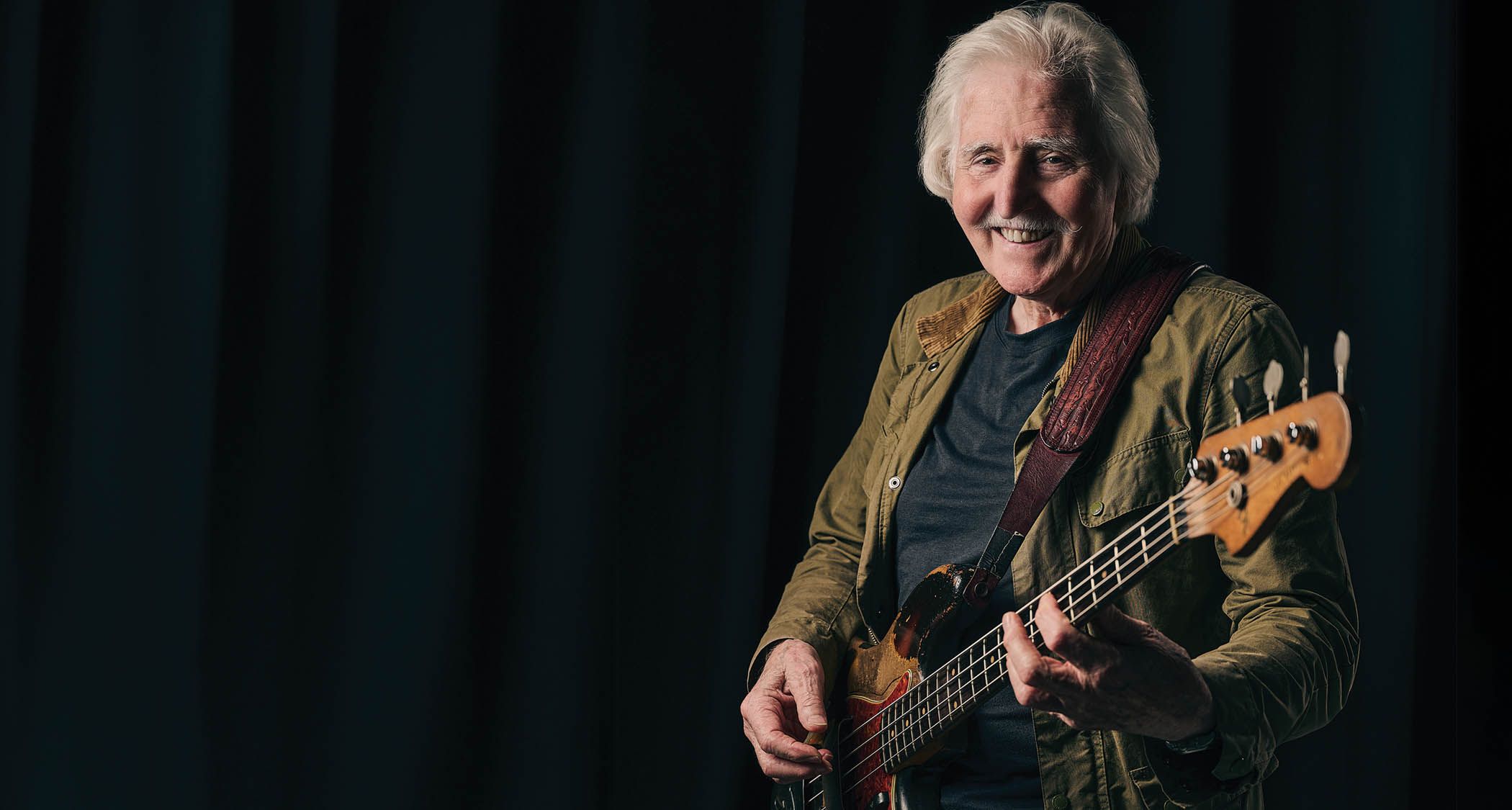
Is there a more humble figure in rock than Leo Lyons? In a world often dominated by loud personalities,the 82-year-old bassist prefers to let his remarkable career speak for itself. And what a career it has been.
Teaming up with guitarist Alvin Lee-known as ’Captain Speed Fingers’ for good reason-at the start of the 1960s,Lyons helped transport British blues across the Atlantic with Ten Years After. Their explosive performance of I’m Going Home at Woodstock remains one of the festival’s most unforgettable highlights.
While Woodstock solidified Lyons’ reputation, it is merely one chapter in the life of a man often referred to as ‘the rock ‘n’ roll Forrest Gump’ due to his serendipitous encounters throughout his career.
Today, the bassist shares his amazing journey, taking us from the iconic Star-Club in Hamburg to the control rooms where he shaped the sound of legendary bands. But it all began with a young boy spinning records in Mansfield, Nottinghamshire.
when Did You Realize Music Was Your Path?
[Laughs] I think it was around the age of nine. In a band,rejection is the norm-98% of the time,you face it. But you must persist. If you’re willing to sacrifice everything-your girlfriend, your car, your bed, and even food-then that dream will keep you going. Eventually, it came down to just alvin and me when everyone else left the band.
There were moments when I considered other paths. I started doing session work,and many thought I was crazy for sticking with the band. I could have easily made more money doing a few sessions in London than traveling to South Wales for a gig. But I held on, and nine years later, we began to earn a living instead of just scraping by.
How Did You Choose the Bass Guitar?
My aunt and uncle owned a wind-up gramophone,and I listened to Jimmie Rodgers-the singing cowboy,not the blues artist-and Huddie Ledbetter. That made me want to play guitar.
After getting a guitar and taking lessons, my teacher introduced me to some of his students who had a band. With four guitarists and a drummer using sticks on a table, we needed someone to play the bass lines. I fell in love with it. Soon, I sold everything I had to buy a Höfner bass on hire purchase.
From The Jaybirds to Ten Years After
Initially, we were known as The Jaybirds, and we had a residency at Hamburg’s star-Club in 1962. We were part of the first wave of British bands; the weekend we arrived was when The Beatles played their last gig there. Our schedule required us to play an hour on and an hour off for seven hours each night, which led us to extend our songs and start jamming. that experience was crucial for our advancement.
The Dynamic Duo: You and Alvin
Our musical interaction was intense, almost like a duel. I remember producing a record for Leslie West, who wanted me to play bass on it as well. He was recovering from a leg amputation, so I tracked the songs without him.When he heard them, he said, ‘They sound great, but I expected you to play more extravagantly like you did with Ten Years After.’ That’s how Alvin and I approached our music-always pushing the limits, which contributed to our success.
the Name Change: Why Ten Years After?
After getting a new manager, we were told that ‘The Jaybirds’ sounded outdated. He suggested we come back with a new name. While reading the Radio Times, I stumbled upon an ad for a book titled Suez Ten Years After, which inspired our new name. We’ve made up various stories in interviews, claiming it was a tribute to Elvis, but that’s the true origin.
How Did Your Sound Evolve?
Initially, Alvin and I played covers, but by the time we reached Hamburg in ’62, we were heavily influenced by Duke Ellington-style jazz and some country music, like Chet Atkins. We both admired Elvis-Alvin liked Scotty Moore, while I preferred Bill Black. Our love for Muddy Waters, Howlin’ Wolf, Lead Belly, and Brownie McGhee led us to incorporate blues into our sets, alternating between pop and our original material.
Challenges and Triumphs
Some venues were resistant to our style. I recall a ballroom manager saying, ‘I’ll pay you, but you can’t do a second set-the audience will revolt.’ It was tough to convince promoters that we were worth booking, especially when they claimed we were ‘terrible’ and would ruin their business.
From 1962 to 1966,I managed the band,as no one wanted to take on a group that wasn’t making money. But I was determined, as was Alvin. we believed in our potential, even if it meant sleeping on floors. Many young musicians today are too picky about their conditions.I once camped in a family’s garden to save money, which helped me buy my first P-Bass.
When Did You Start gaining Recognition?
It wasn’t arrogance, but I had faith that we would succeed.We couldn’t play ballrooms, but we began to gain traction in blues clubs across the UK. Our breakthrough came when fans from Denmark, Sweden, France, and Germany flocked to London in ’66 to see us perform at The Marquee. Despite the press and record labels ignoring us,the crowds were undeniable,leading to our first record deal.
Trading Instruments: The Appeal of the Jazz Bass
Upon returning to the UK after our time in Hamburg, I traded my Precision for a ’62 Jazz Bass, drawn in by its chrome hardware and slimmer neck. The Jazz offered more tonal variety, which I loved. Although I have 26 other basses,those two remain my favorites.
Gear Evolution: from AC15s to Marshalls
In the beginning, Alvin and I used AC15s, while our rhythm guitarist had an AC10. As we began playing larger venues, we upgraded to stereo amps and I even built my own 18-inch speaker cabinets. A friend sold me Jet Harris’s AC30 Super Twin, which was a game-changer for us.
We played at the Fillmore west and East, and even shared the stage with the Grateful Dead in Phoenix. California was mesmerizing-the weather, the movie stars, and yes, the girls. Although we didn’t profit from that tour,we made significant inroads in New York.
Reflecting on Woodstock
Our performance at Woodstock was iconic, but at the time, it felt like just another gig.We had already played festivals like Newport Jazz with legends like Nina Simone and Dizzy Gillespie. I didn’t watch much TV, so I didn’t realize the importance of Woodstock until later. The conditions were challenging, with cables everywhere and high humidity making it hard to stay in tune. However, that performance catapulted our career, and it’s something I’ll always be proud of.
What’s Next for You?
After Alvin left Ten Years After, I spent 16 years in Nashville focusing on writing and engineering, producing artists like Leslie West and Savoy Brown. Recently, I reformed Ten Years After with Ric Lee, Chick Churchill, and Joe Gooch, but our musical directions diverged. Joe and I then formed Hundred Seventy Split, releasing several records. sadly, my drummer passed away last year, prompting me to take a break. Fans frequently ask when I’ll return, and we may have something planned for next year.
Still Going Strong
At 27, I thought I’d retire from touring, but the thrill of performing is addictive.The older I get, the more I question my decision to continue, but the passion remains. I’ve experienced the highs and lows of the industry, and while it has changed dramatically, there are still genuine talents like Joe Bonamassa and Amy Winehouse breaking through. I believe the cycle will come back around.