The Legacy of Mike Bloomfield: The Unsung Hero of Electric Blues
What makes the blues the worldwide language for guitarists? Why does the 1959 sunburst Les Paul hold such a revered status among musicians? The answer to these questions is intricately tied to the influential guitarist Mike Bloomfield.While often eclipsed by contemporaries like Eric Clapton and Peter Green,Bloomfield was a trailblazer who ignited the electric blues movement during the youth revolution of the 1960s with his unique blend of Chicago blues and psychedelic flair.
Bloomfield’s guitar solos were a driving force behind the music of iconic artists such as Bob Dylan, Muddy Waters, Janis Joplin, Al Kooper, and the Paul Butterfield Blues Band. Dylan famously referred to Bloomfield as “the best guitar player I ever heard,” a sentiment echoed by many in the music community.
The Distinctive Sound of Bloomfield
bloomfield’s tone was unmatched, characterized by a raw authenticity and fluidity that set him apart from his peers. Unlike many guitar legends of the 1960s, he shunned the use of large amplifiers and effects pedals, focusing instead on the purity of sound that flowed directly from his guitar to a simple combo amp.
Although his Caucasian background often places him alongside other white blues musicians, it is more fitting to view him as a peer to legendary figures like Albert King, B.B. King, muddy Waters, Buddy Guy, and Otis Rush. In a pivotal moment during the 1970s, B.B. King reached out to Bloomfield, urging him not to abandon music despite his struggles.
A Brief Yet Impactful Career
Bloomfield’s brilliance was matched only by the brevity of his career. His intense passion for the blues was often overshadowed by personal challenges, including insomnia, substance abuse, and a complex relationship with fame. His life was a testament to the struggles faced by many artists who grapple with their inner demons.
(Image credit: Michael Ochs Archives/Getty Images)
Bloomfield’s journey began as a teenager in the vibrant blues clubs of Chicago’s South Side, where he immersed himself in the electric blues scene, sharing stages with legends like Muddy Waters and Howlin’ Wolf. His deep connection to the blues was evident as he became a part of this community, earning respect and camaraderie among the giants of the genre.
“michael came up through the real, no-nonsense blues scene,” recalls Jorma kaukonen, guitarist for Jefferson Airplane and Hot Tuna. ”Back then, you needed a buddy to navigate those clubs, or you might find yourself in trouble. Today, blues bars are everywhere, but Michael was a pioneer for us during that time.”
Roots in Folk and Blues
Bloomfield’s authenticity was rooted in a diverse musical background. He explored folk music in the early 1960s,honing his skills at Chicago’s Old Town School of Folk Music and even managing a folk coffeehouse where he hosted renowned acoustic blues musicians. His memoir, Me and Big Joe, captures his insatiable curiosity and passion for music.
Collaboration with Bob Dylan
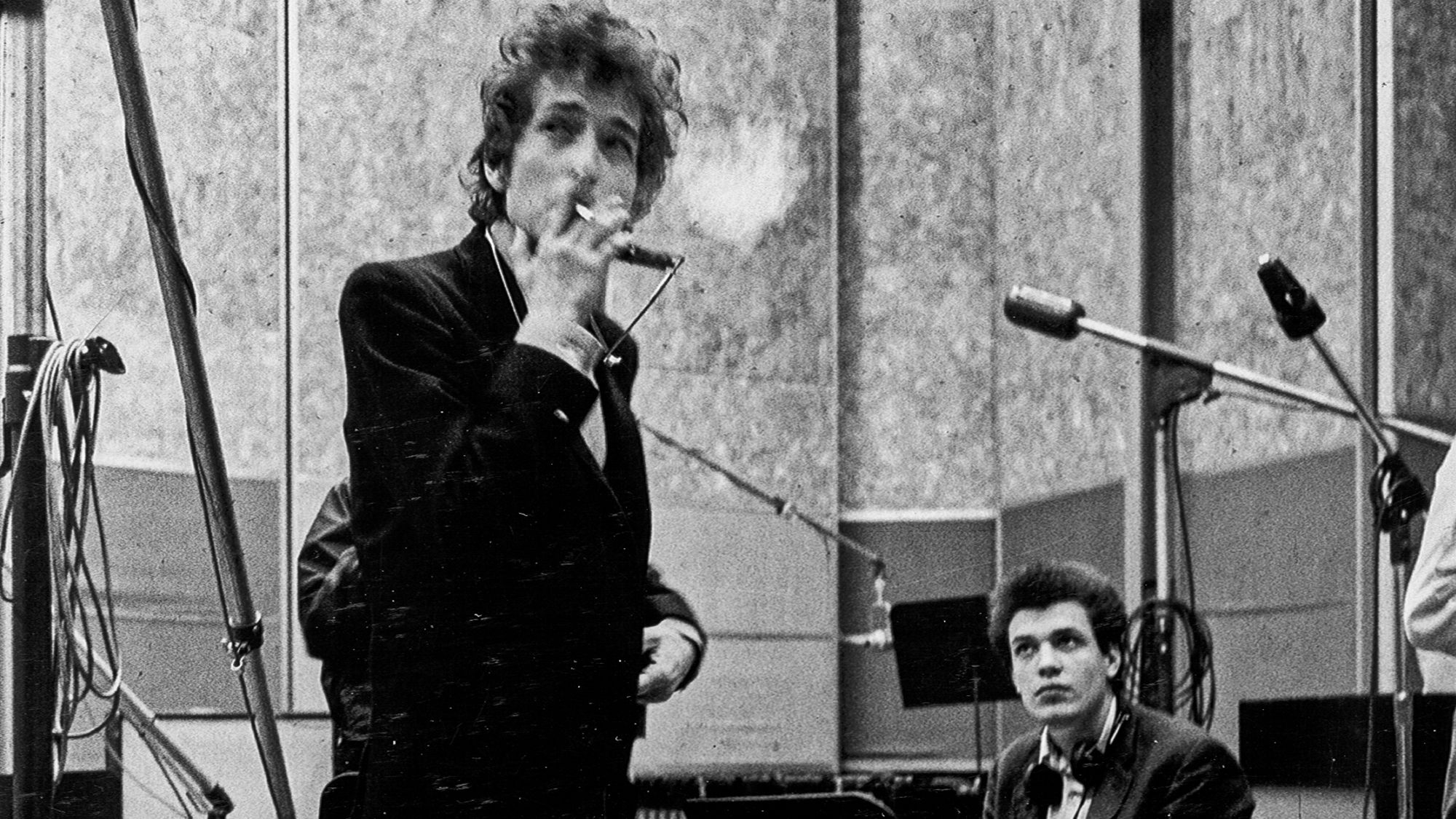
The folk revival of the early 1960s significantly influenced many artists, including Bob Dylan, Roger McGuinn, and Neil Young. Bloomfield’s connection with Dylan culminated in his participation on the groundbreaking 1965 album Highway 61 Revisited, which catapulted him into the spotlight. His fiery Telecaster riffs on the hit “Like a Rolling Stone” left an indelible mark on the music landscape, captivating a generation of listeners.
Dylan had previously experimented with electric sounds on Bringing It All Back Home, but Highway 61 Revisited represented a full embrace of electric instrumentation, with Bloomfield as a key collaborator. Both artists shared a similar background, drawing from folk, blues, and early rock to forge a new musical identity that would soon be recognized as folk rock.
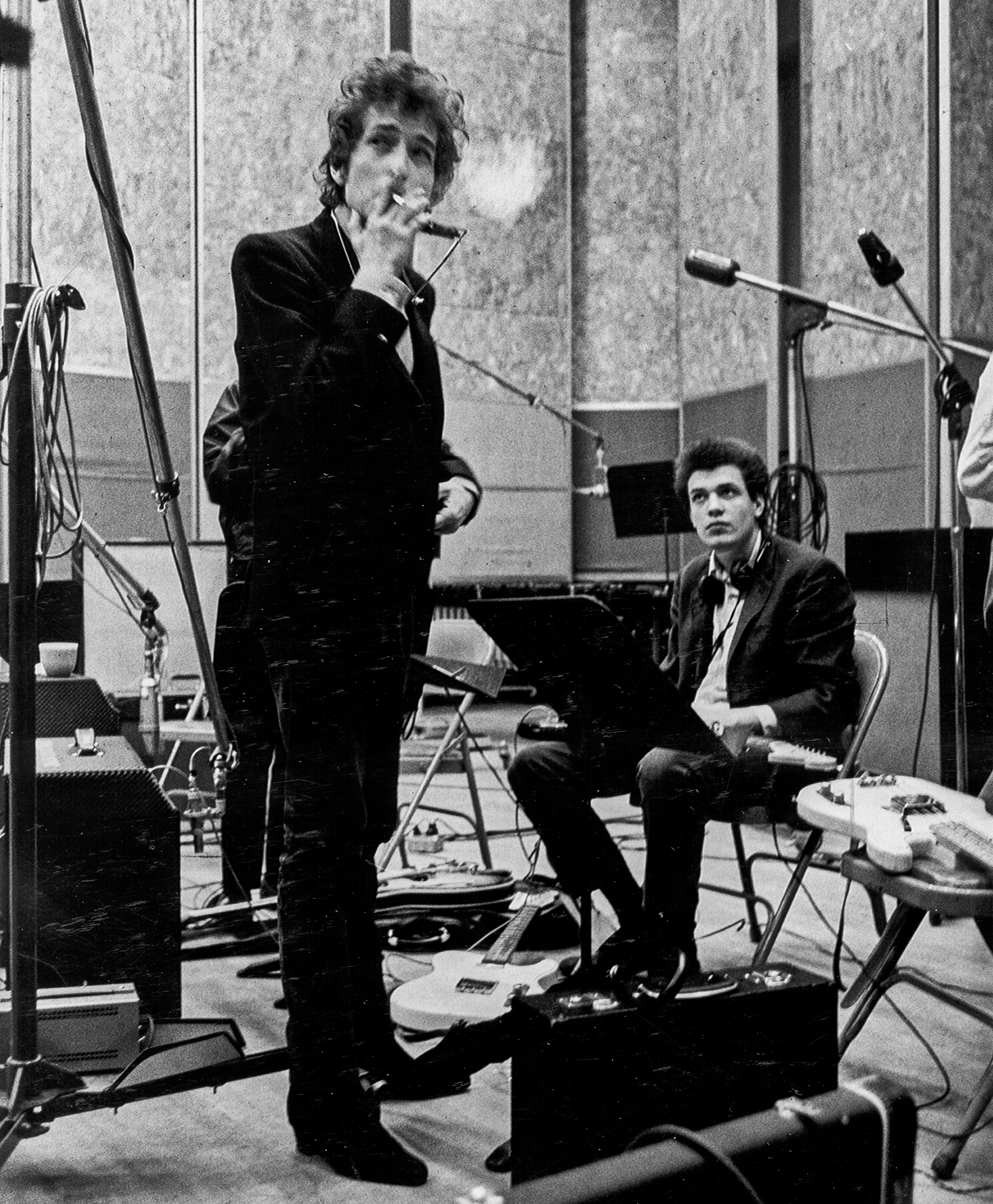
(Image credit: Michael Ochs Archives/getty Images)
Bloomfield’s guitar work was pivotal during the chaotic recording sessions for Highway 61 Revisited, where the musicians often lacked direction. Despite the uncertainty, they produced timeless tracks like “Tombstone Blues” and “Queen Jane Approximately,” showcasing bloomfield’s ability to elevate the music with his intense playing.
Joining the Butterfield Blues Band
In a surprising move, Bloomfield declined Dylan’s offer to tour as his guitarist, opting instead to join the Paul Butterfield Blues Band. This decision, while seemingly counterintuitive, aligned with Bloomfield’s desire for artistic integrity over commercial success. The Butterfield Blues Band, recognized as one of the first biracial blues groups, featured a stellar lineup, including Howlin’ Wolf’s rhythm section and harmonica virtuoso Paul butterfield.
The band’s debut album and its follow-up, East-West, became essential listening for the 1960s counterculture, with Bloomfield’s innovative guitar work inspiring countless musicians. His dynamic interplay with Butterfield’s harmonica exemplified the essence of collaborative musicianship.
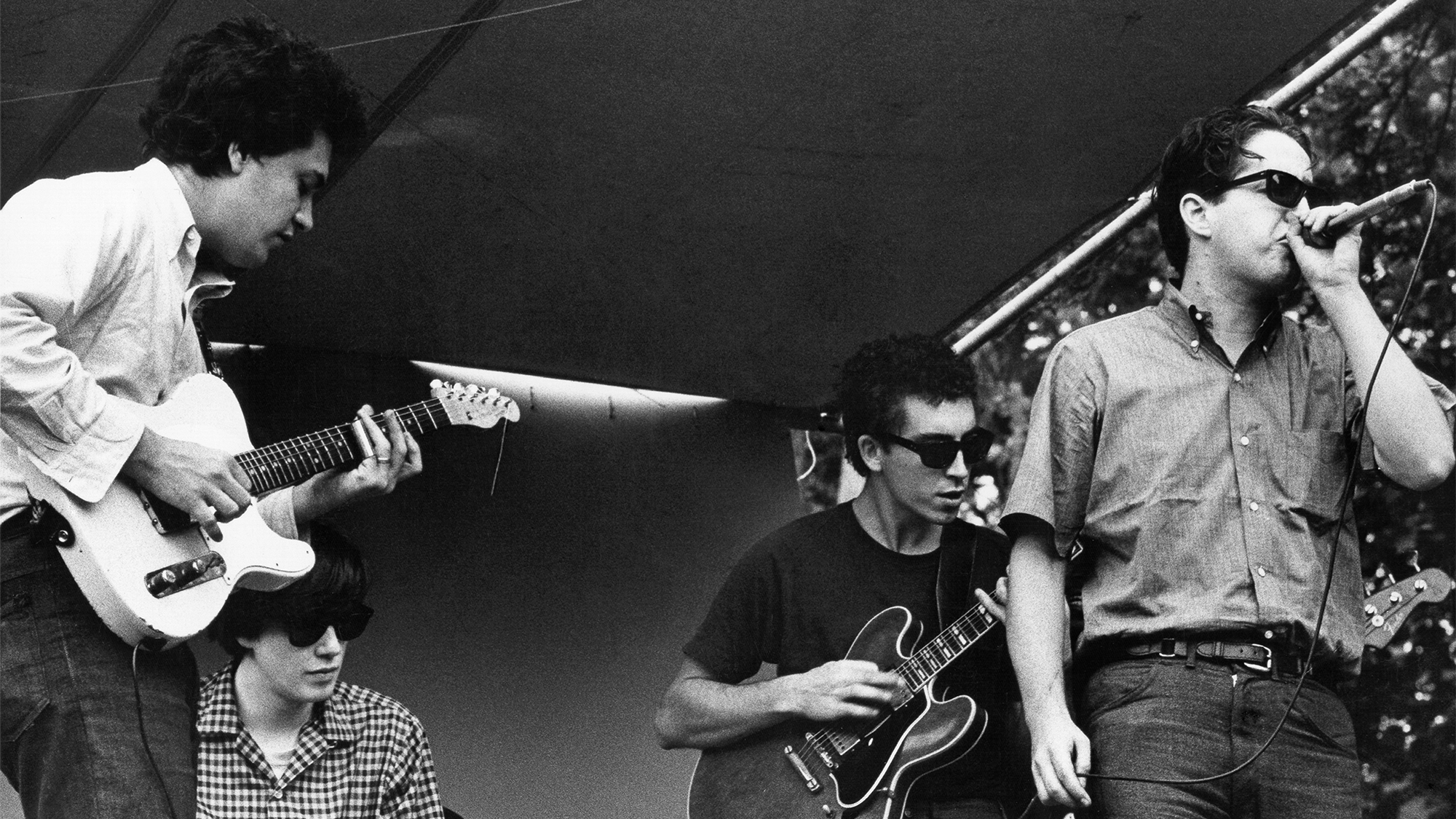
(Image credit: Michael Ochs Archives/Getty Images)
The Butterfield Blues Band became a beacon of musical experimentation, paving the way for future artists. Bloomfield’s influence resonated with emerging guitarists like Carlos Santana and Jorma Kaukonen, who admired the band’s tight-knit sound and innovative approach.
The Electric Flag and Super Session
In 1967, Bloomfield left the Butterfield Blues Band to form the Electric Flag, a band that incorporated a horn section, drawing inspiration from soul music. their debut at the Monterey Pop Festival marked a significant moment, but Bloomfield’s struggles with heroin began to overshadow his career. The completion of their debut album, A Long Time Comin’, was delayed, and Bloomfield’s leadership within the band waned.
Following his departure from the Electric Flag, Bloomfield collaborated with Al Kooper on the influential album Super Session. This project showcased his versatility, with tracks ranging from blues to funk and soul. Despite his contributions, bloomfield’s struggles with addiction led to his early exit from the sessions, but the album went on to achieve commercial success.
The Iconic les Paul Years
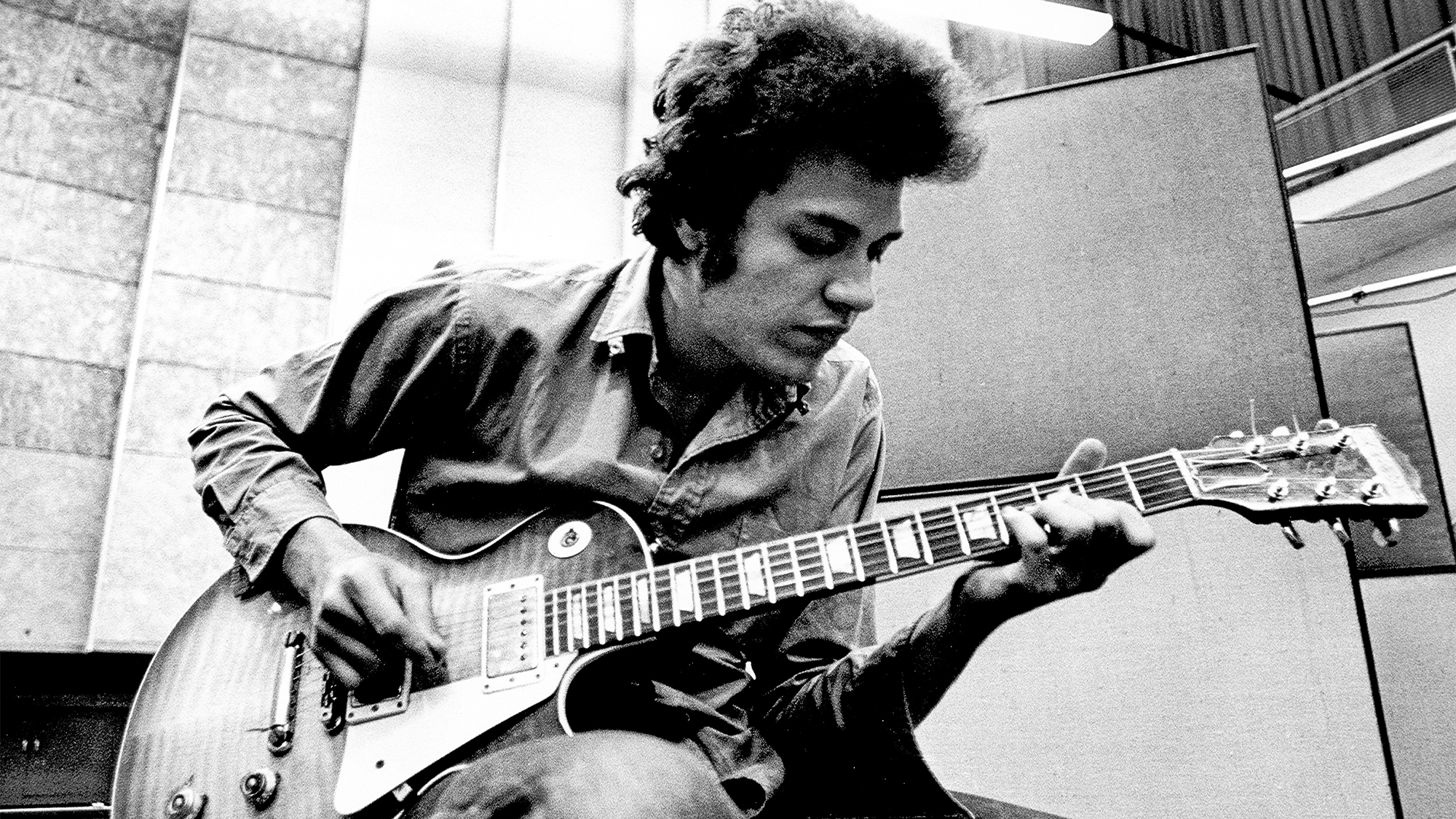
Bloomfield’s association with the 1959 Les Paul Standard grew during this period, as he became one of the first guitarists to elevate its status. His acquisition of the guitar in 1967 marked a turning point, and it became synonymous with his sound. The Les Paul’s popularity surged,transforming it into one of the most sought-after electric guitars in history.
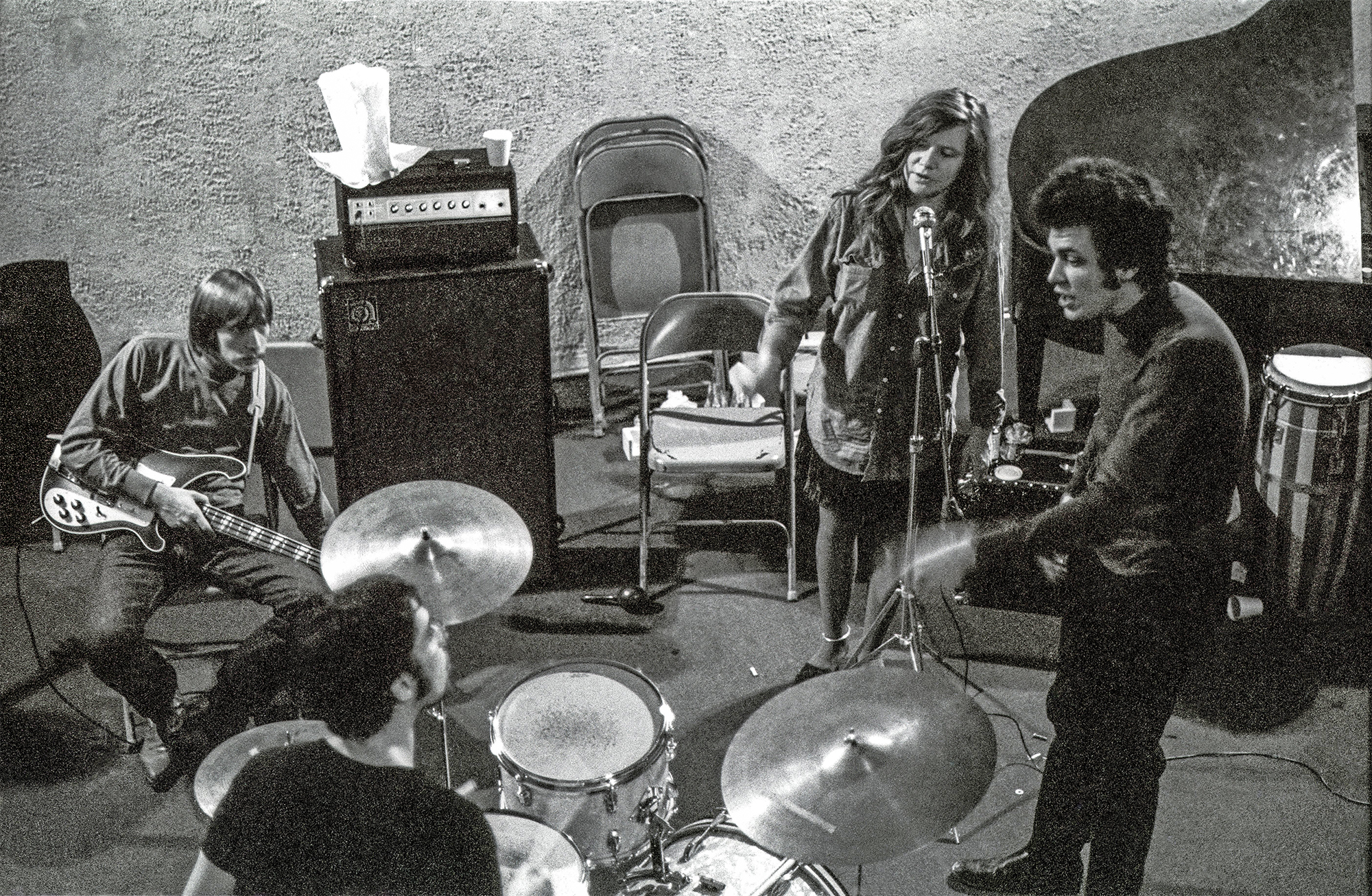
(Image credit: michael ochs Archives/Getty Images)
As the 1960s came to a close, Bloomfield continued to collaborate with notable artists, including Janis Joplin and Muddy waters, while releasing his solo work. However, the 1970s brought challenges, including a decline in popularity and personal struggles that led him to explore various musical avenues, including work in adult films.
Despite these setbacks, Bloomfield’s talent shone through in projects like Triumvirate and his instructional album for Guitar Player magazine. He remained active in the Bay Area music scene, often returning to his acoustic roots.
A Final Performance and Legacy
bloomfield’s last notable performance was with Bob Dylan in 1980, where he revisited their shared history on stage. Tragically, just months later, he was found dead from a heroin overdose, leaving behind a legacy that continues to resonate in the music world.
“Michael Bloomfield is a pivotal figure in American music,” Kaukonen reflects. “His passing was a tragedy. He made the blues accessible to many, and his zest for life was unmatched.There simply weren’t enough hours in the day for him to accomplish everything he wanted.”