The Legacy of Mike Bloomfield: The Unsung Hero of Electric Blues
What makes the blues the global language for guitarists around the globe? Why does the 1959 sunburst Les Paul hold such a revered status among musicians? The answer lies significantly in the influence of guitarist Mike Bloomfield. While often eclipsed by contemporaries like Eric Clapton and Peter Green, Bloomfield was a pivotal figure in the electric blues movement, blending Chicago blues with an electrifying energy that resonated with the youth of the 1960s.
BloomfieldS guitar solos were a driving force behind the music of legendary artists such as Bob Dylan, Muddy Waters, Janis Joplin, Al Kooper, and the Paul Butterfield Blues Band.Dylan famously referred to Bloomfield as “the best guitar player I ever heard,” a sentiment echoed by many in the music community.
Bloomfield’s sound was characterized by a raw, unfiltered tone and a fluid playing style that set him apart from his peers. Unlike many guitarists of his era, he shunned the use of large amplifiers and effects pedals, focusing rather on the authenticity of his touch, which was transmitted directly from his guitar to a simple combo amp.
Though his Caucasian background often places him alongside other white blues musicians, such as Clapton and Green, it is more fitting to view him as a peer to blues legends like Albert King, B.B. King, and Buddy Guy. In the 1970s,when Bloomfield contemplated stepping away from music,B.B.King personally urged him to continue his journey.
A Brief Yet Impactful Career
Bloomfield’s brilliance as a guitarist rivals that of rock icons like Clapton and Jimmy Page, yet he remains less celebrated today, partly due to the brevity of his career. His passion for the blues was matched only by his struggles with insomnia, substance abuse, and a complex relationship with fame.
“Mike was a force of nature,” recalls blues keyboardist Mark Naftalin, who played alongside Bloomfield in the Butterfield Blues Band. “his energy was boundless, and he was incredibly emotional, intellectual, and talented.”
Bloomfield’s journey began as a teenager in the vibrant blues clubs of Chicago’s South Side, where he immersed himself in the music of giants like Muddy Waters and Howlin’ Wolf. He quickly transitioned from an audience member to a performer, sharing the stage with these legends and becoming an integral part of the scene.
“Michael emerged from the authentic blues scene,” says Jorma Kaukonen of Jefferson Airplane. “In the mid-1960s, those clubs were perilous, and you needed a companion to navigate them. Today, blues bars are everywhere, but Michael was one of the pioneers who made it possible.”
Roots in Folk and Blues
Bloomfield’s musical authenticity was profound, with roots that extended into various genres. In the early 1960s, he explored folk music, honing his skills at Chicago’s Old Town School of Folk Music and becoming an accomplished fingerstyle guitarist. He even managed a folk coffeehouse, the Fickle Pickle, where he hosted and recorded with notable acoustic blues musicians.
Collaboration with Bob Dylan
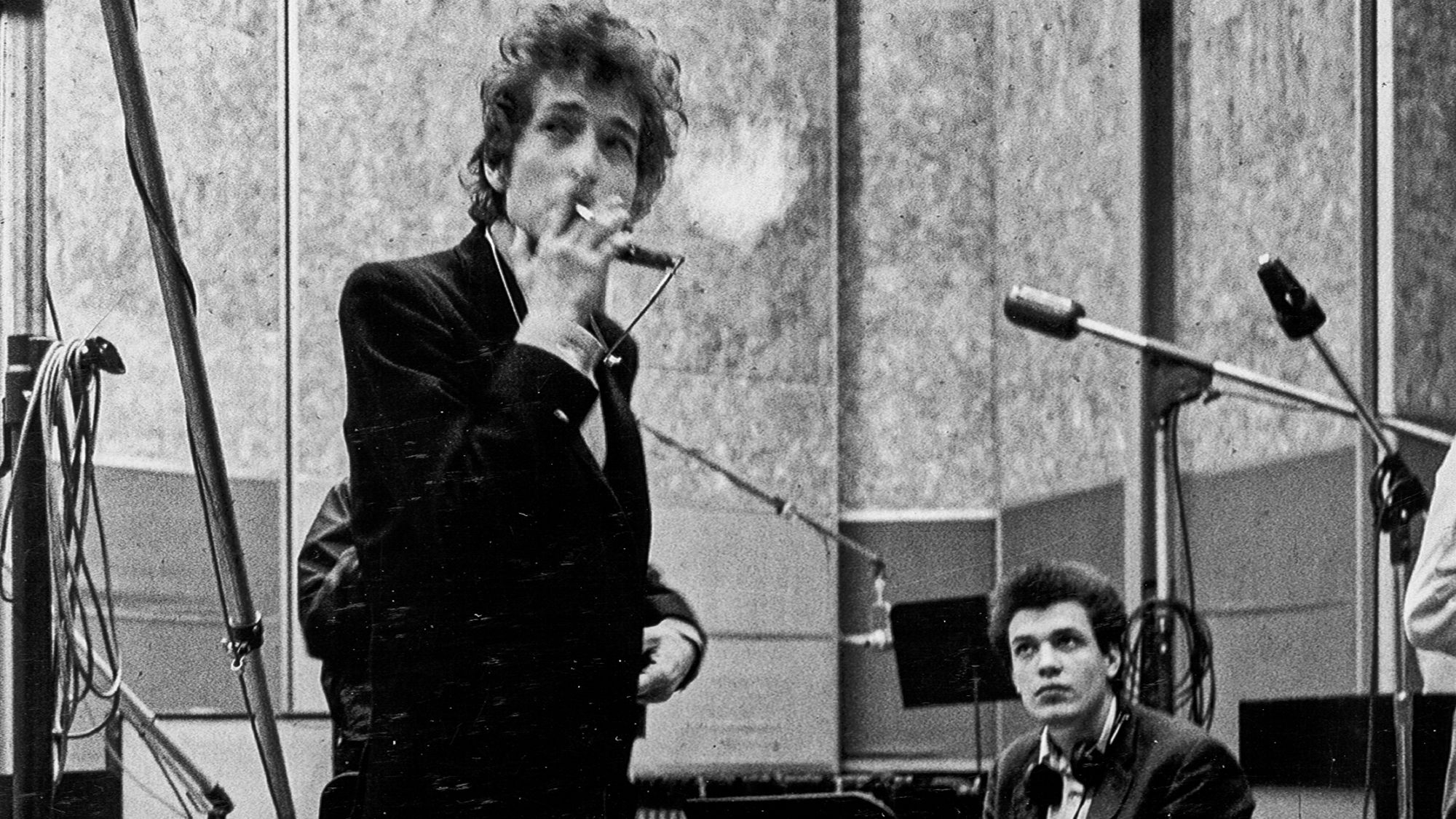
The folk revival of the early 1960s significantly influenced many artists, including Bob Dylan, Roger McGuinn, and Neil Young. This shared background fostered a strong musical bond between bloomfield and Dylan,leading to Bloomfield’s pivotal role on Dylan’s groundbreaking 1965 album,Highway 61 Revisited. His fiery Telecaster work on the iconic track “Like a Rolling Stone” helped cement Bloomfield’s place in music history.
dylan had previously experimented with electric instrumentation on his album Bringing It All Back home, but Highway 61 Revisited marked a full embrace of electric sound. Bloomfield, with his shared Midwestern roots and love for folk and blues, was the perfect collaborator for this new direction.
The Butterfield Blues Band
In a surprising career move, Bloomfield declined Dylan’s offer to tour as his guitarist, opting instead to join the Paul Butterfield Blues Band. At the time,Dylan was a major star,but bloomfield valued the artistic credibility of the Butterfield Blues Band,which was recognized as one of the first biracial blues groups.
The band, featuring a stellar lineup including Jerome Arnold and Sam Lay, released their self-titled debut in 1965 and the critically acclaimed East-West in 1966. Bloomfield’s innovative guitar work on tracks like ”I Got a Mind to Give Up Living” inspired countless musicians and showcased his remarkable ensemble playing.
“It was an amazing band,” Kaukonen reflects. “The synergy between Michael, Elvin, and Butterfield was powerful. Their music was groundbreaking.”
Electric Flag and Super Session
In 1967, Bloomfield left the Butterfield Blues band to form the Electric Flag, a band that incorporated a horn section, drawing inspiration from soul music. Their debut at the Monterey Pop Festival was a important moment, but Bloomfield’s struggles with heroin began to overshadow his musical achievements.
Despite these challenges, Bloomfield collaborated with Al Kooper on the influential album Super Session, which showcased his versatility across various musical styles. The album was a commercial success, reaching Number 12 on the Billboard 200 chart and achieving Gold status.
The Iconic Les Paul Years
Bloomfield’s association with the 1959 Les Paul Standard, a guitar that became a symbol of his sound, began when he traded for it in 1967. This instrument played a crucial role in his recordings and helped elevate the status of the Les Paul among guitarists, shifting market preferences from goldtops to sunburst models.
As the 1960s came to a close, Bloomfield continued to work with notable artists, including Janis Joplin and Muddy waters, while releasing his solo album, It’s Not Killing Me. However, as the 1970s progressed, his popularity waned, and he faced personal and professional challenges.
A Troubled Legacy
In the late 1970s,Bloomfield performed sporadically,frequently enough returning to his acoustic roots. His final performance with Dylan in 1980 was a poignant moment, showcasing his enduring connection to the music that defined his life. Tragically, Bloomfield’s life ended on February 15, 1981, from a heroin overdose, leaving behind a legacy that continues to influence musicians today.
“Michael Bloomfield is a vital figure in American music,” Kaukonen concludes.”His passing was a tragedy. He made the blues accessible to many, and his passion for life was unmatched.”