Reviving the '80s: Gibson's Certified Vintage Drop Unleashes the Spirit of Superstrat Performance!
0 reactions
1 year ago
Beatbounty
Gibson’s Certified Vintage Collection: A Nostalgic Journey into the 1980s Superstrat Revolution
Gibson has recently launched its latest series of Certified Vintage electric guitars, providing an remarkable look back at the company’s overlooked Superstrat phase from the 1980s.
Introduced in 2023, the Certified Vintage program aims to rediscover, highlight, and sell some of Gibson’s rarest and most exclusive prototypes and archival instruments.
This new collection features unique prototypes that showcase innovative designs, unusual body shapes, and long-lost models, offering a engaging overview of Gibson’s evolution during a pivotal time in guitar history, marked by rapid advancements in guitar technology.
While Slash would later redefine the company’s legacy with his iconic Les Paul,the years leading up to that moment were characterized by extensive experimentation at Gibson,which was then under the ownership of the Norlin Corporation.
This era saw many guitar manufacturers striving to meet the rising demand for sleeker designs, enhanced playability, and versatile electronics, as a new wave of guitar-driven music, led by legends like Eddie Van Halen, emerged and inspired a fresh generation of guitarists.
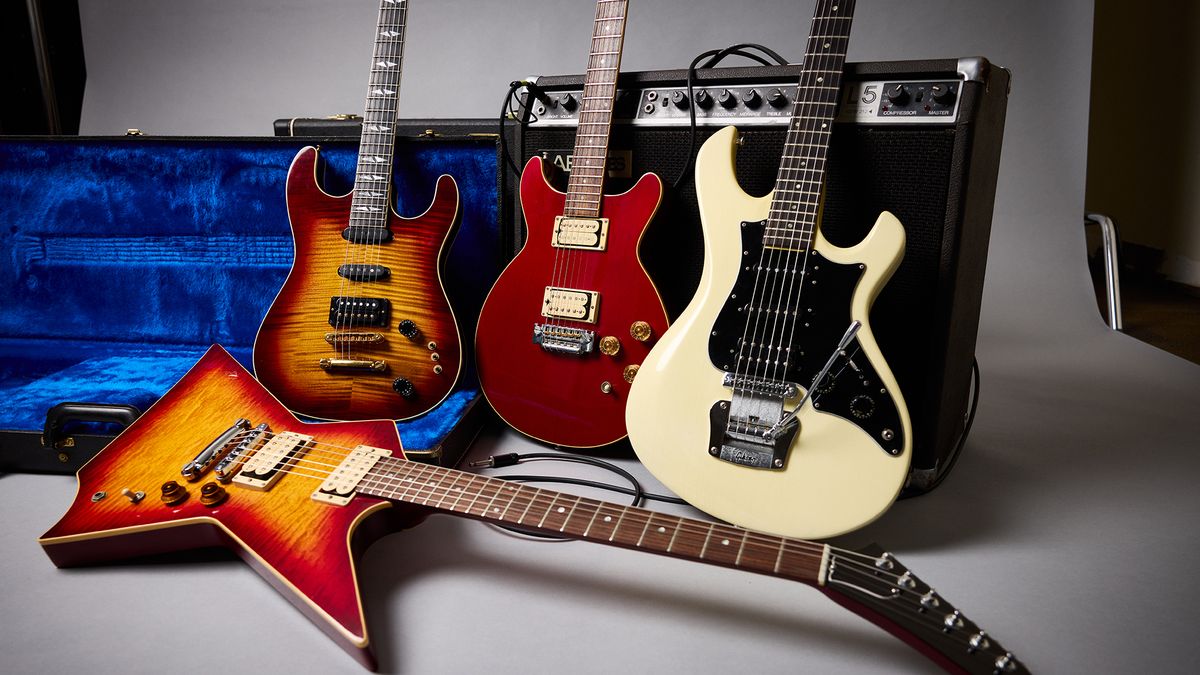
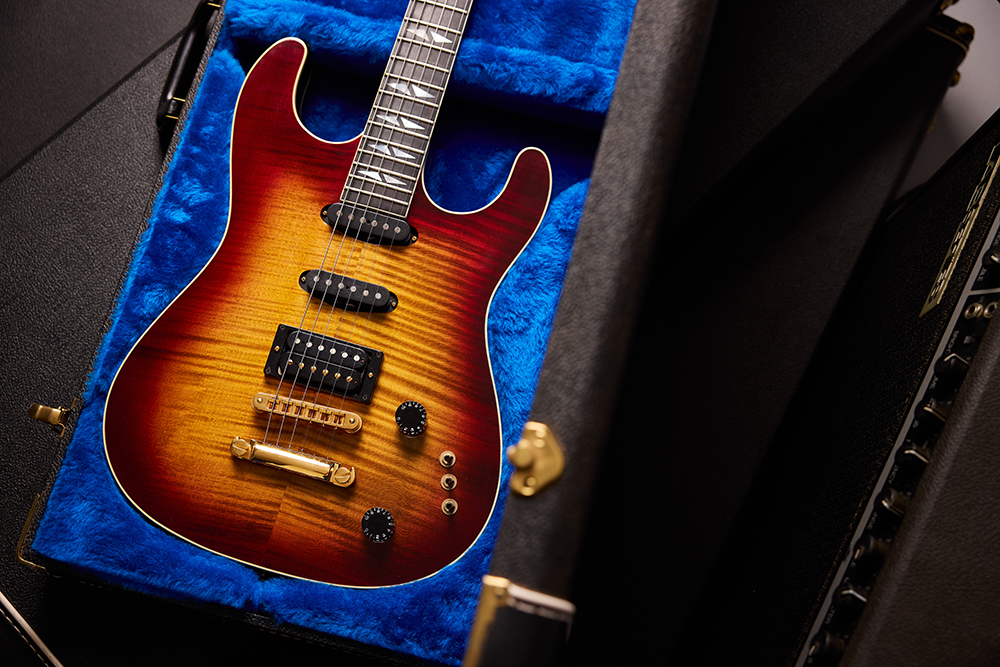
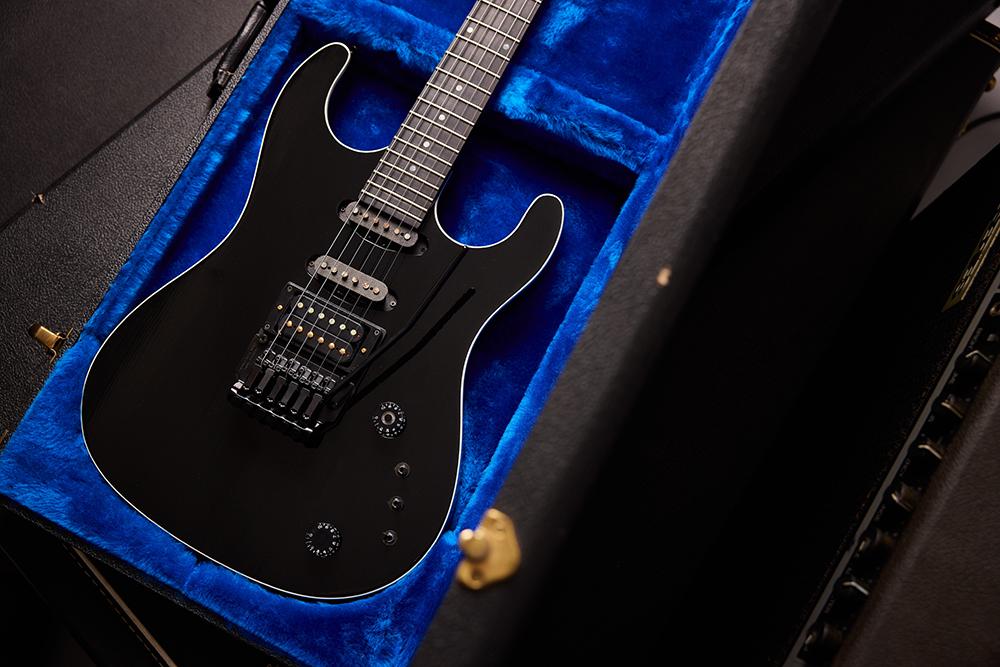
The Superstrat’s rise to prominence during this time is vividly reflected in Gibson’s latest Certified Vintage offerings. The 1986 Gibson US-1 prototype exemplifies this trend, alongside the equally performance-oriented 1987 Gibson U-2. Both models feature conventional Strat-style body shapes and are equipped with extensive switching options to cater to diverse tonal preferences.
The U-2 model stands out with its Floyd Rose tremolo system, a rarity for Gibson guitars, while the US-1 boasts a stunning flamed top, a TOM/Stop Bar setup, and an extended 25.5” scale length—specifications that are quite unusual for a brand known for its 24.75” scale guitars.
“The 1980s were all about speed, precision, and high performance, all wrapped in bold aesthetics,” says Mitch Conrad, Gibson’s Certified Vintage Manager, in an interview with Guitar world. “These models truly capture that essence and were crafted to resonate with the musical landscape of that time.”
Conrad further emphasizes the influence of the broader music scene on Gibson’s innovations: “We continuously strive to create the best tools for musicians that reflect their current moment.”
The U-series guitars are not the only examples of Gibson’s adventurous spirit during the 1980s; they highlight the company’s ambition to penetrate the Superstrat market and explore new sonic territories.
As the guitar landscape continues to evolve, Gibson’s Certified Vintage collection serves as a reminder of the brand’s rich history and its willingness to adapt to the changing needs of musicians. With these unique models, players can experience a piece of the past while enjoying the innovations that shaped the future of guitar playing.
Gibson’s Vintage Collection: A Glimpse into the 1980s Superstrat Era
Gibson has recently introduced a captivating selection of Certified Vintage electric guitars,offering a unique retrospective on the company’s frequently enough-overlooked Superstrat phase from the 1980s.
launched in 2023, the Certified Vintage program aims to rediscover and present some of Gibson’s rarest prototypes and archival instruments, showcasing the brand’s innovative spirit.
This latest collection features one-of-a-kind prototypes that highlight groundbreaking designs, unconventional body shapes, and forgotten models, providing an insightful overview of Gibson’s evolution during a transformative period in guitar history, characterized by rapid technological advancements.
While Slash would later redefine the company’s legacy with his iconic Les Paul, the years leading up to that moment were marked by extensive experimentation at Gibson, which was then under the ownership of the Norlin Corporation.
During this era, many guitar manufacturers sought to meet the increasing demand for sleeker designs, enhanced playability, and versatile electronics, as a new wave of guitar-driven music, led by icons like Eddie Van Halen, inspired a fresh generation of musicians.
The Rise of the Superstrat
The emergence of the Superstrat is vividly reflected in Gibson’s latest Certified Vintage offerings. The 1986 Gibson US-1 prototype exemplifies this trend, alongside the equally performance-oriented 1987 Gibson U-2. Both models feature traditional Strat-style body shapes and are equipped with extensive switching options to cater to diverse tonal preferences.
The U-2 model stands out with its Floyd Rose tremolo system, a rarity for Gibson guitars, while the US-1 boasts a stunning flamed top, a TOM/Stop Bar setup, and an extended 25.5” scale length—specifications that are quite unusual for a brand known for its 24.75” scale guitars.
Innovation and Exploration
“The 1980s were all about speed, precision, and high performance, all wrapped in bold aesthetics,” says Mitch Conrad, gibson’s Certified vintage Manager, in an interview with Guitar World. “These models truly capture that essence and were crafted to resonate with the musical landscape of that time.”
Conrad further emphasizes the influence of the broader music scene on Gibson’s innovations: “We continuously strive to create the best tools for musicians that reflect their current moment.”
The U-series guitars are not the only examples of Gibson’s adventurous spirit during the 1980s; they highlight the company’s ambition to penetrate the Superstrat market and explore new sonic territories.
Exploring the Q Series Prototypes
Included in this collection are three Q Series prototypes, which share a design lineage with the recently revived Victory line. The Q models feature elongated double-cut bodies and a variety of hardware and pickup configurations.
For instance, the 1984 Q200 offers a P-90/humbucker combination with a Kahler Flying bridge, while the 1984 Q300 is equipped with three P-90 pickups. The third unbadged Q model from 1983 features a prototype Gibson roller bridge and tremolo system.
“Innovation is all about exploration,” Conrad notes regarding the unconventional specifications on display, “testing ideas, refining designs, and landing on one path to move forward on. I think a natural part of that process is choosing the option that achieves the original goal.”
Classic Gems from the Gibson Archive
the Superstrat experiments are complemented by some more traditional yet equally fascinating gems from the Gibson archive.
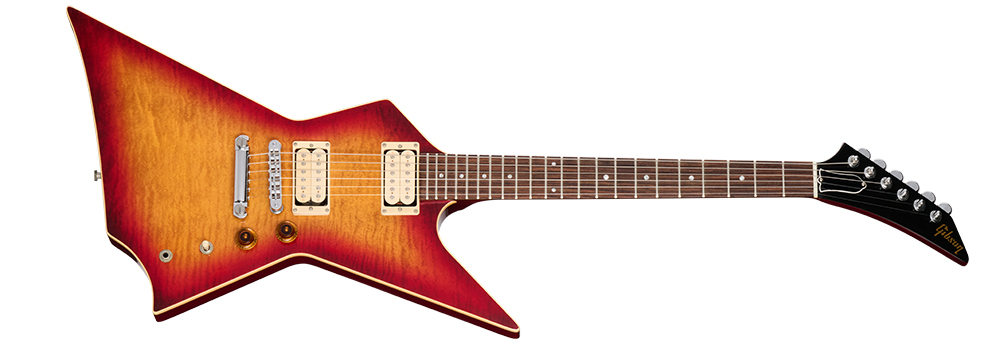
Gibson Certified Vintage 1985 Explorer XPL Prototype (Image credit: Gibson)
As the guitar landscape continues to evolve, Gibson’s Certified Vintage collection serves as a reminder of the brand’s rich history and its willingness to adapt to the changing needs of musicians. With these unique models, players can experience a piece of the past while enjoying the innovations that shaped the future of guitar playing.
The gibson Certified Vintage collection has unveiled a fascinating array of guitars that harken back to the innovative spirit of the 1980s. This collection offers a unique viewpoint on the brand’s experimental designs during a transformative era in music history.
Notable Prototypes from the Past
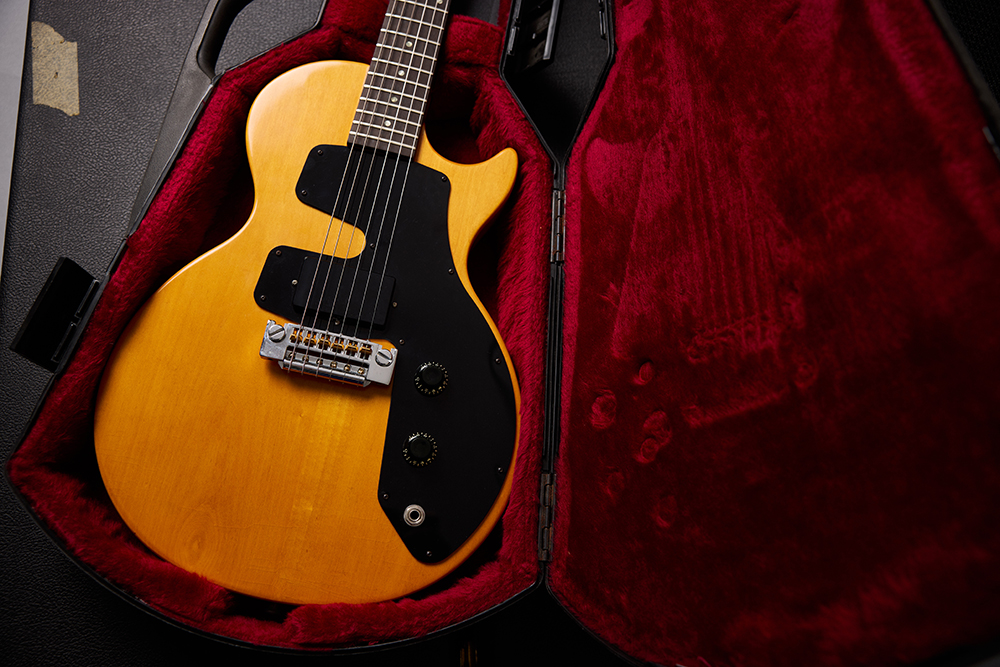
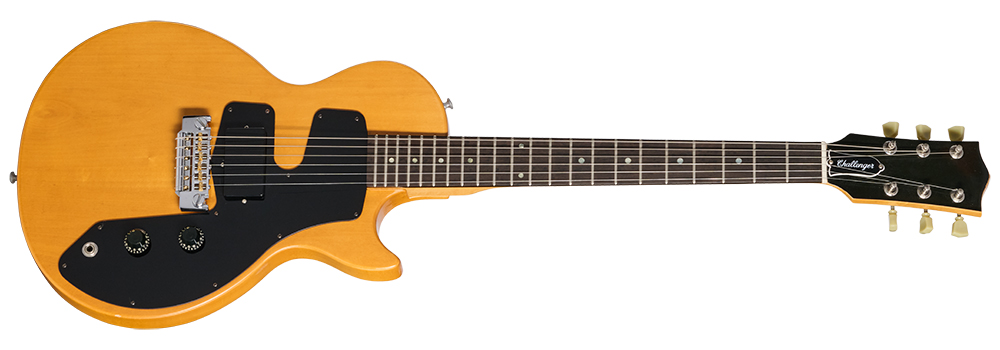
Among the standout models is the 1983 Challenger Prototype, which aimed to make the Les Paul more accessible to players. This model features an unconventional bolt-on neck design, diverging from the traditional set neck approach, along with a distinctive headstock shape that was ultimately abandoned.
Another intriguing entry is the 1985 Explorer XPL Prototype, which reimagines the classic Explorer body to align with the bold aesthetics of the ’80s music scene. Additionally, the 1985 Spirit II XPL combines a hockey stick headstock with a Les Paul DC-style body, showcasing Gibson’s willingness to push boundaries.
A Reflection on Gibson’s Evolution
This Certified Vintage release serves as a lens through which to examine Gibson’s history. As the 1980s drew to a close and the 1990s began, slash’s rise to fame propelled the Les Paul into the spotlight, overshadowing many of these experimental models that had not achieved lasting success.
In recent years, gibson has begun to breathe new life into some of these overlooked models, as seen with the revival of the Victory line last year and the introduction of the Theodore. This resurgence highlights the brand’s commitment to its rich heritage.
when asked about the potential return of the US-1 or the Q line, Mitch Conrad, Gibson’s Certified Vintage Manager, hinted, “It’s remarkable how Gibson’s historical designs continue to influence our current offerings. The Spirit II XPL shares many similarities with the figured-top Les Paul Special Doublecuts that the Custom Shop has been producing in recent years.”
“While I can’t guarantee that these specific models will make a comeback, Gibson’s legacy of design and innovation consistently inspires the guitars we create today,” he added.
For more information on the new Certified Vintage collection, visit Gibson’s official website.
Reviving the ’80s: Gibson’s Certified Vintage drop Unleashes the Spirit of Superstrat Performance!
Reviving the ’80s: Gibson’s Certified Vintage Drop Unleashes the spirit of Superstrat performance!
the Return of the superstrat
Gibson has made waves in the guitar community with its latest Certified Vintage drop, wich pays homage to the iconic Superstrat era of the 1980s. This collection features a range of unique prototypes that embody the high-performance spirit of that transformative decade in music history.
What is a Superstrat?
The term ”Superstrat” refers to a style of electric guitar that combines the classic Stratocaster shape with modern features aimed at enhancing playability and versatility. Thes guitars typically include:
Humbucker pickups for a thicker sound
Floyd Rose tremolo systems for expressive pitch bending
Extended scale lengths for improved sustain
Unique body shapes and finishes that stand out on stage
Highlights of the Certified Vintage Collection
The Certified Vintage collection showcases several standout models that reflect Gibson’s commitment to innovation and quality. Here are some key highlights:
1. 1986 Gibson US-1 Prototype
This model features a sleek design with a flamed top and a TOM/Stop Bar setup,along with an extended 25.5” scale length. The US-1 is a prime example of Gibson’s experimentation during the ’80s,offering players a unique sound and feel.
2. 1987 Gibson U-2
The U-2 is equipped with a Floyd Rose tremolo system, making it a rarity among Gibson guitars. This model is designed for shredders who demand precision and versatility in their playing.
3. 1983 Challenger Prototype
This prototype aimed to make the Les Paul more accessible, featuring a bolt-on neck design and a distinctive headstock shape.It represents Gibson’s efforts to adapt to the changing needs of guitarists during the ’80s.
4. 1985 Explorer XPL Prototype
The Explorer XPL takes the classic Explorer shape and adds a radical twist, aligning it with the bold aesthetics of the ’80s music scene.
5. 1985 Spirit II XPL
This model combines a hockey stick headstock with a Les Paul DC-style body, showcasing Gibson’s adventurous spirit in design.
Benefits of the Certified vintage Collection
Investing in a guitar from the Certified Vintage collection offers several advantages:
Unique Sound: Each model features distinct tonal characteristics that set them apart from standard production guitars.
Historical Significance: Owning a piece of Gibson’s history adds value and prestige to your collection.
Enhanced Playability: These guitars are designed with modern players in mind,offering improved comfort and performance.
Practical tips for Choosing Your Vintage Guitar
When selecting a guitar from the Certified Vintage collection, consider the following tips:
Playability: Test the guitar to ensure it feels pleasant in your hands.
Sound Preferences: Consider the tonal qualities you desire and choose a model that aligns with your musical style.
Condition: Inspect the guitar for any signs of wear or damage, especially if purchasing used models.
First-Hand Experience: Playing the Certified Vintage Models
Many players have reported that the Certified Vintage models not only look stunning but also deliver exceptional performance. Here are some testimonials:
“The 1986 US-1 Prototype has a sound that cuts thru the mix beautifully. It’s perfect for both rhythm and lead playing!” – John D.
“I love the feel of the U-2. The Floyd Rose system allows me to dive-bomb and pull back with ease!” – Sarah K.
Join the Beatbounty Community
If you’re passionate about music and want to connect with other musicians, consider creating an account on the Beatbounty platform. You can submit ads, find gear, and engage with a vibrant community of music lovers.