Robert Plant's Bold Move: Why He Paid a Radio Station to Silence 'Stairway to Heaven
0 reactions
1 day ago
Beatbounty
The Unlikely Tale of Robert Plant’s Radio Sponsorship: A Bid to Silence ‘Stairway to Heaven’
“Stairway to heaven” stands as an iconic anthem in the rock genre, yet its omnipresence has led to it being labeled as one of the most overplayed tracks in history. Its notoriety has even resulted in bans from guitar shops, appearances in pop culture like Wayne’s World, and a protracted copyright dispute surrounding its iconic opening riff.
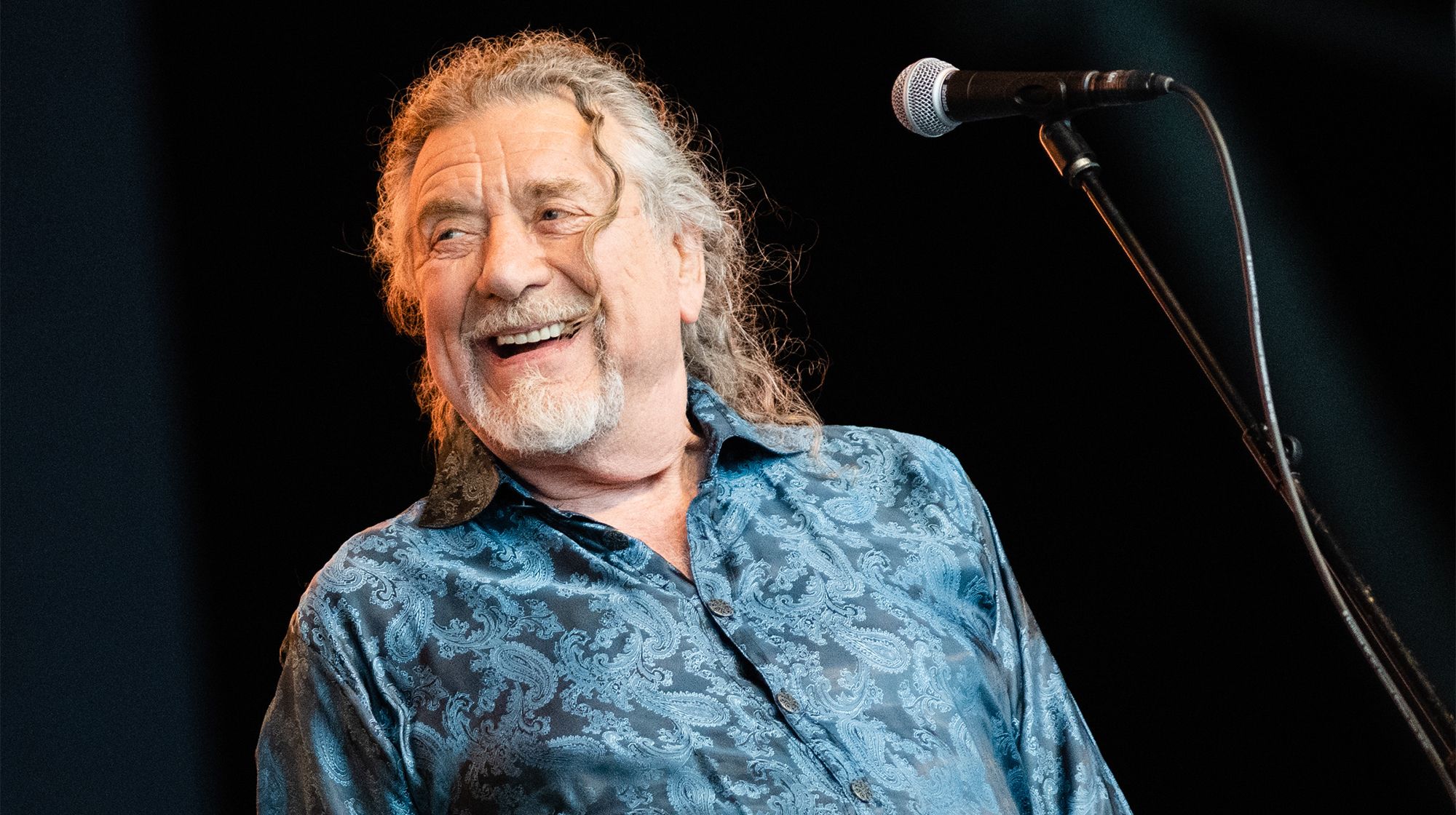
In a surprising twist, led Zeppelin’s frontman Robert Plant took an unusual step: he financially supported a radio station to cease playing the song.
A Drive Through Oregon: the Backstory
Plant recounted this intriguing episode during a 2002 NPR interview, reminiscing about a drive through Oregon that culminated in a speeding ticket and an unexpected commitment to a local community radio station.
“I was cruising through Portland, Oregon, on my way to Lincoln City, aiming to reach eureka,” plant shared. “Just before the highway patrol caught me speeding at 90 mph, I was tuned into KBOO.”
KBOO,a community radio station established in 1964,was known for its quirky fundraising tactics at the time of Plant’s drive.
“The station had an eclectic mix of music,” Plant recalled. “It featured a blend of melancholic doo-wop outtakes and a DJ with a dry wit, reminiscent of someone from Marin county in the late ’60s.”
The Irresistible Offer
Than came an offer that Plant found hard to resist.
“The DJ announced they were seeking sponsorships: ‘Please contribute $10 or so, and if enough locals do, KBOO will vow never to play ‘Stairway to Heaven,’” Plant explained. “I called in and pledged my support. I became one of KBOO’s sponsors.”
How Much Did Plant Pay?
The exact amount Plant contributed remains a topic of speculation. Some sources suggest he donated as much as $10,000,but there’s no definitive proof to back that claim. Plant’s own narrative hints that his contribution was likely closer to the suggested $10.
Regardless of the amount, it’s clear he was willing to pay to avoid hearing his band’s most famous track.
Contrasting Perspectives: Plant vs.Page
This ambivalence from Plant stands in stark contrast to Jimmy Page’s enduring passion for the song. Page has expressed his desire for the track to open with a “delicate acoustic guitar,” inspired by Bach’s “Bourrée,” before layering in recorders to give it a medieval flair. The song then evolves into a blues-rock masterpiece, culminating in one of the most revered guitar solos in rock history.
Page has also highlighted the unique tonal range offered by the Gibson EDS-1275 electric guitar he used for live performances, allowing him to switch between its 12-string and six-string necks. Although the guitar was discontinued when Page ordered it, his use of the instrument on tour prompted Gibson to reintroduce the model in 1974.
A Legacy of Irony
For Plant, the most remarkable aspect of this story might potentially be that he once chose to pay to avoid hearing a song that has become synonymous with his legacy.
Robert Plant’s Bold Move: why He Paid a Radio Station to silence ‘Stairway to Heaven’
Robert Plant’s bold move: Why He Paid a Radio Station to Silence ‘Stairway to Heaven’
The story Behind the Decision
In a surprising twist in rock history, Robert Plant, the legendary frontman of Led Zeppelin, once took the unusual step of paying a radio station to stop playing one of the moast iconic songs of all time, “Stairway to Heaven.” This decision has sparked curiosity and debate among fans and music historians alike.
A Drive Through Oregon
During a 2002 interview with NPR, Plant recounted the story of how this bold move came to be. While driving through Oregon, he tuned into KBOO, a community radio station known for its eclectic programming and unique fundraising methods.
“I was driving along, heading for Lincoln City, and just before the highway patrol caught me speeding, I was listening to KBOO,” Plant shared. The station was known for its quirky approach to fundraising, which included a humorous offer from the DJ.
The Offer That Changed Everything
The DJ announced that KBOO was seeking sponsorships, promising that if enough listeners contributed, the station would vow never to play “Stairway to Heaven” again. Intrigued by the offer, Plant decided to take action.
“I called him up and pledged my money. I was one of the KBOO sponsors,” Plant explained. While the exact amount he contributed remains unclear, some reports suggest it could have been as little as $10, while others speculate it might have been as high as $10,000.
Why Would Plant Want to Silence His Own Song?
At first glance, Plant’s decision to pay a radio station to stop playing “Stairway to Heaven” seems counterintuitive. After all, the song is one of the most celebrated tracks in rock history. However, several factors contributed to his decision:
Overexposure: By the early 2000s, “Stairway to Heaven” had become one of the most overplayed songs on radio, leading to listener fatigue.
Artistic Integrity: Plant has often expressed a desire to move beyond the shadow of led Zeppelin and explore new musical avenues.
Personal Preference: The song’s constant airplay may have simply become tiresome for Plant, who has a deep recognition for musical variety.
The Impact of Plant’s Decision
Plant’s decision to sponsor KBOO and silence “Stairway to Heaven” had several implications:
1. A Statement on Artistic Freedom
By taking this step, Plant made a bold statement about artistic freedom and the right of musicians to control how their work is presented to the public.
2. A Reflection of Changing Tastes
As music evolves, so do listener preferences. Plant’s move reflects a broader trend in the music industry where artists seek to distance themselves from their past hits in favor of new creative expressions.
3. A Unique Marketing Strategy
KBOO’s fundraising tactic became a talking point in the music community, showcasing how community radio can engage listeners in innovative ways.
Case Studies: Othre Artists Who Have Taken Similar Stands
Plant is not alone in his desire to control how his music is consumed.Here are a few other artists who have made similar moves:
Artist
Action Taken
Reason
Prince
Withdrew music from streaming services
To maintain control over his catalog
Taylor Swift
Removed music from Spotify
Concerns over artist compensation
Radiohead
Allowed fans to pay what they want for albums
To challenge traditional music sales models
First-Hand Experience: Insights from Robert Plant
In interviews, Plant has shared his thoughts on the music industry and the evolution of his career. He emphasizes the importance of artistic growth and the need for musicians to adapt to changing times.
“music is a living, breathing entity,” Plant stated. “As artists, we must evolve and not be confined to our past successes.” This ideology underpins his decision to support KBOO and his ongoing exploration of new musical styles.
Benefits of Supporting Community Radio
Plant’s sponsorship of KBOO highlights the benefits of supporting community radio stations:
Local Engagement: Community radio fosters a sense of connection among local listeners and artists.
Diverse Programming: These stations often feature a wide range of music genres, promoting lesser-known artists.
Creative Freedom: Community radio allows for more experimental and diverse programming compared to commercial stations.
Practical Tips for Artists
For musicians looking to navigate their careers in a similar vein to Plant, here are some practical tips:
Engage with Your Audience: Understand your fans’ preferences and how they interact with your music.
Explore New Platforms: Consider choice distribution methods,such as community radio or direct-to-fan sales.
Stay True to Your Art: Don’t be afraid to take risks and explore new musical directions.
Join the Beatbounty Community
If you’re an artist looking to promote your music or connect with fans, consider creating an account on the Beatbounty platform. Submit an ad and reach a wider audience while engaging with fellow musicians and music lovers.