Rock 'n' Roll Mayhem: How a Revolutionary Amp Almost Stopped the Rolling Stones' 1969 US Tour in Its Tracks!
0 reactions
6 hours ago
Beatbounty
The Rolling Stones’ 1969 US Tour: A Sonic Revolution Almost Derailed by Amplifier Chaos
The Rolling Stones didn’t merely embark on a tour across America in 1969; they fundamentally transformed the landscape of stadium rock. They captivated massive audiences with colossal PA systems, a meticulously crafted stage setup, and sound levels that pushed the boundaries of the technology available at the time.
Though, their quest for a reliable guitar and bass amplification system turned into a logistical nightmare. The British amplifiers that had served them well in the UK were often unsuitable for their needs abroad, and the band’s expanding live performance requirements demanded more power than most manufacturers could provide.
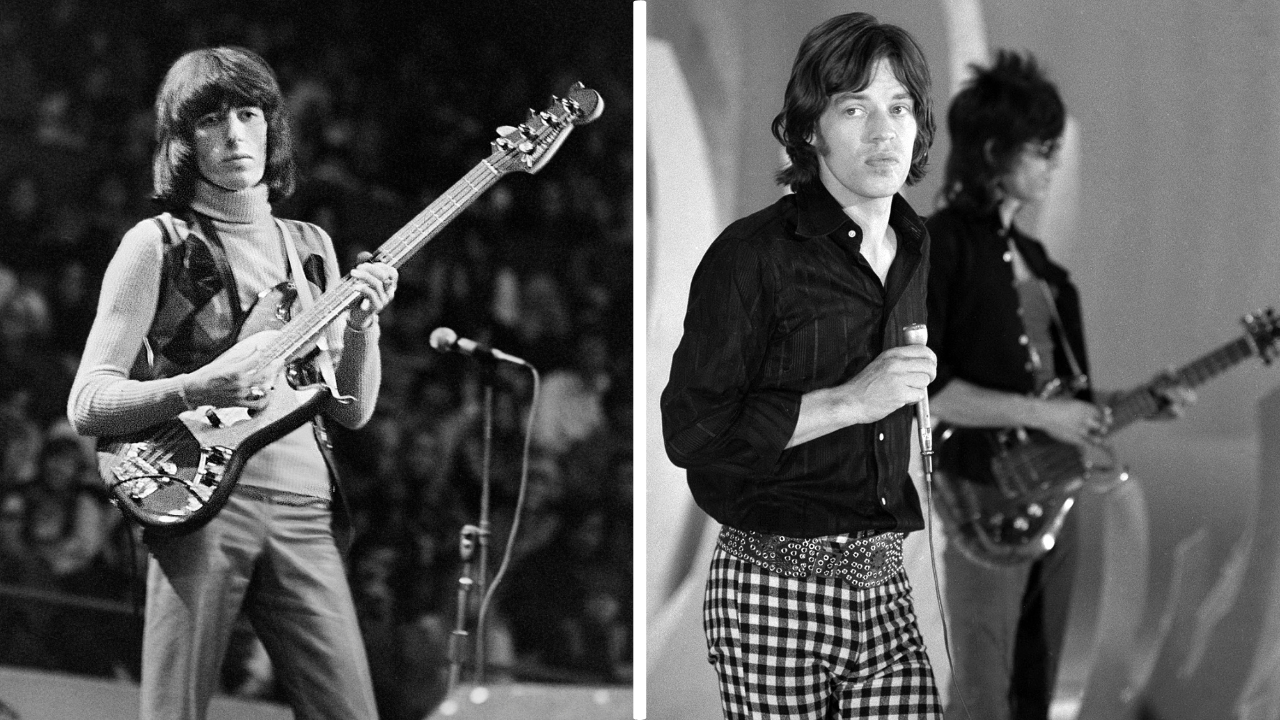
According to Andy Babiuk, author of Rolling Stones Gear: All the Stones’ Instruments From Stage to Studio, in the May 2014 edition of Bass Player: ”When the Stones arrived in the States, they picked up some fender amps, but Bill Wyman preferred to stick with his Vox setup, as he loved its tone and was reluctant to change.”
“Brian jones and Keith Richards each acquired a pair of Sheldon amps,while Vox began supplying them with various models,including the 760 cabinets and heads. For their iconic 1969 Hyde Park concert, they relied on stacks of Hiwatt amplifiers,” Babiuk added.
“The plan was to bring those amps to the US for the tour, but they faced a significant hurdle: the voltage compatibility was incorrect.”
“During rehearsals at Stephen Stills’ residence,they discovered a collection of smaller Ampeg combo amps that they liked. Stills was asked to inquire, ‘Do you have any larger amps? We’re gearing up for a tour.’”
This series of events led the Stones to abandon their initial plans and inadvertently contribute to the launch of one of the most iconic amplifier lines in rock history.
Rich Mandella, who was with Ampeg at the time, recounted, “We had designed the SVT, but only a handful had been built. They hadn’t been thoroughly tested-300-watt heads paired with two cabinets each.”
“They loaded them onto a truck belonging to the Stones,hoping for the best. The Stones became the test subjects for those amplifiers.”
This bold decision revolutionized the Stones’ live sound and laid the groundwork for modern high-powered bass rigs. However, groundbreaking equipment often reveals its limitations in dramatic ways.
“I spoke with some of the Ampeg team who were on that tour. They were anxious every night, unsure if the gear would hold up.They worked on the amps after each show, striving to improve their performance,” one technician recalled.
The Rolling Stones – Honky Tonk women – New York MSG 1969 – improved stereo mix - YouTube
“I believe the incident occurred in Oakland. Just two songs in, the amps failed. You can hear Jagger addressing the audience, saying, ‘We’re trying to sort things out up here. perhaps we’ll play a couple of acoustic numbers.’”
“By the time they reached Madison square Garden,they had amassed a plethora of amps as backups. There were 17 SVTs on stage.It’s astounding-who would have the audacity to use the Stones as test subjects for beta-testing SVTs? But the sound was astonishing.”
With Keith richards connecting his guitar to a 300-watt bass amp and refusing to dial down the volume,the band’s stage levels became legendary.
“Here was Keith Richards using an SVT for guitar-he’s not one to turn down the volume. Bill mentioned that when you see Mick sprinting across the stage near Keith, it’s not for exercise; he’s trying to escape the overwhelming sound!”
“Bill confessed he didn’t want to play at such high volumes, but felt compelled to compete. One night, while standing in front of Keith’s amp, he looked down and saw his trousers vibrating!”
Rock ‘n’ Roll Mayhem: How a Revolutionary Amp Almost Stopped the Rolling Stones’ 1969 US Tour in Its Tracks!
Rock ‘n’ Roll Mayhem: How a Revolutionary Amp Almost stopped the Rolling Stones’ 1969 US Tour in Its Tracks!
The Context of the 1969 US Tour
The Rolling Stones’ 1969 US tour was not just another series of concerts; it was a pivotal moment in rock history. The band was at the height of its popularity, and their performances were characterized by unprecedented crowd sizes and elaborate stage setups. However, behind the scenes, a significant challenge loomed: the need for powerful and reliable amplification.
The Amplification Dilemma
As the Stones prepared for their tour, they faced a logistical nightmare regarding their sound equipment. The British amplifiers they had relied on back home were frequently enough unsuitable for the American market.The band’s growing demand for power and sound quality exceeded what most manufacturers could provide at the time.
Key Amplifiers Used by the Rolling Stones
Amplifier Model
Power output
Notable Features
Fender
Various
Classic rock tone, versatile
Vox
Various
Distinctive chime, favored by Wyman
Ampeg SVT
300 watts
High power, deep bass response
Hiwatt
Various
Robust construction, high fidelity
The Search for the Perfect Amp
As the Stones arrived in the United States, they experimented with various amplifiers. According to Andy Babiuk,author of Rolling Stones Gear,the band initially used Fender amps but Bill Wyman preferred his Vox setup for its unique tone. meanwhile,brian Jones and Keith richards experimented with Sheldon amps and Hiwatt stacks during their Hyde Park performance.
Voltage Compatibility Issues
one of the significant hurdles the band faced was voltage compatibility. The amps they intended to use were not set up for the American electrical system, wich posed a risk to their performances. This issue forced the band to rethink their amplification strategy.
The Ampeg SVT: A Game Changer
During rehearsals at Stephen Stills’ home, the Stones discovered a collection of Ampeg combo amps.They were impressed and requested larger models for their tour. This led to the introduction of the Ampeg SVT, a revolutionary amplifier that would change the landscape of rock music.
why the SVT Was Revolutionary
High Power Output: At 300 watts, the SVT was one of the most powerful amplifiers available, capable of delivering deep bass tones that were perfect for rock music.
Durability: Designed for the rigors of touring, the SVT was built to withstand the demands of live performances.
Sound Quality: The SVT provided a rich, full sound that enhanced the band’s live performances, making it a favorite among musicians.
On the Road: The challenges of Live Performance
As the tour progressed, the Stones faced numerous challenges with their new equipment. The Ampeg SVT amplifiers were untested in a live setting, and the band quickly became aware of their limitations.
Nightly Anxieties
Technicians from Ampeg who traveled with the band reported feeling anxious every night, unsure if the amplifiers would perform as was to be expected. They worked tirelessly after each show to troubleshoot and improve the equipment.
Iconic Moments of the Tour
One of the most memorable incidents occurred during a performance in Oakland. Just two songs into the set, the amps blew up, leading Mick Jagger to apologize to the audience, saying, ”We’re trying to get it together up here. Maybe we’ll do a couple of acoustic ones.” This moment highlighted the unpredictability of live rock performances.
Backup Plans and Innovations
By the time the band reached Madison square Garden, they had amassed a staggering 17 SVT amplifiers on stage as backups. This was a bold move, showcasing their commitment to delivering the best possible sound to their fans.
Legacy of the 1969 US Tour
The challenges faced by the Rolling Stones during their 1969 US tour not only shaped their performances but also had a lasting impact on the music industry. The introduction of the Ampeg SVT set a new standard for amplification in rock music, influencing countless musicians and bands in the years to come.
Benefits of High-Powered Amplification
Enhanced Sound Quality: High-powered amplifiers like the SVT provide a fuller, richer sound that enhances live performances.
Increased Reliability: Modern amplifiers are designed to withstand the rigors of touring, ensuring consistent performance.
Greater Flexibility: With powerful amps, musicians can experiment with different sounds and styles, pushing the boundaries of their music.
First-Hand Experiences
Many musicians who toured with the stones during this era have shared their experiences,highlighting the excitement and unpredictability of live performances. The camaraderie among the band members and crew, coupled with the challenges of using untested equipment, created an unforgettable atmosphere.
Join the Beatbounty Community
If you’re passionate about music and want to connect with like-minded individuals, consider creating an account on the Beatbounty platform. Share your experiences, submit ads, and engage with a vibrant community of music enthusiasts!