Strumming Legends: Brian Robertson Reveals the Truth Behind Gary Moore's Iconic Les Paul and Thin Lizzy's Rock 'n' Roll Adventures!
0 reactions
6 hours ago
Beatbounty
Brian Robertson Reflects on Thin Lizzy’s Legacy adn His Iconic Guitar Journey
Four decades after the untimely departure of the magnetic Phil Lynott, Thin Lizzy continues to resonate beyond the confines of hard rock. Lynott’s ageless songwriting, combined with the remarkable talents of various guitarists, has birthed a treasure trove of classic tracks that have influenced a wide array of artists, from Metallica to Primal Scream.
The Golden Era of Thin Lizzy
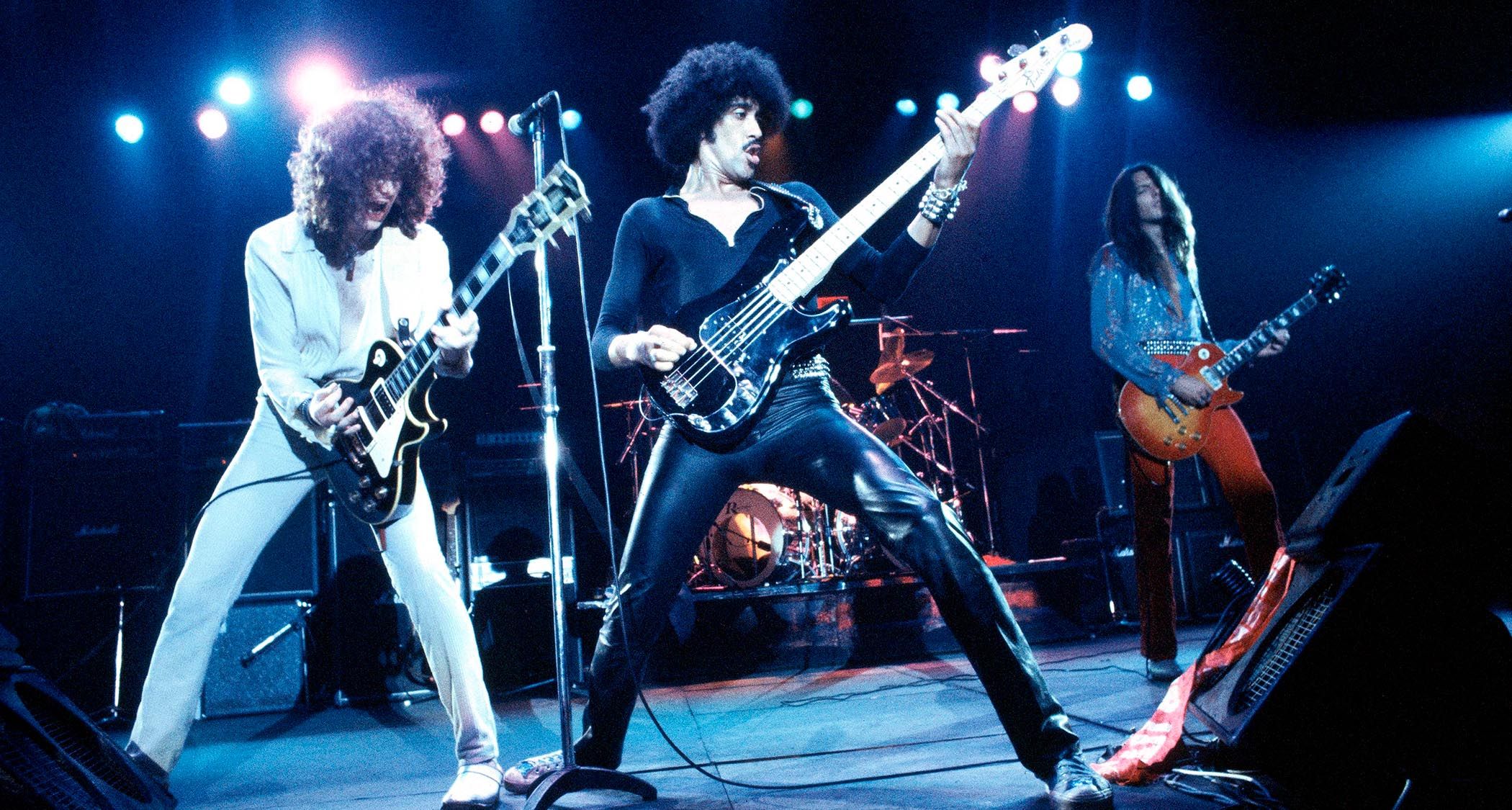
The band’s most impactful and celebrated works emerged between 1974 and 1978, featuring the dynamic lineup of Lynott, drummer Brian Downey, and guitarists Scott Gorham and Brian ‘Robbo’ Robertson. This period marked the zenith of their creative output, culminating in the electrifying live album, Live And Dangerous, released in 1978.
Robertson’s Impact on Thin Lizzy
Although Robertson’s time with Thin Lizzy was marked by challenges, his contributions as a lead guitarist and co-writer of the band’s signature twin-guitar harmonies were pivotal in shaping their distinctive sound.His influence is palpable in the band’s most iconic tracks, which continue to inspire musicians today.
A Journey Beyond Thin Lizzy
After departing from Thin Lizzy in July 1978, Robertson went on to record two albums with Wild Horses, which have recently been remixed and included in the Standing Our Ground – complete Recordings 1978-1981 box set. He later collaborated with legendary acts like Motörhead and Scottish singer Frankie Miller.
Throughout the 1990s and 2000s, Robertson primarily worked as a session musician and producer. In 2011, he released his debut solo album, Diamonds & Dirt, which was reissued in May of this year as diamonds & Dirt: Expanded Edition, featuring a previously unreleased instrumental album.
Reflecting on the Past
Though he has enjoyed a peaceful retirement since the original release of Diamonds, the reissue has inspired Robertson to share his memories with Guitarist, reminiscing about the golden days of Thin Lizzy.
Admiring Eric Bell’s Guitar work
Robertson, who was a fan of Thin Lizzy’s Vagabonds Of The Western World, recalls being captivated by Eric Bell’s guitar playing. “There was a hint of Hendrix in his style, but also a Celtic essence that drew me in,” he reflects.
Influences and Inspirations
Peter Green stands out as a important influence for Robertson. He cites Fleetwood Mac’s Blues Jam At Chess as a pivotal album that inspired him to explore Les Paul guitars.”I had the chance to play Gary Moore’s Les paul from the Lizzy days,but it was a challenge due to its high action,” he admits,noting Moore’s larger hands made it even more arduous.
Legacy of the Les Paul Deluxe
Robertson’s beloved Les Paul Deluxe, affectionately dubbed the “Auld Bitch,” was a gift upon joining Thin Lizzy. “It was my first Les Paul, and I think it was still on hire purchase when I got it,” he laughs. Regrettably, it was stolen in 2010 but miraculously resurfaced a decade later on Facebook Marketplace, leading to a reunion with the guitar.
A Unique Hollow-Bodied Les Paul
In addition to the Deluxe, Robertson also owned a rare 1953 hollow-bodied Les Paul, customized by Les Paul for his wife, Mary Ford. “I traced its history through Mick Ralphs’ roadies, who confirmed its origins,” he explains. Although he only used it for a couple of gigs due to feedback issues, it held a special place in his heart.
Joining Thin Lizzy
Robertson’s journey with Thin Lizzy began in February 1974, thanks to a recommendation from roadie Charlie McLennan. After impressing drummer Brian Downey with his guitar skills, he moved to London and successfully auditioned for the band. “Thay were auditioning daily, and I remember thinking the othre candidates just didn’t measure up,” he recalls.
Final Thoughts
Reflecting on his time with Thin lizzy, Robertson emphasizes the camaraderie he shared with his bandmates, notably with Gary Moore. “The media often tries to create rivalries where none exist. I always respected Gary, and any comments made were just in jest,” he concludes.
Brian Robertson Discusses His Journey with Thin Lizzy and Musical Influences
When Brian Robertson joined Thin Lizzy, the chemistry among the band members was palpable, especially with drummer Brian Downey.”No matter what song they called out, I was already familiar with them,” he recalls, mentioning how he confidently threw “Gonna Creep Up On You” back at them, showcasing his skills with the wah-wah pedal.
The Right Fit: Scott Gorham’s Entry
Robertson joined the band slightly before guitarist Scott Gorham. “Phil made the final call as he liked Scott’s appearance and American background,” he explains.However, Robertson and Downey had their doubts about Gorham’s abilities at that time. “He could play the basic chords, but his lead playing was lacking. As an example, during a minor blues, he would frequently enough play in a major key, which didn’t sit well with us,” he admits.
Early Dynamics and styles
Scott Gorham himself acknowledged that Robertson was the more advanced lead guitarist in the early days. ”Scott was primarily a rhythm player back then. His solos were meticulously crafted rather than spontaneous,” Robertson notes. In contrast, he preferred to jam freely, often suggesting they run through a track multiple times to capture the essence of their improvisation.
Robertson would create riffs and melody lines, often starting with simple tape echo effects. “I would show Scott the easiest parts to play, layering my parts on top,” he adds, emphasizing his instinctive approach to music.
Influences and inspirations
While some might assume that Fleetwood Mac’s harmonies influenced him, robertson clarifies, ”I was more focused on lead guitar work than harmonies. Bands like Wishbone Ash and the Allman Brothers, particularly their live album At Fillmore East, had a significant impact on me.” This focus on lead playing shaped his unique style within Thin Lizzy.
Pressure to Succeed: The Making of Classic Albums
In 1976, Thin Lizzy released the iconic albums Jailbreak and Johnny The Fox. Robertson reflects, “We were aware that our contract was up for renewal, but we didn’t realize how precarious our situation was. We thought everything would be fine.” He admits to having a soft spot for Johnny The Fox, despite the pressure surrounding its production.
The rapid turnaround between albums created tension within the band. “There was more collaboration on Johnny The Fox compared to Jailbreak, which led to some stress,” he laughs, acknowledging the challenges of working under pressure.
Transitioning to Wild horses
After suffering a hand injury at the Speakeasy, Robertson assumed he had been let go from Thin Lizzy and began forming Wild Horses with former Rainbow bassist jimmy Bain. “When they invited me back for the Bad Reputation album, I had already started Wild Horses and went in as a session player,” he explains.
Upon his return, he found the band in a state of disarray.”There were no harmonies on the riffs, just Scott’s guitar. I had to double everything,” he recalls. He contributed significantly to tracks like “Dancing In The Moonlight,” layering augmented chords similar to those in “The Boys Are Back In Town.” “I was frustrated with how my contributions were handled, especially regarding the album cover,” he admits.
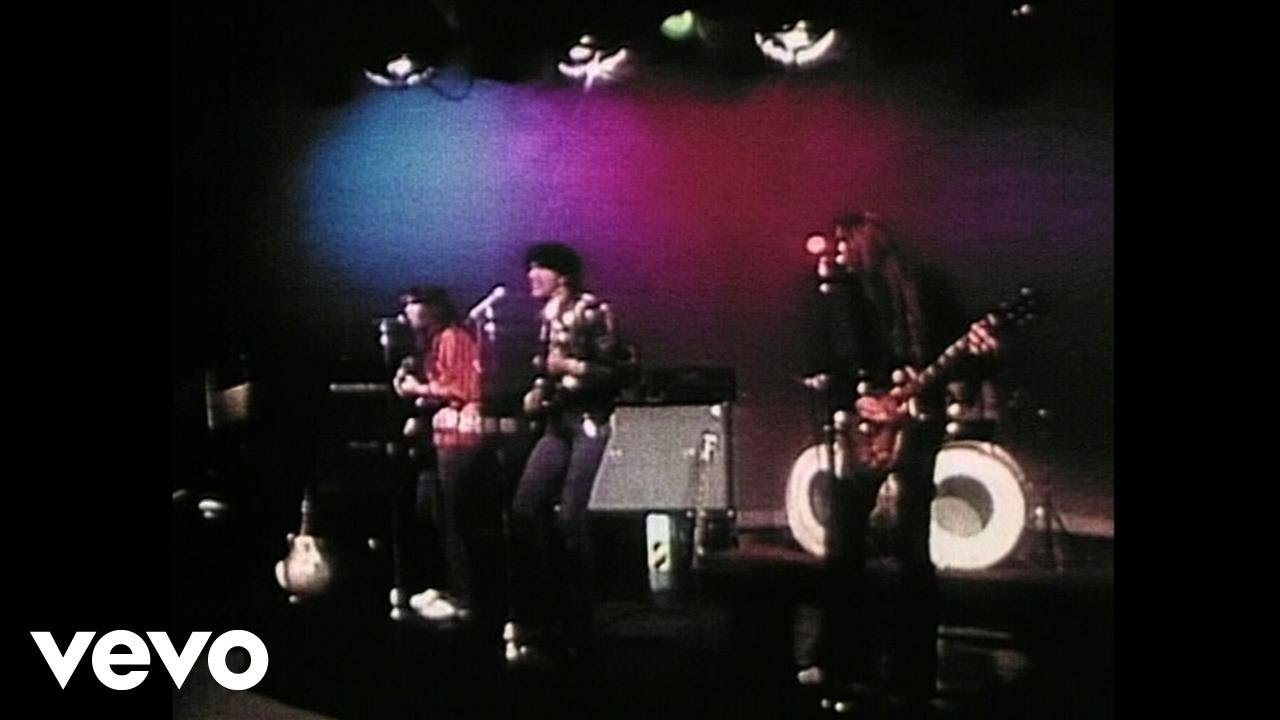
Thin Lizzy – The Boys are Back In Town (Official Music Video) – YouTube
Watch On
Brian Robertson Reflects on His Time with Thin Lizzy and Musical Evolution
After participating in the Bad Reputation tour and the subsequent Live And Dangerous performances, Brian Robertson departed from Thin Lizzy in July 1978. He clarifies,”There was no dramatic fallout; it was more of a gradual realization that it was time to return to Wild Horses.” He chuckles, noting that the situation simply fizzled out rather than erupting into conflict.
A Lasting Bond with Phil Lynott
Robertson maintained a strong friendship with Phil Lynott until the end of Lynott’s life. ”Phil and Gary both made guest appearances with Wild Horses, and Phil along with scott contributed writing credits to our debut album, which shows that our relationship remained kind,” he affirms.
Transitioning to Gary Moore
Following Robertson’s departure, Gary Moore stepped in to record the Black Rose album. Although Robertson had performed tracks like “Waiting For An Alibi” and ”S & M” live, he expressed his thoughts on the album, stating, “I wasn’t fond of the sound; it felt overly compressed and lacked clarity in the guitar work. The band’s identity seemed to shift a bit. My sound was characterized by a rich, clean tone, while the sound post-departure felt diminished.”
Legacy of Live Performances
Moore later remarked that the lineup featuring Robertson and Scott Gorham was his favourite. Many fans regard Live And Dangerous as Thin Lizzy’s quintessential album, highlighting the band’s prowess on stage. Robertson agrees, stating, “We really established ourselves as a live act. On good nights, I would pick up on the accents that Downey was playing, and Phil would respond, creating a dynamic interplay while Scott was soloing. We thrived on live performances, especially since we were doing two world tours each year,” he laughs.
Strumming Legends: Brian Robertson Reveals the Truth Behind Gary Moore’s Iconic Les Paul and Thin Lizzy’s Rock ‘n’ Roll Adventures!
Strumming Legends: Brian Robertson Reveals the Truth Behind Gary Moore’s Iconic Les Paul and Thin Lizzy’s Rock ‘n’ Roll Adventures!
The Legacy of Thin Lizzy
Thin Lizzy, formed in 1969, is one of the most influential rock bands to emerge from Ireland.With their unique blend of hard rock and traditional Irish music, they captured the hearts of fans worldwide. The band’s iconic sound was largely shaped by the contributions of legendary guitarists, notably Brian Robertson and Gary Moore.
Brian Robertson: The Guitar Virtuoso
Brian Robertson, often referred to as “Robbo,” joined Thin Lizzy in 1974 and quickly became known for his exceptional guitar skills and songwriting abilities. His partnership with Scott Gorham created the band’s signature twin-guitar harmonies, which became a hallmark of their sound.
Influence of Gary Moore’s Les Paul
Gary Moore’s Les Paul guitar is a meaningful part of rock history. Known for its rich tone and sustain, the Les Paul has been a favorite among many guitarists, including Robertson. Here are some key points about the iconic instrument:
Model: Gibson Les Paul Standard
Year: 1959, one of the most sought-after models
Features: Mahogany body, carved maple top, and dual humbucker pickups
Sound: warm, thick tones with excellent sustain, perfect for rock solos
Brian’s Experience with Gary Moore’s Les Paul
Robertson had the opportunity to play Gary Moore’s Les Paul during their time together. He recalls, “It was quite a challenge; the action was horrendous, and Gary had big hands.” This firsthand experience highlights the unique characteristics of the guitar and the challenges it presented to different players.
Comparing Guitar Styles
while both Robertson and Moore are celebrated for their guitar prowess, their styles differ significantly:
Feature
Brian Robertson
Gary Moore
Playing Style
Melodic and improvisational
Blues-influenced with emotional depth
Signature Sound
Rich harmonies and riffs
Powerful solos with a bluesy tone
Influences
Thin Lizzy’s Irish roots
Blues legends like Peter green
The Impact of Thin Lizzy’s Music
Thin Lizzy’s music has left an indelible mark on the rock genre. Their albums, particularly Jailbreak and Live and Risky, are considered classics. The band’s ability to blend hard rock with storytelling and emotional depth resonated with fans and influenced countless artists.
Key Albums and Their Importance
Jailbreak (1976): Featured hits like “The Boys Are Back in Town,” showcasing their signature sound.
Live and Dangerous (1978): A live album that captures the energy of their performances, often regarded as one of the best live albums in rock history.
Black rose (1979): Marked a shift in sound with Gary Moore’s influence, introducing a more polished production style.
Benefits of Playing the Les Paul
For guitarists, the Les Paul offers several advantages:
Versatility: Suitable for various genres, from rock to jazz.
Rich Tone: Known for its warm, full sound, ideal for solos and rhythm playing.
Durability: Built to withstand the rigors of touring and live performances.
Practical Tips for Aspiring Guitarists
If you’re inspired by the legends of rock and want to improve your guitar skills, consider these tips:
Practice Regularly: Consistency is key to mastering the guitar.
Learn from the Masters: Study the techniques of guitarists like Brian Robertson and Gary moore.
Experiment with Gear: Try different guitars and amplifiers to find your unique sound.
First-Hand Experiences from Brian Robertson
Robertson’s journey through the rock world is filled with memorable moments. he recalls the thrill of performing live with Thin Lizzy, stating, “We built ourselves as a live act.If we were having a good night, I would pick up on accents that Downey was playing, and Phil would latch onto it. We enjoyed playing live.” This camaraderie and spontaneity were essential to their performances.
Case Studies: The Influence of Thin Lizzy on Modern Rock
Thin Lizzy’s impact can be seen in various modern rock bands:
Metallica: Cited Thin Lizzy as a significant influence on their early sound.
Primal Scream: Acknowledged the band’s blend of rock and roll with other genres.
Foo Fighters: Dave Grohl has expressed admiration for Thin lizzy’s musical legacy.
join the Beatbounty Community
If you’re passionate about music and want to connect with fellow musicians, consider creating an account on the Beatbounty platform. share your experiences, submit ads, and engage with a community that celebrates the spirit of rock ‘n’ roll!