In his latest album, Soho Sessions, Italian jazz guitarist andrea Rinciari honors the music that his quartet has been performing weekly for several years.
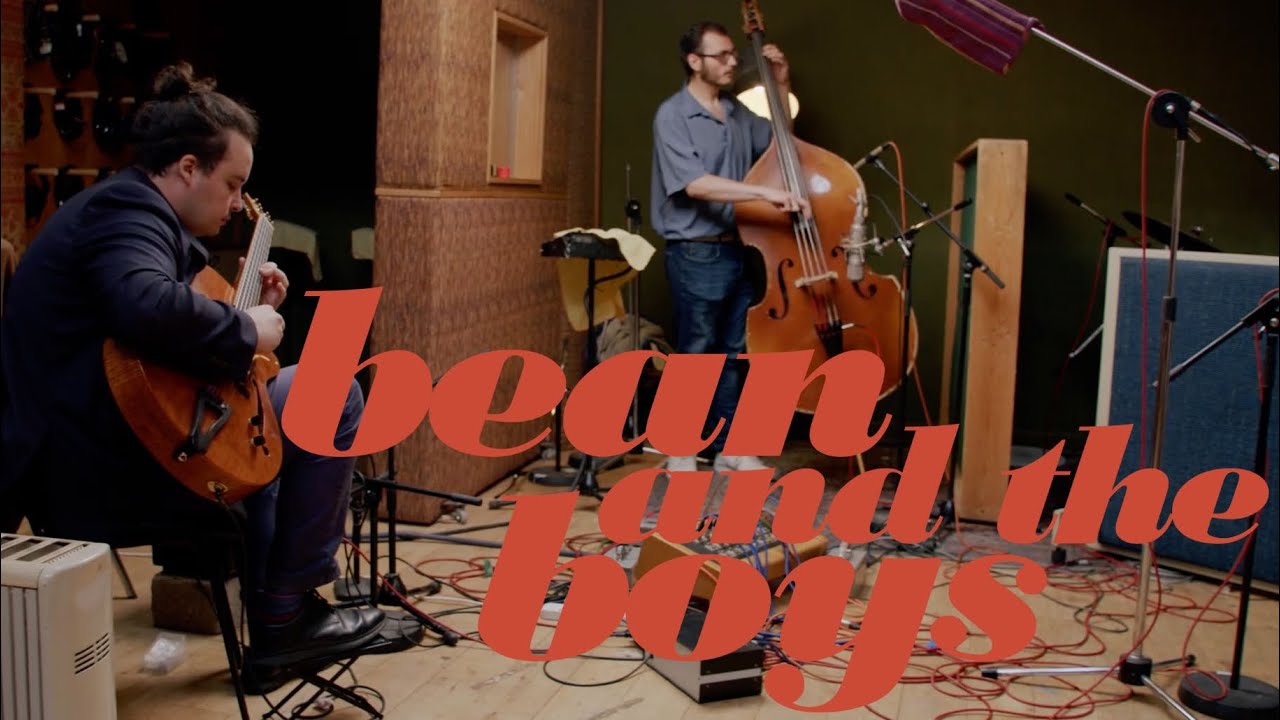
This collection features eight tracks, including rinciari’s interpretations of Bean And The Boys, originally covered by his mentor Barry Harris, alongside other jazz standards such as Tea For Two, I Can’t Get Started, and Carvin’ The Rock.
The album showcases remarkable performances, especially highlighting the synergy between Andrea and tenor saxophonist Alex Garnett, as they weave melodies together and seamlessly complete each other’s musical phrases.
The Essence of Live performance
Andrea describes this album as a culmination of extensive live performances: “It evolved organically after years of playing in a specific style,” he shares.
“This ensemble emerged from those regular gigs. What you hear on the record is merely a glimpse of the vast repertoire we mastered, ranging from classic American Songbook pieces to more complex compositions that posed challenges on the guitar.”
influences and Inspirations
When Andrea chose to delve into jazz guitar, he found guidance in the works of Wes Montgomery and Joe pass.
“Transcribing their solos was instrumental in my development,” he reflects.”Their joy in music is palpable and continues to inspire me.Even later in their careers, they maintained a freshness and enthusiasm that is remarkable.”
“Both artists taught me how to navigate specific notes during chord transitions.wes had a pure, creative approach, while Joe was more systematic in his method.”
The Guitar That Speaks to Me
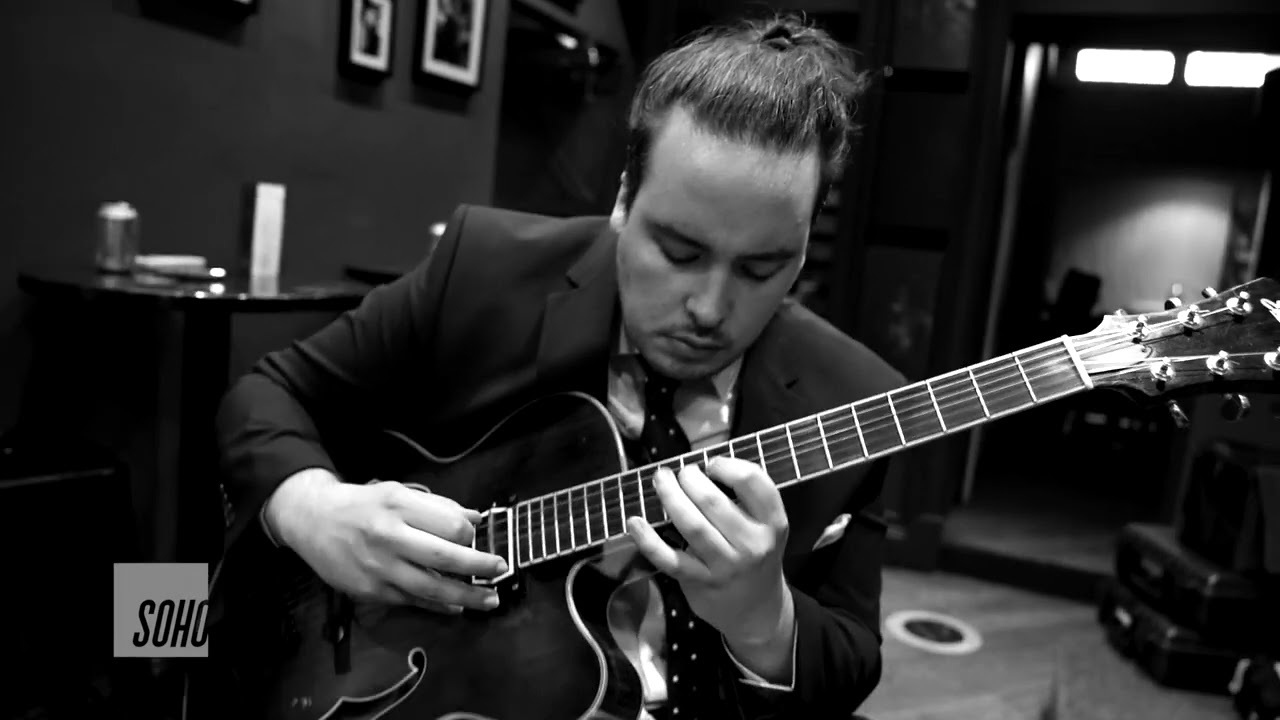
every guitarist has that one instrument they gravitate towards, and for Andrea, it’s his Fibonacci Ambassador, a custom-designed guitar that has become his unofficial signature model.
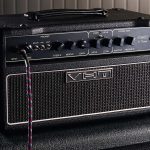
“It’s a stunning guitar with 20 frets, crafted to my specifications. It features a rare floating Charlie Christian pickup that is no longer manufactured. I pair it with a Henriksen Blu amp, known for its clarity and punch. I prefer to utilize the natural reverb of the room for a more authentic sound.”
Lessons Beyond the Classroom
Andrea credits american bebop legend barry Harris for mentoring him and providing essential tools for his growth.
“I was fortunate to learn directly from him,” he recalls. “His teaching style helped me grasp the intricacies of jazz. I would accompany a solo before transcribing it. Immersing myself in the music is crucial. Currently,I warm up with charlie Parker’s solo on Cherokee.
“The goal is to play instinctively, without overthinking the notes. Afterward, I take phrases and experiment with them-altering the beginnings and endings, changing rhythms, or shifting the direction of the lines. This process ultimately helps me develop my unique musical voice.”
The Art of Minimalism
Listening to Soho Sessions, one can appreciate how much of the sound is derived from a careful selection of notes.
“This concept stems from Jim Hall and my influences from piano players,” andrea explains. “I admire Sonny clark’s comping style. He frequently enough opted for two or three notes rather of ten; Thelonious Monk did the same. I aimed to translate that approach to the guitar, using small clusters to create my own voicings.”
“Typically, I’ll play a bass note with a pick and then a couple of higher notes with my fingers, mimicking a pianist’s technique.”
Reimagining Classics: Rinciari’s Take on Polka Dots and Moon Beams
“This piece was famously covered by my idol bud Powell on his 1954 album, The Amazing Bud Powell, Vol. 2, which remains one of my all-time favorites.It presents a challenging arrangement. My goal was to replicate his piano techniques on the guitar.
“The chords shift with counterpoint melodies that are tricky to reproduce, but with dedication, anything is achievable.I admire how he crafted these tunes with a classical touch, almost writing fugues.”