Alex Lifeson: A Journey Beyond Rush’s Legacy
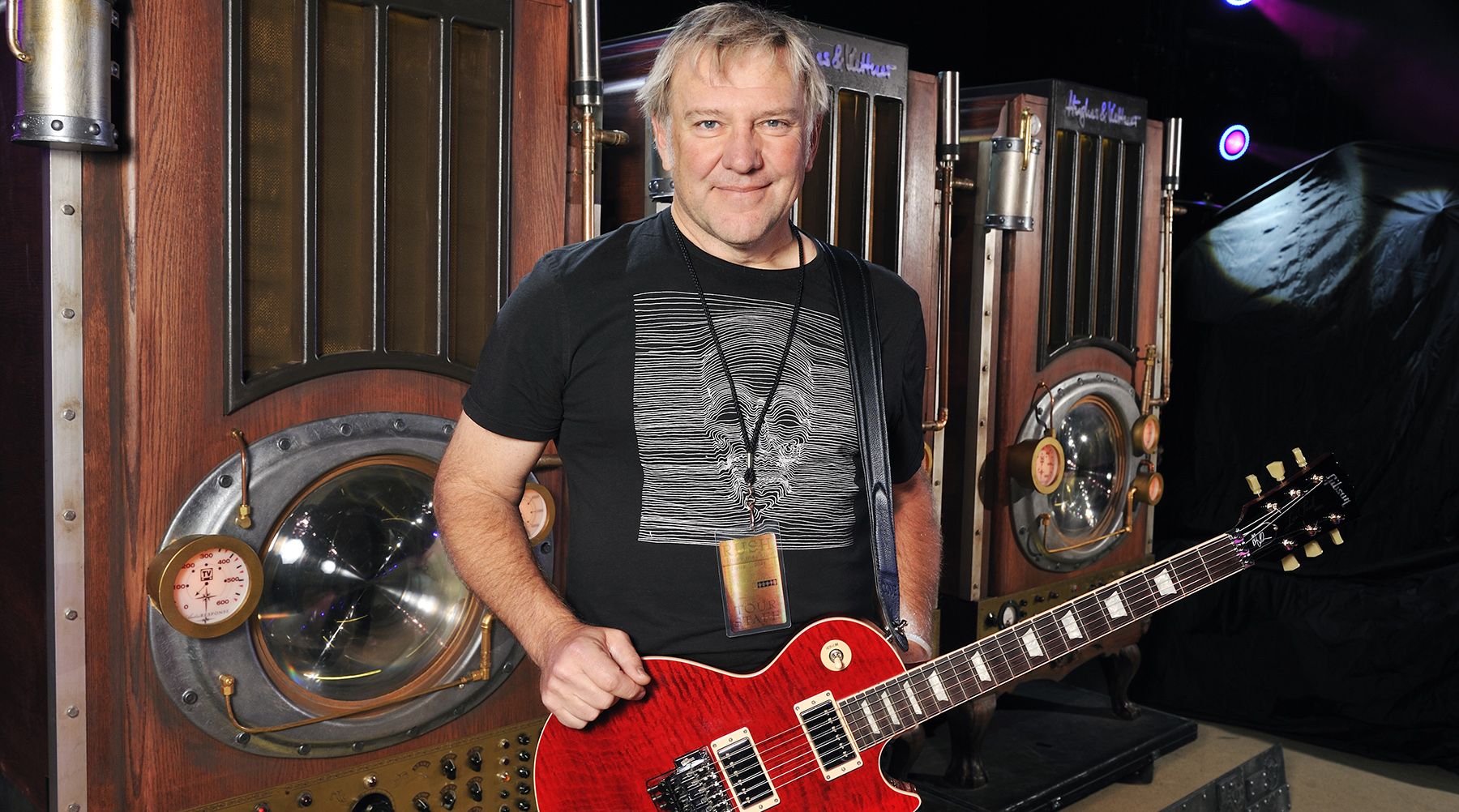
Throughout the 11-year hiatus of Rush, Alex Lifeson remained active in the music scene. He collaborated on two albums with his band Envy of None, contributed to various artists’ projects across genres, and developed an unexpected trend: leaving musicians who sought his expertise feeling let down.
The Weight of Expectations
For a guitarist of Lifeson’s caliber, disappointing others seems counterintuitive. Artists don’t reach out to him for a generic session player; they seek the creative force behind Rush’s signature sound, known for its intricate textures and innovative chord progressions.
However, Lifeson aimed to break free from these expectations.
A History of Collaboration
Before Rush’s apparent retirement in 2015, Lifeson had already made guest appearances on various projects, including a memorable guitar solo on Porcupine Tree’s “Anesthetize” and contributing to the Canadian band Platinum Blonde in 1986.
Yet, after the final tour, Lifeson’s approach shifted. He was no longer interested in merely reminding fans of Rush’s glory days; he sought to explore new musical avenues.
Embracing the Unexpected
“In the last four years, I’ve been involved in various projects,” he shared with Sweetwater in 2020, reflecting on his post-Rush collaborations. “What intrigues me is that when someone invites me to play on their record, they likely expect to hear Alex Lifeson.”
But as fans of rush know, Lifeson has always been about evolution.
“What I enjoy is completely surprising them and doing something they wouldn’t anticipate,” he remarked with a grin. “I love coming out of left field, and that’s incredibly fun for me.”
Exploring New Musical Landscapes
One of his first significant collaborations after Rush was with Triumph’s Rik Emmett on the album RES9, where Lifeson showcased customary blues-rock solos, proving he could still navigate familiar musical territory when desired.
However, things took a more experimental turn thereafter. While collaborating with Marco Minnemann on Borrego, lifeson delved into unconventional effects, reversed guitar segments, and avant-garde textures.
His collaboration with Fu Manchu, a stoner-rock band from Orange County, marked a departure from his usual lead guitar role. Rather, he focused on creating atmosphere, rhythm, and noise. “The track was already rich with guitar riffs, which pushed me to think in terms of rhythm and ambiance,” he explained to Guitar World in 2018.
According to Fu Manchu guitarist Scott Hill, Lifeson delivered precisely what he aimed for: “fantastic riffs, sci-fi effects, and pick slides.” The expansive 18-minute track allowed Lifeson to explore the sonic landscape fully.
Collaborations with Rock Legends
in 2019, Lifeson joined forces with rock icons like Slash, joe Satriani, and Mick Fleetwood on don Felder’s American rock ‘N’ Roll. That same year, he contributed mandolin and ambient guitar sounds to The Mute Gods’ Atheists and Believers.
Perhaps his most unconventional appearance was on Tom Morello’s track “I Have Seen the Way,” where he shared guitar duties with Metallica’s Kirk Hammett. The song featured electronic glitches and heavily processed tones, a stark contrast to the classic prog-rock image many fans still associate with him.
Redefining His Sound
Lifeson was not looking to recreate his past; he sought projects that challenged him and allowed for experimentation without falling into the trap of self-parody.
“A lot of what I’m doing now involves manipulating guitar sounds so they don’t even resemble a guitar,” he explained. “Sometimes it sounds like brass, other times like a violin, or just rhythmic noise. Ther are countless ways to process the instrument.”
After a lifetime of being recognized as Alex Lifeson, the guitarist spent the years following Rush exploring how to surprise those who thought they knew his sound.
The Future of Progressive Rock
With Rush back in the conversation and the potential for new music on the horizon, Lifeson’s years of experimentation may prove invaluable. The past decade has not only introduced him to new collaborators but also equipped him with fresh tools and instincts, perhaps paving the way for a new chapter in progressive rock.