Embracing Individuality: Zakk Wylde on Making Guitar Solos Your Own
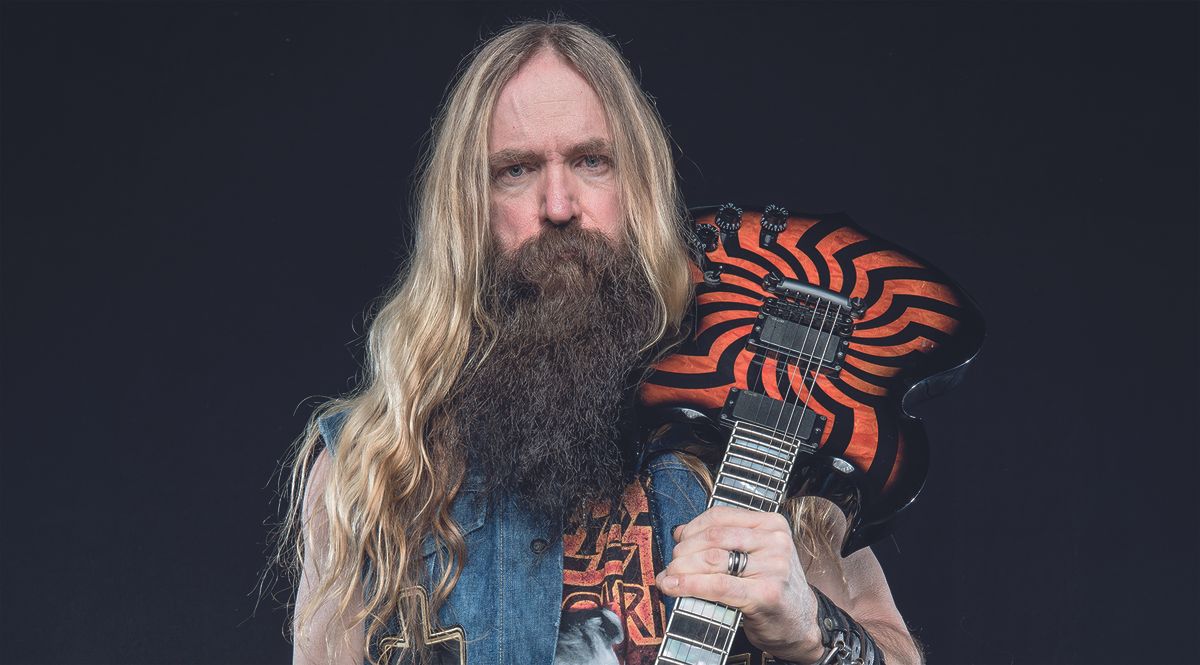
John Mayer once likened the act of playing blues solos exactly as they are to “reciting last night’s lottery numbers.” However, Zakk Wylde argues that musicians don’t need to wholly overhaul a guitar solo to infuse it with their personal flair. The secret,he asserts,lies in “the artistry of the guitar.”
Throughout his illustrious career, Wylde has consistently showcased his originality, crafting some of Ozzy Osbourne’s moast memorable riffs. Yet, he has also dedicated notable time to interpreting the solos of others.From honoring the legendary Randy Rhoads and Jake E. Lee while collaborating with the Prince of Darkness to paying tribute to Dimebag Darrell in Pantera, Wylde has mastered the art of personalizing solos while remaining true to their essence.
Drawing from his extensive experiance, Wylde emphasizes that while the notes may remain unchanged—as fans crave those familiar sounds—the true transformation comes from the nuances of articulation, string bends, and pick attack.These elements are what distinguish each guitarist and make their performances unique.
Signature Sounds and Improvisation
“When you’re playing a signature solo, like Dime’s in ‘Walk,’ it’s essential to capture that essence,” he explains in an interview with UK music retailer Andertons. “If we’re both playing the solos to ‘Hotel California’ with the Eagles, it’s crucial to replicate those solos as they appear on the record. though, for other pieces where improvisation is welcome, you can explore provided that you stay within the E Minor scale and touch on those signature notes.”
He adds, “For iconic tracks like ‘Hotel California’ or ‘stairway to Heaven,’ if Dime were to play my parts note-for-note, it would still carry his unique touch and feel.”
Collaborative Creativity in Generation Axe
Another platform where Wylde showcases his versatility is Generation Axe, a supergroup akin to G3, founded by the legendary Steve Vai. In this ensemble, he collaborates with a remarkable lineup of guitar virtuosos, tackling rock anthems ranging from “Bohemian Rhapsody” to “Hocus Pocus.”
“Every time we perform with Generation Axe, whether it’s with Steve Vai, nuno Bettencourt, Tosin Abasi, or Yngwie Malmsteen, each guitarist can express their individuality with just a single note or a simple vibrato,” he shares. “You can instantly recognise their unique tone and feel.”
“I can identify who’s playing just by hearing one note,” he continues. “For instance, if I hear a single note from Tosin, I immediately know it’s him.The same goes for Nuno; within two notes, I can tell it’s his signature sound.”
the Essence of Guitar: A Unique Flavor
“That’s the beauty of the guitar,” Wylde reflects. “You can take the same scale and have two different musicians play it, yet it will sound entirely different. They’re using the same ingredients in the soup, but it results in two distinct bowls of soup. I find that absolutely remarkable.”
Borrowing in Music: A Longstanding Tradition
On the subject of note-for-note performances, Gene Simmons has reignited his feud with Ace Frehley by recounting a peculiar moment during the writing of “She” from the 1975 album “Dressed To Kill.” He claims that Frehley borrowed a solo from Robby Krieger of The Doors for “Five to One” and attempted to pass it off as his own.
This isn’t the first time artists have drawn inspiration from others. The Beach Boys famously borrowed the essence of Chuck Berry’s “Sweet Little Sixteen” for their hit “Surfin’ USA,” and Neil Young has openly admitted to lifting a melody from The Rolling Stones. However, Frehley’s incident might just take the cake for the most audacious example of musical borrowing.