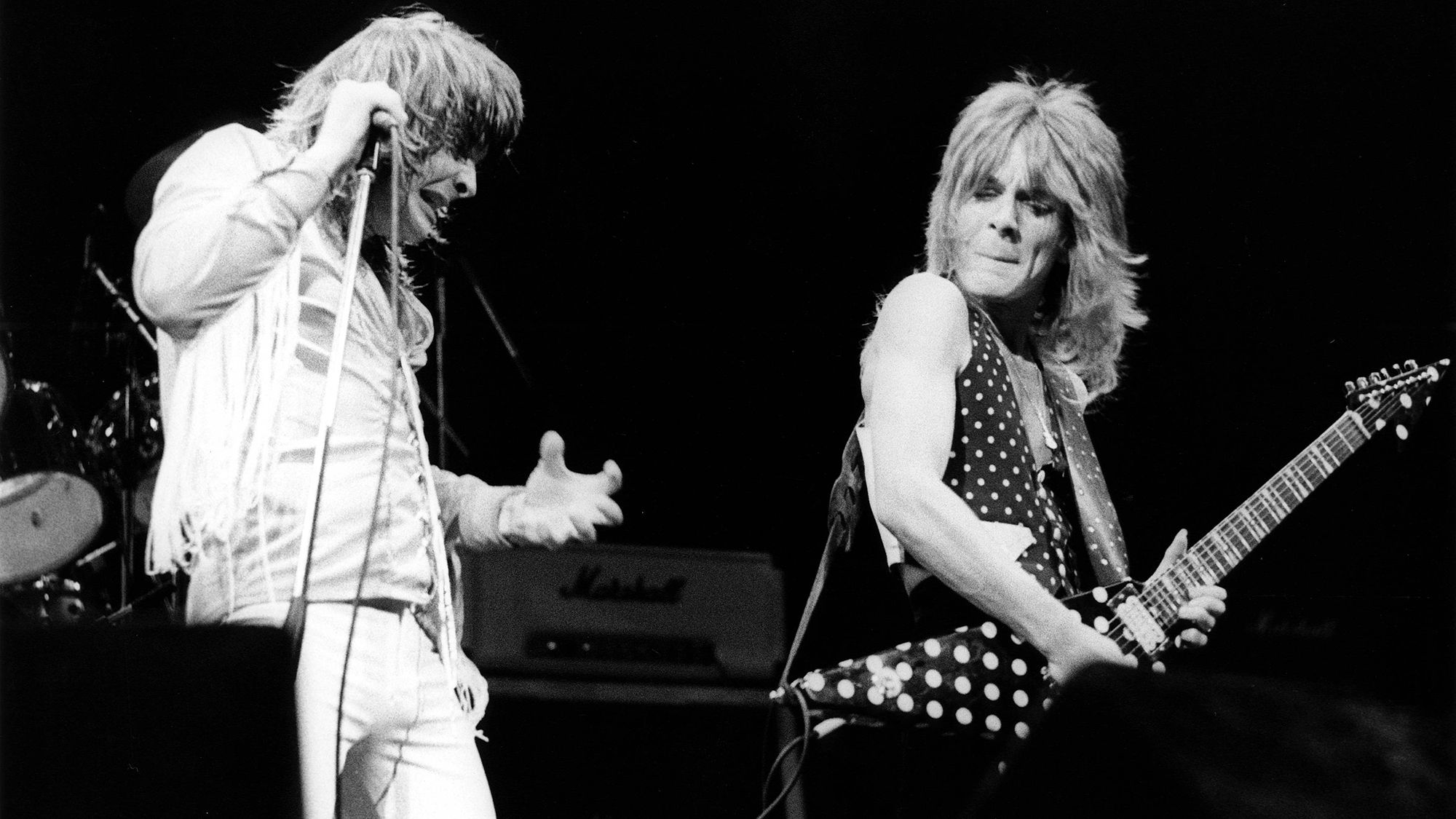
Randy Rhoads’ Concerns: The Story Behind ‘Diary of a Madman’
In the early 1980s, Ozzy Osbourne embarked on a solo journey, aided by the extraordinary talent of Randy Rhoads. Within just 18 months,they produced two iconic albums: Blizzard of Ozz and Diary of a Madman.
These albums are often hailed as some of osbourne’s best work, with Classic Rock placing them at the top of their rankings. However, despite their acclaim, Rhoads had some reservations about Diary of a Madman during its creation.
Rhoads’ Hesitations
According to Kathy Rhoads, Randy’s sister, the guitarist felt that the rapid pace of the recording process hindered the quality of the music. In early 1981, as they prepared to record Diary of a Madman, the urgency to tour the U.S. and have enough material for live performances led to a rushed studio experience.
This fast turnaround did not sit well with Rhoads, who was known for his meticulous nature.He believed he required more time to refine his guitar parts, and the pressure of the timeline left him feeling that he hadn’t fully realized his potential on the album.
the Recording experience
During the six-week recording session at Ridge Farm Studios, Rhoads expressed concerns about the quality of the final product. He worried that the speed of production would compromise the album’s integrity, stating, ”it was too quick. I don’t feel I did my best.”
Despite his self-doubt, the album turned out to be a monumental success. Rhoads himself later reflected on his performance, admitting in an interview with Guitar World that certain aspects of his playing made him “cringe.”
Legacy of ‘Diary of a Madman’
Randy’s sister shared insights into his perfectionism, noting how he often critiqued his performances and equipment. “He was always worried about his gear,” Kathy recalled, illustrating the pressure he felt even in the limousines after shows.
Rhoads’ contributions to Diary of a Madman have solidified its status as a landmark guitar album. His former bandmate, bassist Bob Daisley, regards it as a prime example of Rhoads’ remarkable talent, showcasing his innovative guitar work that influenced generations of musicians.
Ultimately, despite rhoads’ personal critiques, Diary of a Madman stands as a testament to his brilliance, ensuring his legacy as one of the greatest guitarists in history. The album not only defined his career but also left an indelible mark on the world of rock music.
Randy Rhoads’ Hidden Doubts: The Untold Story Behind ‘Diary of a Madman’
The Genesis of ‘Diary of a Madman’
In the early 1980s, Randy Rhoads emerged as a revolutionary force in rock music, collaborating with Ozzy osbourne to create two of the most iconic albums in heavy metal history: Blizzard of Ozz and Diary of a Madman. Released in 1981, Diary of a Madman showcased Rhoads’ unusual guitar skills and songwriting prowess, yet it was also marked by his personal insecurities and doubts.
Rhoads’ Perfectionism
Randy Rhoads was known for his meticulous nature and perfectionist tendencies. his sister, Kathy Rhoads, revealed that he often critiqued his performances harshly. This self-critical attitude stemmed from his desire to produce the best possible music. During the recording of Diary of a Madman, rhoads felt the pressure of time constraints, which led to his reservations about the album.
Key Factors Contributing to Rhoads’ Doubts
- Rushed Recording Schedule: The urgency to tour the U.S. and have enough material for live performances forced a rapid recording process.
- Creative Pressure: Rhoads felt he needed more time to refine his guitar parts, leading to feelings of inadequacy.
- High Standards: His perfectionism made him overly critical of his work, causing him to doubt the quality of the final product.
The recording Process
The recording of Diary of a Madman took place at Ridge Farm Studios in england. The entire process was completed in just six weeks, a timeline that Rhoads believed compromised the album’s quality.He expressed concerns that the quick turnaround meant he couldn’t fully realize his creative vision.
Insights from kathy Rhoads
Kathy Rhoads shared her brother’s thoughts during the recording process, stating, “Randy thought, ‘Oh, it’s not going to be good. It was too quick. I don’t feel I did my best.’” This sentiment highlights the internal struggle Rhoads faced, even as he produced some of the most memorable guitar work in rock history.
rhoads’ Reflections on His Playing
In interviews, Rhoads candidly discussed his feelings about the album. he admitted that certain guitar parts made him cringe, stating, “What you hear on there is actually the guitar track. It’s a dummy solo I laid down where I was later supposed to put down a real one. But I never got time to do it.” This level of self-critique underscores the high standards he set for himself.
Quotes from Rhoads
| Quote |
Context |
| “A lot of my things on Diary lack feeling.” |
Expressing his dissatisfaction with the rushed recording process. |
| “It sounds a bit ordinary to me.” |
Reflecting on his perceived shortcomings in the album’s guitar work. |
The Impact of ‘Diary of a Madman’
Despite Rhoads’ personal doubts, Diary of a Madman became a landmark album in rock history. It solidified Rhoads’ reputation as one of the most innovative guitarists of his time.The album features iconic tracks such as “Over the Mountain,” “flying High Again,” and the title track, each showcasing Rhoads’ unique style and technical prowess.
Legacy and Recognition
Rhoads’ contributions to Diary of a Madman have been celebrated by fans and musicians alike.His former bandmate, bassist Bob Daisley, considers the album one of the best representations of Rhoads’ generational guitar talents. The album’s influence can still be felt today, inspiring countless guitarists across various genres.
Practical Tips for Aspiring Musicians
Randy Rhoads’ journey serves as a valuable lesson for aspiring musicians.Here are some practical tips to help you navigate your own creative process:
- Embrace Imperfection: Understand that not every performance will be perfect. Focus on growth rather than perfection.
- Take your Time: Allow yourself the necessary time to develop your skills and craft your music.
- Seek Feedback: Share your work with trusted peers to gain constructive criticism and improve your craft.
- Stay true to Yourself: Remember that your unique style is what sets you apart. Don’t compromise your vision for the sake of speed.
Case Studies: Other Artists with Similar Experiences
Many artists have faced similar challenges in their careers. Here are a few notable examples:
| Artist |
Album |
Challenge Faced |
| Brian Wilson |
Smile |
Perfectionism and pressure led to the album’s initial cancellation. |
| David Bowie |
Diamond Dogs |
Creative differences and time constraints affected the album’s production. |
| Radiohead |
OK Computer |
Struggled with the pressure of expectations during recording. |
First-Hand Experiences from Musicians
Many musicians have shared their experiences of self-doubt and the pressure of creating music. Here are a few insights:
- John Mayer: Discussed how he often feels insecure about his songwriting,despite his success.
- Lady Gaga: Has openly talked about her struggles with self-criticism and the pressure to meet expectations.
- Ed Sheeran: Frequently mentions his fears of not living up to his previous work when creating new music.
These stories highlight that self-doubt is a common experience among artists, regardless of their level of success. It’s essential to recognize that these feelings are part of the creative journey.
For those looking to share their own musical journey or connect with fellow artists,consider creating an account at Beatbounty and submit an ad. Join a community that celebrates creativity and collaboration!