Beatbounty
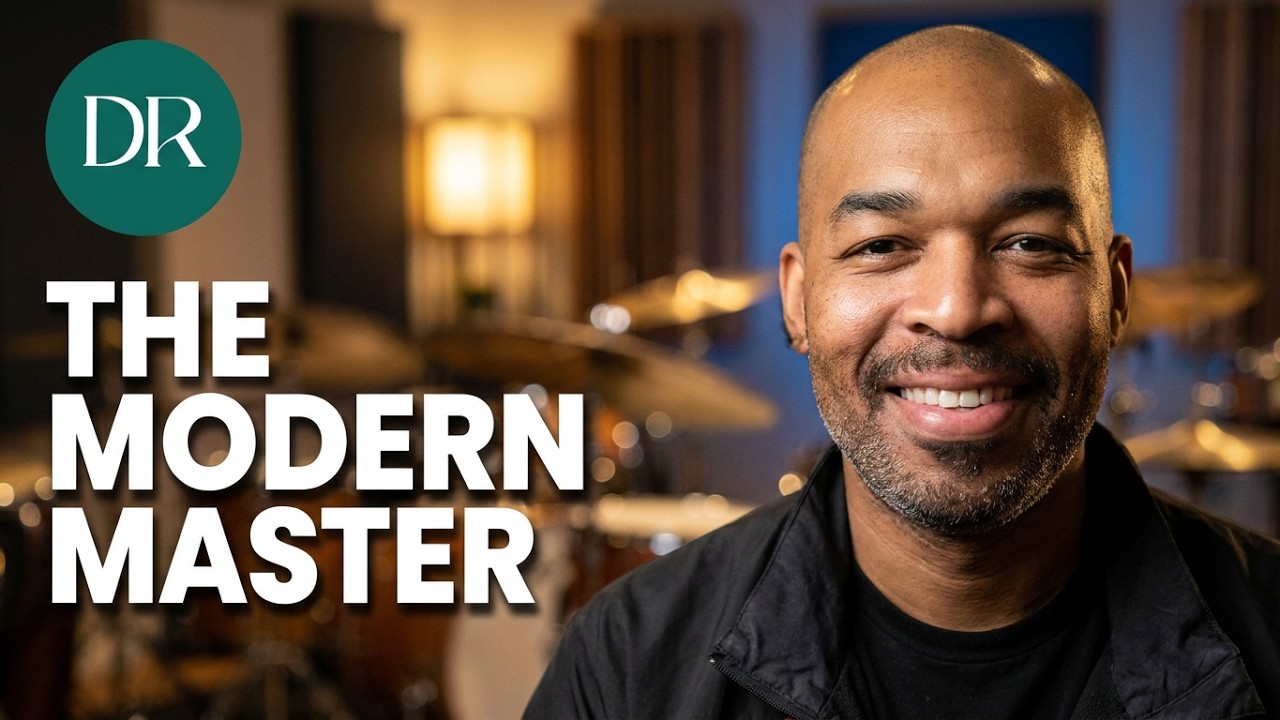
In the realm of drumming, few artists embody the blend of technical skill, musical insight, and genuine humility quite like Eric Harland. In a recent interview with Drummers Review, this celebrated drummer shared his unusual path from a curious child to a performer alongside jazz legends, offering invaluable advice for emerging musicians.
Harland’s musical journey began with the piano, influenced by family members who played the instrument. Initially, he followed suit, but the monotony of practicing scales failed to inspire him. It was the rhythmic clatter of kitchen utensils that ignited his passion for percussion.
Recognizing her grandson’s rhythmic enthusiasm, Harland’s grandmother encouraged his mother to seek out drum lessons. This pivotal decision led him to the esteemed Craig Green in Houston,a mentor who would not only shape Harland’s artistry but also nurture a generation of influential drummers from the region.
When discussing the relationship between drums and piano, Harland likens them to brothers rather than mere relatives. While one instrument is primarily melodic and the other rhythmic, both share a profound percussive essence, a quality he cherishes in his collaborations with top-tier pianists.
A pivotal experience in Harland’s career occurred during his high school years at a jazz conference. Overwhelmed with nerves, he watched drummer Greg Hutchinson perform, only to be invited on stage afterward. This moment helped him confront his stage fright, a hurdle that could have hindered his pursuit of a jazz career.
Harland also recounted a humorous yet enlightening incident from his touring life, where he arrived at a gig with the wrong music book, leaving the correct charts behind at the hotel. Instead of a catastrophe, this experience taught him the value of listening. Collaborating with icons like McCoy Tyner and Betty Carter, he realized that an over-reliance on written music can detract from the vital connections between musicians.
As the conversation shifted to social media and the current landscape of drumming, Harland expressed a positive outlook. While some musicians view the internet as a distraction, he sees it as a treasure trove of details and inspiration.However, he cautions against prioritizing likes over authenticity.
For Harland, the aim should never be to mimic others. Rather,drummers should leverage the vast resources available to uncover their unique musical identity and convey something genuine.
A recurring theme throughout the interview was the importance of community. growing up in Houston alongside fellow drumming talents like Chris Dave, harland thrived in a nurturing environment that fostered mutual inspiration and challenge. He urges young musicians to cultivate similar communities, emphasizing the importance of learning and evolving together rather than facing the journey in isolation.
When discussing his legacy, Harland offered a thoughtful perspective. rather than fixating on how he will be remembered, he prefers to focus on the music itself, the connections it fosters, and the hope it brings. If he could leave behind a legacy, it would be one rooted in compassion, understanding, and the belief that growth is a product of patience and experience.
This outlook is increasingly rare in today’s fast-paced world, making Eric Harland not just an exceptional drummer, but also a beacon of inspiration within the global drumming community.
Eric Harland is not just a drummer; he is a musical force whose journey reflects the essence of community and creativity in the world of jazz. With a career that spans collaborations with legendary artists and a commitment to nurturing the next generation of musicians, Harland exemplifies the importance of finding one’s unique sound.
Harland’s musical journey began in a household filled with the sounds of the piano. His family members played the instrument, and initially, he followed suit. However, it was the rhythmic allure of pots and pans that truly captured his inventiveness. This early interest with rhythm laid the groundwork for his future as a drummer.
Recognizing his passion, Harland’s grandmother encouraged him to pursue drum lessons. This pivotal decision led him to study under Craig Green, a prominent educator in Houston.Green not only shaped Harland’s skills but also influenced a generation of drummers,creating a vibrant community of musicians.
For Harland,the relationship between drumming and community is profound. He believes that music thrives in collaborative environments where artists inspire and challenge each other. Growing up in Houston, he was surrounded by fellow drummers like Chris Dave, fostering a supportive network that propelled their artistic growth.
Harland emphasizes the importance of discovering one’s unique sound. In a world filled with influences, he encourages musicians to draw inspiration from various sources while remaining authentic. This balance between influence and individuality is crucial for artistic growth.
Throughout his career, Harland has collaborated with some of the most iconic names in jazz, including McCoy Tyner and Betty Carter.These experiences have not only enriched his musical vocabulary but also reinforced the significance of community in the creative process.
| Artist | Album | Year |
|---|---|---|
| McCoy Tyner | Guitars | 2012 |
| Betty Carter | Feed the Fire | 1994 |
| Joe Henderson | So Near, So Far | 1996 |
In today’s fast-paced digital landscape, Harland views social media as a double-edged sword. While it offers unprecedented access to information and inspiration, he warns against the pitfalls of seeking validation thru likes and followers.Instead,he advocates for using these platforms to share authentic musical expressions.
When discussing legacy, Harland emphasizes the importance of the connections formed through music. He believes that a true legacy is built on compassion, understanding, and the belief that growth comes from patience and experience.This perspective is increasingly vital in a world that frequently enough prioritizes speed over depth.
Harland’s approach to legacy encourages musicians to focus on the impact of their work rather than the accolades. By fostering a sense of community and supporting one another, artists can create a lasting influence that transcends generations.
If you’re inspired by Eric harland’s journey and want to connect with fellow musicians, consider creating an account on the Beatbounty platform. This community allows you to submit ads, collaborate with other artists, and share your unique sound with the world.
Become a valued member of Beatbounty platform.
Start selling and connect with fellow musicians – LOGIN or REGISTER!
No results available
Reset
Your thoughts matter! Leave a comment and strike up a dialogue with fellow readers.