The Unstoppable Groove of Gary Shea: A Journey Through Rock legends
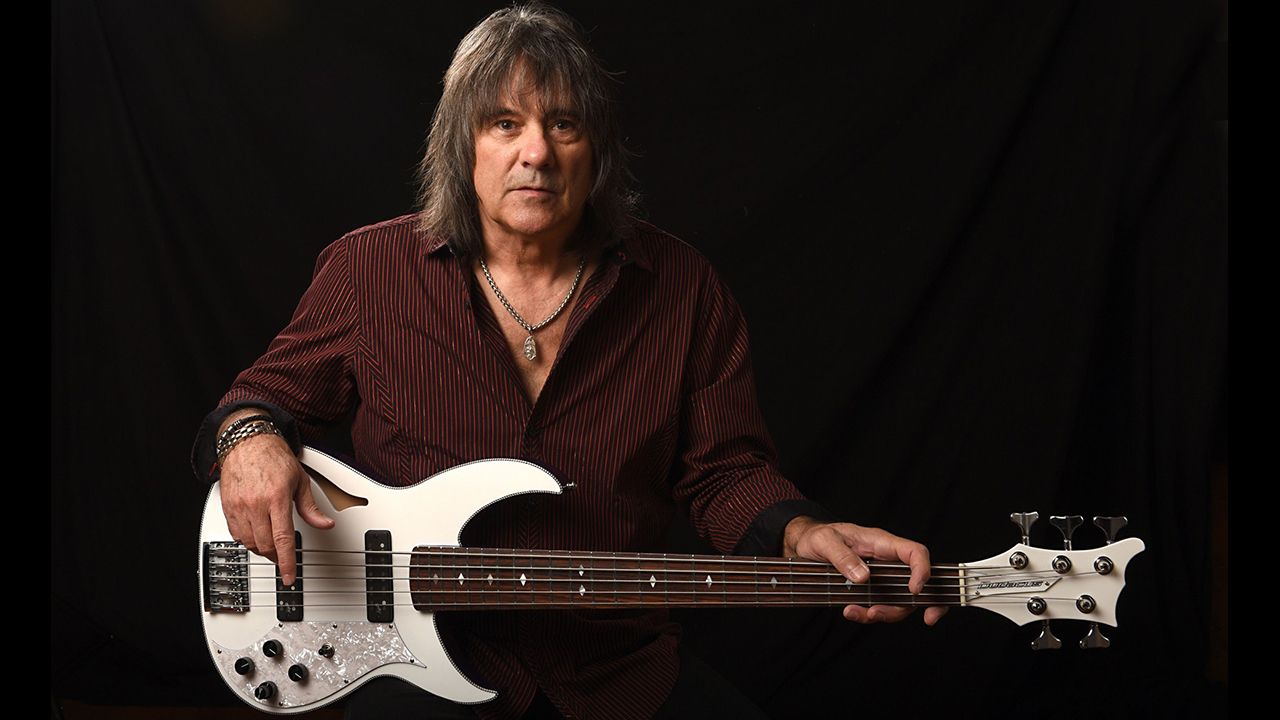
While some bassists prefer to take a backseat, Gary Shea is anything but passive. As he passionately states, “Remember this: without bass, there’s no party!” And what a vibrant party it has been for Shea, who has shared the stage wiht iconic bands like New England, warrior, and alcatrazz, collaborating with legends such as John Fannon, Vinnie Vincent, Yngwie Malmsteen, and Joe Stump.
Chasing the Dream
“I’ve always aspired to be the bassist on the original track rather than just another player in a bar,” Shea reflects. Now at 74, he remains active with New England and Alcatrazz, feeling grateful for the opportunity to work alongside some of the finest musicians in the industry.
Musical Inspirations and Challenges
Shea acknowledges the challenges of working with talented yet demanding musicians: “I sought out the music that inspired me and encountered some remarkable artists along the way. Not too shabby for a left-handed bassist in a right-handed world! All gifted musicians can be a handful, but that’s what makes them unique-they are committed to their vision.”
New England: A Unique sound
When asked about the sound he aimed for with New England, Shea describes it as a progressive rock band that embraced shorter songs. “With Jimmy Waldo’s Mellotrons and a variety of keyboards, we had a vast palette to create everything from heavy orchestral rock to delicate ballads. It was a fantastic chance to explore creative basslines, making New England a perfect match for my style.”
Gear Talk: Shea’s Rig
Reflecting on his equipment during that era, Shea recalls, “I utilized three Ampeg SVT heads paired with four 8×10 cabinets and two cerwin-Vega B48 MF 18” reflex horns, each with a front-loaded 12” speaker. My setup also included Moog Taurus bass pedals and my trusty 1965 L Series Jazz bass with a P neck and Tele pickguard.”
Collaborating with paul Stanley
Shea shares his experience working with Paul Stanley on New England’s debut album, stating, “It was a comfortable collaboration. We were all around the same age and shared influences like Free and Terry Reid. our aim was to elevate our 16-track demos to 24-track, and Paul was an excellent addition to help us shine.”
Record Label Struggles
Despite having strong material, Shea reflects on the setbacks faced by New England. “Our major issue was that our record label, Infinity/MCA, collapsed during our first year, just as we began tracking our second album. We had multiple offers from major labels for our debut, but we opted for Elektra for our subsequent albums. This transition cost us valuable time.”
Management Challenges
Shea elaborates on the management dynamics,stating,”We had the David-and-Goliath theory of management. You coudl have a passionate cousin managing you with no connections, or you could go with a big name who has numerous clients to juggle. We chose Bill Aucoin for his vision and experience, and it was up to us to earn our spotlight.”
Forming Warrior with Vinnie Vincent
As New England prepared for its fourth album, shea recounts how guitarist John Fannon departed for family reasons. “We spread the word about our search for a replacement and received some great inquiries. The standout was Vinnie Cusano, who was working with Gene Simmons on a new album. Gene suggested we reach out to him.”
“Vinnie sent us a demo that we loved; it had a heavier foreigner vibe. He flew to Boston for an audition, and unbeknownst to him, we had learned his demo. He was impressed when we played his music back to him, and we decided to form a new band in Los Angeles.”
Recording with Vinnie
During their time together, Shea describes Vinnie as musically astute.”He was working with Kiss and had a background with Dan Hartman and Edgar Winter. his style was reminiscent of Jeff Beck, and we aimed for radio-pleasant rock. Although Vinnie had a great voice, he preferred not to sing while playing guitar.”
The Birth of Alcatrazz
After deciding to stay in LA, Shea received a call from manager Andy Truman, who was connected to Graham Bonnet. “Graham had just left the Michael Schenker Group and was looking to form a new band. We met at the hyatt Hotel bar and discussed creating a band with a European rock vibe.”
Yngwie Malmsteen Joins the Ranks
As the band evolved, they auditioned guitarists, including a young Yngwie Malmsteen. “Yngwie was the perfect fit to complement Graham’s background with Ritchie Blackmore. I suggested the name Alcatrazz, adding an extra ‘Z’ for flair.”
Musical Dynamics and Contributions
Shea emphasizes that while Yngwie contributed significantly, the band was a collective effort. “We were a unit, not a solo project. I introduced a B minor ascending arpeggio in ‘Hiroshima,’ which Yngwie initially thought was stepping on his solo, but it remained.”
Transitioning Guitarists
Yngwie’s departure was due to creative differences, leading to the audition of Steve Vai. “We chose Steve for his unique style, and he brought a fresh perspective to our music. Working with him was a joy, and I felt we had finally found our sound.”
Reunions and New beginnings
New England reunited in 2003, realizing their chemistry was still strong. “Our first rehearsal produced two fantastic songs, leading to live performances across the East and West Coasts, as well as Tokyo. We’ve recorded an EP and a live album over the past decade.”
Looking Ahead
Alcatrazz is currently working on their seventh studio album,set to release later this year,with plans for a tour to follow. Shea is also excited about his new book, No Bass No Party, which chronicles his journey from a novice guitarist to performing at Madison square Garden, highlighting the importance of perseverance in the music industry.