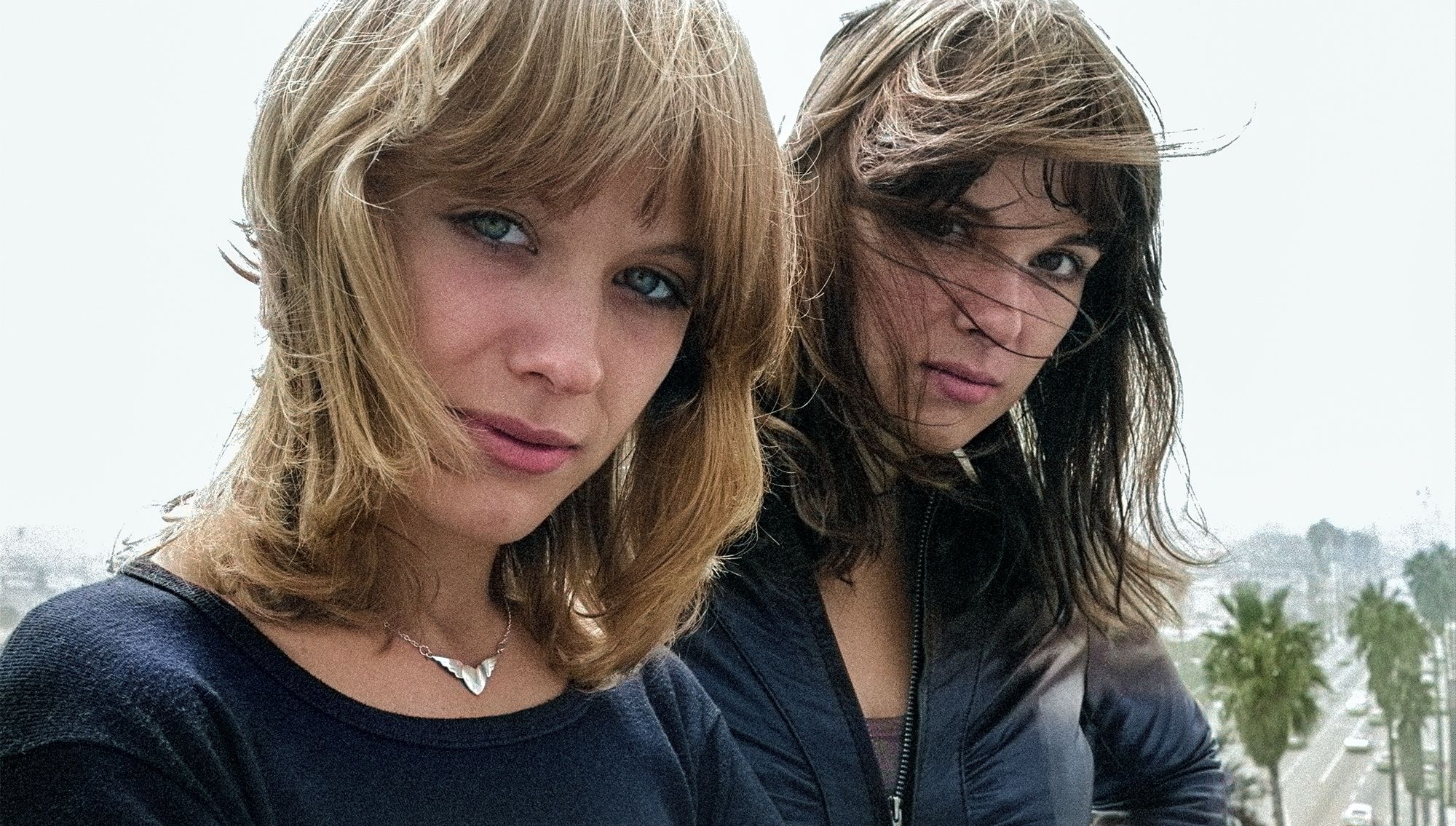
Breaking Barriers: Ann Wilson Reveals Heart's Battle Against Sexism in the '70s Rock Revolution
0 reactions
3 months ago
Beatbounty
Heart’s Journey: Ann and Nancy Wilson’s Fight Against Gender Bias in Rock
In the mid-1970s, the rock music scene was predominantly male-dominated, a reality that Ann and Nancy Wilson experienced firsthand as they propelled their band, Heart, into the limelight.
Ann Wilson reflects on thes early struggles in her latest documentary, In My Voice, which chronicles her journey with Heart and her solo endeavors. The film features notable appearances from Paul Stanley of kiss and emerging pop sensation Chappell Roan, who has been performing Heart’s iconic track “Barracuda” during her tours.
From Suburban Teens to Rock Icons
Before Heart became known for their powerful anthems and chart-topping hits like “Crazy on You,” the wilson sisters were just teenagers trying to navigate their place in the loud and brash world of rock music.
Their musical awakening began in 1966 when they witnessed the Beatles perform live. Four years later,they were captivated by Led Zeppelin’s electrifying stage presence. Nancy recalls how Robert Plant’s charismatic performance was both thrilling and enlightening.
“At that time, we were part of a small folk band,” Nancy reminisced. “Coming from the suburbs, we were seen as naive little hippie girls.”
Like many aspiring musicians of their generation, the Wilson sisters were inspired by Zeppelin’s powerful sound, yet they infused it with their unique blend of folk harmonies, acoustic elements, and hard rock energy. Soon enough, Heart was being compared to the legendary band themselves.
Navigating a Challenging Industry
However, breaking into the music industry was no easy feat, especially for two women leading a hard rock band. The industry was often unwelcoming and unsure of how to handle female fronted acts.
“You could achieve something remarkable and feel proud, only to be belittled by the male counterparts,” Ann shared with Rolling Stone. “They had a way of making you feel foolish for even trying.”
(Image credit: Getty Images)
During this era, female musicians were still a rarity, although pioneers like Suzi Quatro were beginning to pave the way. Heart, however, took it a step further. Their debut album, Dreamboat Annie, released in 1975, showcased Nancy’s sharp rythm guitar and Ann’s powerful vocals, delivering songs that seamlessly transitioned from soft acoustic melodies to hard-hitting rock – a testament to women’s ability to dominate the same musical landscape as their male counterparts.
Nearly fifty years later, the impact of their groundbreaking work continues to resonate. Yet, as the Wilson sisters have frequently highlighted, their journey was not solely about talent; it demanded immense resilience in an industry that frequently enough questioned their right to share the stage with the male legends they admired.
Breaking Barriers: Ann Wilson Reveals Heart’s Battle Against Sexism in the ’70s Rock Revolution
The Rock Landscape of the 1970s
The 1970s rock scene was characterized by its raw energy and male dominance. Bands like Led Zeppelin, The Rolling Stones, and Aerosmith ruled the charts, while female musicians struggled to find their footing. In this challenging habitat, Ann Wilson and her sister Nancy Wilson of Heart emerged as trailblazers, breaking through the barriers of sexism that pervaded the industry.
Heart’s Formation and Early Struggles
Heart was formed in 1970 in Seattle, Washington, initially under the name White Heart. The band faced numerous challenges as they sought to establish themselves in a male-dominated genre. Ann and Nancy Wilson, both talented musicians, were often underestimated due to their gender.
Key Challenges Faced by Heart
Gender Bias: The music industry was largely skeptical of female-fronted rock bands, often relegating them to the sidelines.
Media Portrayal: Female musicians were frequently portrayed in a sexualized manner, overshadowing their musical talents.
Industry Gatekeeping: Male executives often dismissed the Wilson sisters’ abilities, questioning their place in rock music.
Ann Wilson’s Insights on Sexism in Rock
In her recent documentary,In My Voice,Ann Wilson reflects on the sexism that Heart faced during their rise to fame. She emphasizes the emotional toll it took on her and her sister, stating, “You could achieve something remarkable and feel proud, only to be belittled by the male counterparts.”
Quotes from Ann Wilson
“They could make you feel like you were really silly for even trying.”
heart’s Breakthrough with Dreamboat Annie
Heart’s debut album, Dreamboat Annie, released in 1975, marked a meaningful turning point for the band. the album showcased their unique blend of hard rock and folk influences, featuring hits like “Crazy on You” and “Magic man.”
Impact of Dreamboat annie
Song Title
Chart Position
Year Released
Crazy on You
35
1975
Magic Man
9
1975
The success of Dreamboat Annie not only solidified Heart’s place in rock history but also challenged the prevailing notions of women in music. The album’s success demonstrated that female artists could achieve commercial success and critical acclaim in a genre dominated by men.
Breaking Stereotypes: The Wilson Sisters’ Influence
Ann and Nancy Wilson became symbols of empowerment for women in rock music. Their success inspired a generation of female musicians to pursue their dreams, proving that talent and determination could overcome societal barriers.
Notable Female Rock Artists Influenced by Heart
pat Benatar: Known for her powerful vocals and rock anthems, Benatar credits Heart as a significant influence on her career.
Stevie Nicks: The Fleetwood Mac frontwoman has often cited the Wilson sisters as inspirations for her own journey in rock music.
Alanis Morissette: The Canadian singer-songwriter has expressed admiration for Heart’s ability to blend rock with emotional depth.
Current Landscape: Women in Rock Today
Today, the landscape for women in rock music has evolved, but challenges remain. While there are more female artists in the industry, issues of sexism and gender bias persist.
Statistics on Women in Music
Year
Percentage of Female artists
2019
21%
2020
27%
2021
30%
As shown in the table above, the representation of female artists in the music industry is gradually increasing, yet there is still a long way to go for true equality.
Practical Tips for Aspiring Female Musicians
For women looking to break into the music industry, here are some practical tips to navigate the challenges:
Build a Strong Network: Connect with other musicians, producers, and industry professionals who can support your career.
Stay True to Your Art: Focus on your unique sound and style, and don’t be afraid to express yourself authentically.
Seek Mentorship: find mentors who can provide guidance and share their experiences in the industry.
Utilize Social Media: Leverage platforms like Instagram and TikTok to showcase your music and connect with fans.
Case Studies: Women Who Overcame Barriers
Several female artists have successfully navigated the challenges of the music industry, drawing inspiration from pioneers like Ann and Nancy Wilson:
Case Study: Lizzo
Lizzo has become a prominent figure in the music industry, known for her powerful voice and body positivity advocacy. She has spoken openly about the challenges she faced as a plus-size woman in a predominantly thin-centric industry.
Case Study: H.E.R.
H.E.R. has made waves in the music scene with her soulful sound and remarkable guitar skills. She has emphasized the importance of representation and has become a role model for aspiring female musicians.
First-Hand Experience: Ann Wilson’s Legacy
Ann Wilson’s journey is a testament to resilience and determination. Her experiences in the 1970s serve as a reminder of the ongoing fight for equality in the music industry. As she continues to inspire new generations of artists, her legacy remains a powerful force in rock music.
For those interested in sharing their own musical journey or seeking opportunities in the industry, consider creating an account at Beatbounty. Submit an ad and connect with a community of musicians and music lovers.