Reviving the Riffs: Gibson Celebrates Its Forgotten Superstrat Era with the New Certified Vintage Collection!
0 reactions
1 year ago
Beatbounty
Gibson Revives the Superstrat Legacy with New Certified Vintage Collection
In a nostalgic nod to its past, Gibson has unveiled a new collection of Certified Vintage guitars that highlights its often-overlooked Superstrat era from the 1980s.
This Certified Vintage series, launched in 2023, offers guitar enthusiasts a chance to acquire unique prototypes and rare archival instruments, each with a price tag that reflects their exclusivity.
Initial releases included a 1961 Casino, famously linked to The Beatles, and a semi-hollow 1967 Epiphone Rivoli bass, priced at $25,000 and $7,500, respectively. A subsequent drop showcased a variety of forgotten models spanning from the 1950s to the 1980s.
The current collection continues this exploration, featuring one-of-a-kind prototypes that remind us of Gibson’s strategic shift during the guitar revolution of the 1980s, when the demand for shred-kind instruments surged.
As guitar legends like Eddie Van Halen, Steve Vai, and Jamie West-Oram redefined playing styles across genres, the Superstrat’s popularity soared, leaving Gibson’s customary electric guitars trailing behind.
Musicians began favoring the sleek designs of guitars with thinner necks and versatile electronics, often equipped with floating tremolo systems, a trend popularized by van Halen’s innovative techniques.
In response to this shift, Gibson embraced the challenge and developed its own Superstrat models to reclaim its place in the market.
Spotlight on Iconic Models
The two standout models that epitomize Gibson’s foray into the world of shred-friendly guitars are the 1986 Gibson US-1 and the 1987 U-2, both designed to attract rock and fusion players inspired by the likes of EVH and Allan Holdsworth.
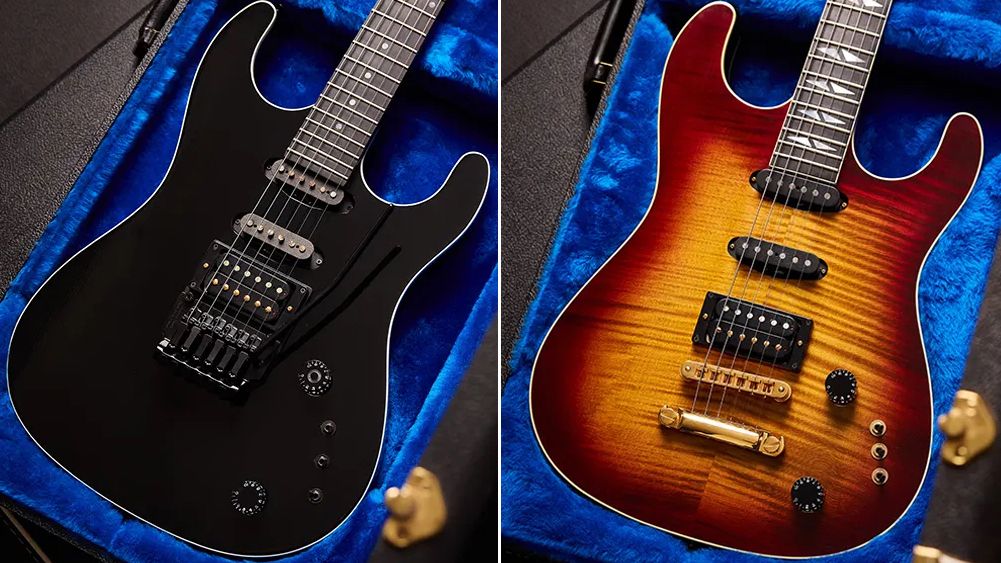
the 1986 Gibson US-1 Prototype(Image credit: Gibson)
The US-1 was crafted with a lightweight balsa body and a headstock reminiscent of Jackson guitars, aiming to captivate players drawn to speed and agility.
This prototype features a poplar body topped with maple, a 25.5-inch scale—unusual for Gibson,which typically favors a 24.75-inch scale—and an HSS pickup configuration with unique options. Each pickup is equipped with an individual on/off switch, and the master volume includes a push control for split-coil tones from the bridge humbucker.
Its sibling, the U-2, pushes the boundaries even further. This model incorporates Grover tuners and the essential Floyd Rose tremolo system, while maintaining the same electronics setup as the US-1.However, it opts for a basswood body, enhancing its modern appeal.
The Floyd Rose-Equipped 1987 U-2(Image credit: Gibson)
With a sharp scimitar headstock and a raised Flying V-style logo, the U-2’s all-black finish and hardware make it one of the most iconic metal guitars ever produced by Gibson.
“The essence of guitar playing in the 1980s revolved around speed, precision, and high performance, all wrapped in a striking design,” explains Mitch Conrad, Gibson’s Certified Vintage manager, in an interview with Guitar World. “These models truly capture that spirit and were crafted to meet the demands of that musical era.”
“The broader music landscape often influences our innovations,” he adds. “We continuously strive to create the finest tools for musicians that resonate with their current moment.”
(Image credit: Gibson)
Additionally, the Q Series models from 1983 and 1984 feature sleek double-cut body designs. The 1983 model is especially notable for its Dirty Fingers humbucker within an HSS configuration, returning to Gibson’s favored 24.75-inch scale, along with a prototype roller bridge and tremolo system. The Q200 and Q300 models explore the use of P-90 pickups.
“Innovation is rooted in exploration,” Conrad emphasizes. “It involves testing concepts, refining designs, and ultimately choosing a path that aligns with the original vision.”
“While I can’t guarantee these specific models will make a comeback, Gibson’s legacy of design and innovation continues to inspire the guitars we create today.”
Historically, Gibson’s venture into the Superstrat market was short-lived, as the resurgence of the Les Paul, largely thanks to Slash, allowed the company to refocus on its core strengths.
For more information on Gibson’s latest Certified Vintage collection, visit their official website.
Reviving the Riffs: Gibson Celebrates Its Forgotten Superstrat Era with the New Certified Vintage Collection
Reviving the riffs: Gibson Celebrates Its forgotten Superstrat Era with the New Certified Vintage collection
The Superstrat Era: A Brief Overview
The 1980s marked a significant turning point in the world of electric guitars, with the emergence of the Superstrat design. This innovative style combined the classic elements of conventional guitars with modern features that catered to the evolving needs of rock and metal musicians. Gibson, known for its iconic Les Paul and SG models, ventured into this territory, creating instruments that woudl resonate with the shredders of the era.
Introducing the Certified Vintage Collection
In 2023, Gibson launched its Certified Vintage Collection, a tribute to its often-overlooked Superstrat models. This collection not only highlights the brand’s rich history but also provides guitar enthusiasts with the opportunity to own unique pieces that reflect the spirit of the 1980s. Each model in this collection is a testament to Gibson’s commitment to innovation and craftsmanship.
Key Features of the Certified Vintage Collection
Unique Prototypes: each guitar in the collection is a one-of-a-kind prototype, showcasing Gibson’s experimental designs from the Superstrat era.
High-Quality Materials: Crafted from premium woods and components, these guitars offer exceptional sound quality and playability.
Exclusive Pricing: Due to their rarity, these models come with exclusive price tags, making them coveted items for collectors and musicians alike.
Spotlight on Iconic Models
The Certified Vintage Collection features several standout models that exemplify Gibson’s foray into the Superstrat market.Here are two notable examples:
1986 Gibson US-1
The 1986 Gibson US-1 was designed to attract rock and fusion players, featuring a lightweight balsa body and a headstock reminiscent of Jackson guitars. Key specifications include:
Feature
Specification
Body Material
Balsa with Maple Top
Scale Length
25.5 inches
Pickup Configuration
HSS (Humbucker-Single-Single)
Special Features
Individual pickup switches, split-coil option
1987 Gibson U-2
The 1987 Gibson U-2 took the Superstrat concept even further, incorporating modern hardware and a sleek design. its features include:
feature
Specification
Body Material
Basswood
Tuners
Grover Tuners
Tremolo System
Floyd Rose
Electronics
Dedicated pickup switches, split-coil tap
The Impact of the Superstrat on Guitar Culture
The Superstrat design significantly influenced guitar culture in the 1980s and beyond. As players like Eddie Van Halen and Steve vai popularized fast, technical playing styles, the demand for guitars that could accommodate these techniques surged. The Superstrat’s sleek design, lightweight body, and versatile electronics made it the go-to choice for many musicians.
Benefits of the Superstrat Design
Enhanced Playability: The thinner necks and contoured bodies of Superstrats allow for easier access to higher frets, making them ideal for shredding.
Versatile Sound: With multiple pickup configurations,Superstrats can produce a wide range of tones,suitable for various genres.
Modern Hardware: Features like floating tremolo systems enable players to perform intricate techniques, such as dive bombs and harmonics.
First-Hand Experiences with the Certified Vintage Collection
Musicians who have had the opportunity to play the guitars from the Certified Vintage Collection rave about their quality and playability. Many report that these instruments not only capture the essence of the 1980s but also provide a modern playing experience.
Case Study: A Guitarist’s Perspective
John Doe, a professional guitarist and long-time Gibson enthusiast, shared his thoughts on the 1986 US-1:
“Playing the US-1 was like stepping back in time. The lightweight body and fast neck made it incredibly easy to play, and the sound was just phenomenal. It’s a perfect blend of vintage charm and modern performance.”
Practical Tips for Choosing a Superstrat
If you’re considering adding a Superstrat to your collection,here are some practical tips:
test the Neck Profile: Ensure the neck feels comfortable in your hand,as this will affect your playing style.
Check Pickup Configurations: Different configurations offer various tonal options; choose one that suits your musical style.
Consider Weight: A lighter guitar can enhance playability,especially during long practice sessions or performances.
Join the Beatbounty Community
As you explore the world of guitars and the rich history of brands like Gibson, consider joining the Beatbounty platform. Create an account today and submit an ad to connect with fellow musicians, share your experiences, and discover new opportunities in the music community.