From Punk Roots to Rock Revolution: Billy Idol’s Evolution in the ’80s
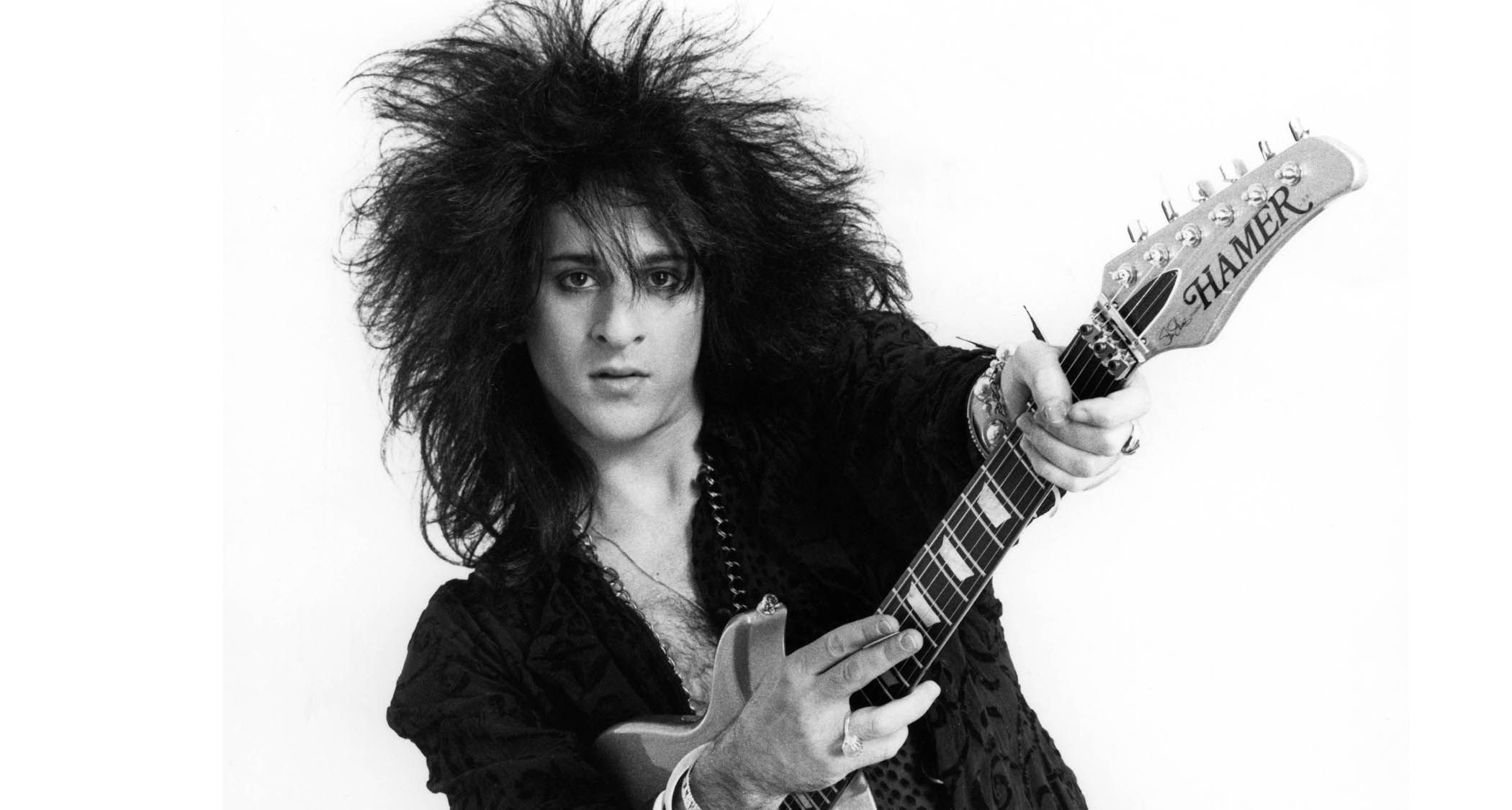
After the disbandment of his punk group Generation X in 1981, Billy Idol embarked on a solo journey that would reshape his musical identity. Relocating to New York City,he teamed up with the talented guitarist Steve Stevens,whose skills were a well-kept secret in Manhattan. Their collaboration quickly bore fruit with the infectious dance-rock anthem White wedding,featured on Idol’s self-titled debut album released in 1982.
Breaking Through with ‘Rebel Yell’
In 1983, Idol’s career skyrocketed with the release of the multi-platinum album Rebel Yell. This record produced a trio of chart-topping hits that dominated radio and MTV: Flesh for Fantasy, Eyes Without a Face, and the electrifying title track. These songs not onyl showcased Idol’s unique sound but also solidified his status as a rock icon.
Reflecting on their success, Stevens remarked, “We entered the studio for our next project, Whiplash Smile, in a strong position. Our previous achievements granted us a level of creative freedom, supported by excellent management and a solid relationship with our label.”
Aiming for Innovation
Determined to forge a new path, Idol and Stevens agreed to avoid replicating their earlier successes. “We had no intention of creating Rebel Yell Part 2,” Stevens explained, pointing to the 1985 remix album Vital idol as a source of inspiration for their forward-thinking approach.
“Gary Langdon from Art of Noise delivered an amazing remix of Flesh for fantasy, which influenced our direction,” stevens added. “We aimed to incorporate more modern technology and create a contemporary sound.”
Overcoming Technical Challenges
However, the journey was not without its challenges, particularly regarding the integration of live and electronic drums. Initially, the plan was to blend Thommy Price’s live drumming with Linn Drums, but Stevens noted that the technology at the time was insufficient for such a fusion. “Our producer, Keith Forsey, was skilled with drum machines, but the limitations of the era restricted our options,” he recalled. Ultimately, they opted for programmed drums.
Crafting ‘Whiplash Smile’
The songwriting process for Whiplash Smile was refreshingly straightforward. “Billy and I would sit together with our guitars and ask each other, ‘What do you have?’” Stevens shared. Among the tracks they co-wrote were World’s Forgotten Boy, Soul Standing By, and man for All Seasons.
Stevens highlighted his guitar solo in Man for All Seasons as a personal favorite, stating, “I infused a bit of Wes Montgomery’s style into it. I wanted to maintain a punk ethos,which isn’t about flashy playing,so I thoght,’If I can do a clean,intricate solo like Wes,it’ll fit perfectly.’”
Transforming ‘To Be a Lover’
Initially, Stevens was uncertain about how to approach To Be a Lover, a cover of William Bell’s soulful ballad. the song had previously been reinterpreted by artists like Al Kooper and Lee “Scratch” Perry, but Idol envisioned a faster tempo. “Billy insisted on a quicker pace, and I was skeptical but ready to assist,” Stevens recalled.
It wasn’t until Forsey switched from a Linn Drum to a Roland TR-808 that the song transformed into a swinging, soulful rockabilly track, prompting Stevens to embrace the new direction. ”It didn’t seem like a typical guitar song, so I ended up playing a lot of keyboards,” he explained, drawing inspiration from Eddie Van Halen’s keyboard work on Jump.
Stevens delivered a powerful guitar solo that he crafted spontaneously. “We only needed a couple of takes,” he noted. “I often think I can improve on my first attempt,but billy usually prefers the initial take,and he’s often right.”