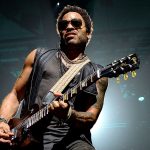
Steve DiGiorgio: Embracing the Dark Side with Death and Why Testament Will Always Be His True Calling
0 reactions
2 months ago
Beatbounty
Steve DiGiorgio: The Fretless Pioneer of Extreme Metal
Steve DiGiorgio, renowned for his contributions to bands like Sadus, Death, and Testament, presents a calm exterior. However, beneath that facade lies a passionate bassist eager to challenge musical boundaries.
“I’ve always been drawn to the loud and audacious,” he chuckles. “back in middle school, I received a note from my band instructor stating, ‘Dismissed for playing too loudly!’ That attitude has influenced my approach to music: always with a hint of aggression.”
Trailblazer of the fretless Bass
DiGiorgio is often hailed as a pioneer of the fretless bass in the realm of extreme metal. “I was just the first to gain recognition for it,” he reflects. “I embraced it fully and continue to explore its possibilities. My sound has evolved to produce an incredibly unique tone from that instrument!”
His groundbreaking work on Death’s albums Human (1991) and Individual Thought Patterns (1993) solidified his status in music history, though he admits he was unaware of the significance at the time. “When those albums were released, we had no idea of the legacy we were creating,” he confesses. “we were just young musicians trying to fill the gaps, and it truly seems we created a ripple effect!”
Modesty amidst Legend
despite his legendary status in extreme metal, DiGiorgio remains humble. “People enjoyed our music,” he shrugs. “Others followed in our footsteps,but you can never predict the impact of your work. If you aim for something exceptional, it can easily fade away. We approached it with a light-hearted attitude, even if we were partially serious. I suppose we did something right.”
Early Musical Journey
DiGiorgio’s musical journey began with the upright acoustic bass in his school orchestra. “I had never played a string instrument before joining the class. I was stuck in the rehearsal room with a bass and a beginner’s book, so I had to practice diligently,” he recalls.
“The other bassist in the orchestra was incredibly supportive-he taught me things that the book didn’t cover. One day, he brought in an electric bass, probably a Fender. The moment I tried it, I knew I had to pursue it; it was much easier to learn with its lines and markers.”
First Electric Bass Experience
“I remember going to a local music shop and pointing at a black bass hanging on the wall, wholly unaware of its brand or model. The shopkeeper asked, ‘What will you plug it into?’ and introduced me to a small, unknown amplifier.”
“I played some Black sabbath and Judas Priest songs with friends, and I think I blew the amp immediately! That was my crash course in electronics, tone, and volume. To this day, I’m frequently enough told to turn down. I guess I’m scarred from using subpar equipment!”
Transition to Fretless Bass
DiGiorgio quickly mastered the fretted bass, playing lines by iconic musicians like Steve Harris, Geezer Butler, and Geddy Lee. His passion for fusion music introduced him to many fretless players, leading to a pivotal moment in his musical evolution.
“After playing my Rickenbacker for a while, I contacted the company to order a fretless model without any markers, as per orchestra standards. They informed me they didn’t do custom work. So, being young and obsessed with aesthetics, I decided to build my own bass, which debuted on Individual Thought Patterns. I had recorded Human with my old ’81 Ricky, which was entirely fretted.”
Collaborating with Death
“When we worked on Human, we jammed a lot. It was easy because Chuck Schuldiner was a close friend. He called me, and before I knew it, we had rented a rehearsal space in Miami. I would light up a joint and play whatever came to mind; it was mostly improvisation.”
“Looking back, I had no idea we were creating landmark albums. we were simply doing what felt right. Some of our material was intentionally unconventional, almost as if we were challenging ourselves to disrupt expectations.Chuck embraced that abstract approach and encouraged individuality.”
Maintaining Connections
After working on Chuck’s Control Denied album, DiGiorgio transitioned to Testament. “I kept in touch with Chuck as much as possible before he passed in 2001. We had some conversations during his treatment, which were tough. When someone is facing such a severe situation, it’s hard to know what to say.”
“I tried to keep our conversations light, discussing my band issues. At one point, I realized I was talking about trivial problems while he was dealing with something so serious. Chuck reassured me, saying, ‘No, this is exactly what I need. It’s so much more engaging.’”
Reflections on Friendship
As time passed, Chuck’s condition worsened, and he could no longer speak on the phone. DiGiorgio left messages,knowing that even though Chuck couldn’t respond,he appreciated listening to them. “It was awkward, talking to a machine while knowing he was fading away. It was heartbreaking.”
Despite the challenges, DiGiorgio cherishes the memories and the impact they made together in the world of music. His journey continues to inspire countless musicians, proving that passion and creativity can transcend even the toughest circumstances.
Steve DiGiorgio: A Journey Through Metal with Testament and Megadeth
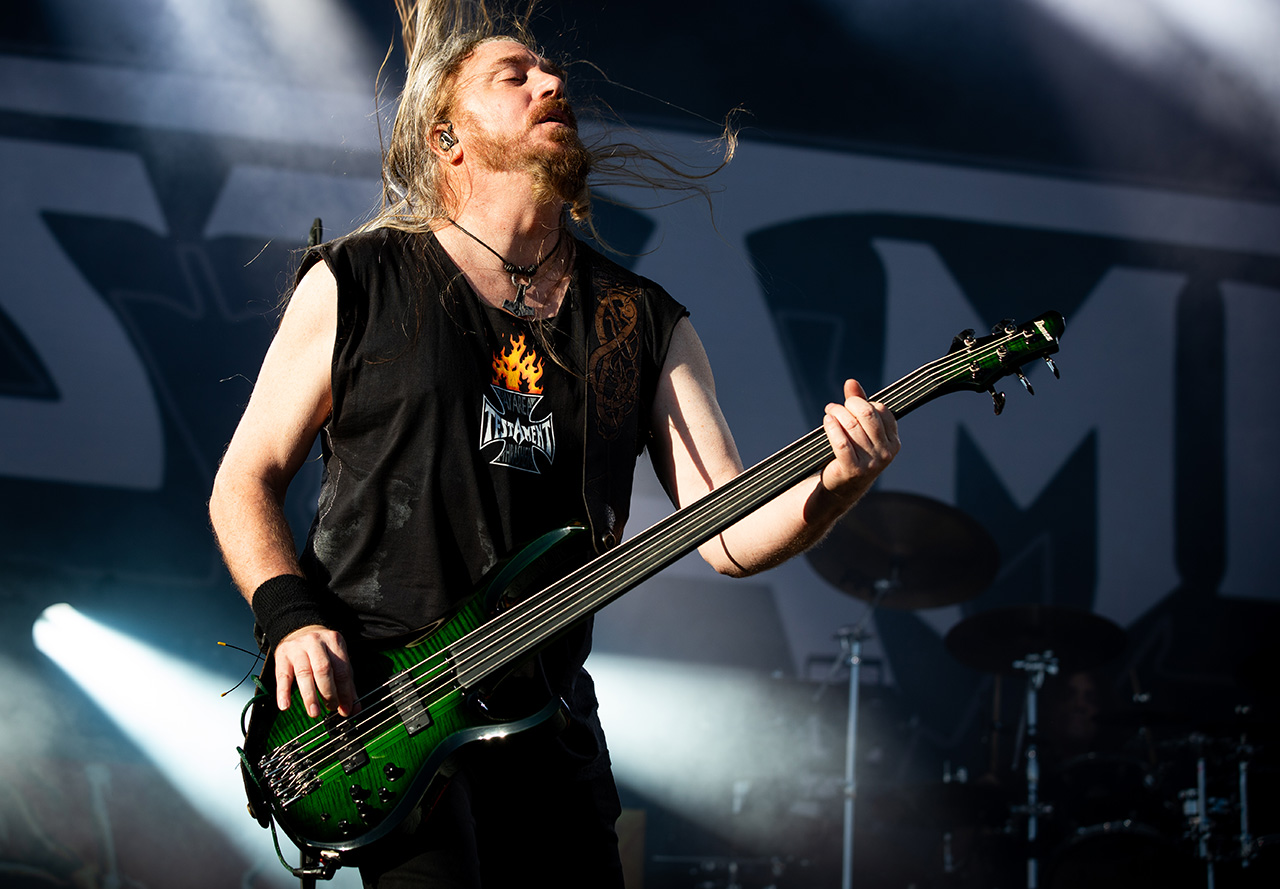
(Image credit: Elsie Roymans/Getty Images)
joining Testament: A New Chapter
Steve DiGiorgio reflects on his entry into Testament in 1998 as a notable growth chance. At that time, the band was on a mission to revive their presence in the metal scene. They sought out well-known musicians, bringing in talents like Dave Lombardo and James Murphy, with DiGiorgio being the final addition. This lineup change inspired the title of their album, The Gathering.
Return to Testament After a Hiatus
After departing from Testament in 2005, DiGiorgio found himself pursuing his own projects. Though, when the original members reunited, he frequently encountered them, and they hinted, “Be ready!” Initially puzzled by this cryptic message, he soon received a call from Chuck Billy after the departure of original bassist Greg Christian, leading him back to the band.
Unexpected Call from Megadeth
In 2021, when Dave Ellefson was dismissed from Megadeth, Dave Mustaine reached out to DiGiorgio. “It was a surprising moment,” he recalls. “I hadn’t been following the situation closely, so when Mustaine called, I was taken aback. I thought there were many other bassists who would be more suited for the role.”
DiGiorgio noted that Ellefson’s situation was unprecedented, as it involved a public scandal that was different from the usual issues musicians face, such as substance abuse or financial troubles. “it was a unique circumstance, and I felt for him,” he said. “When he was let go, his statement about not having done anything wrong seemed to fade into the background.”
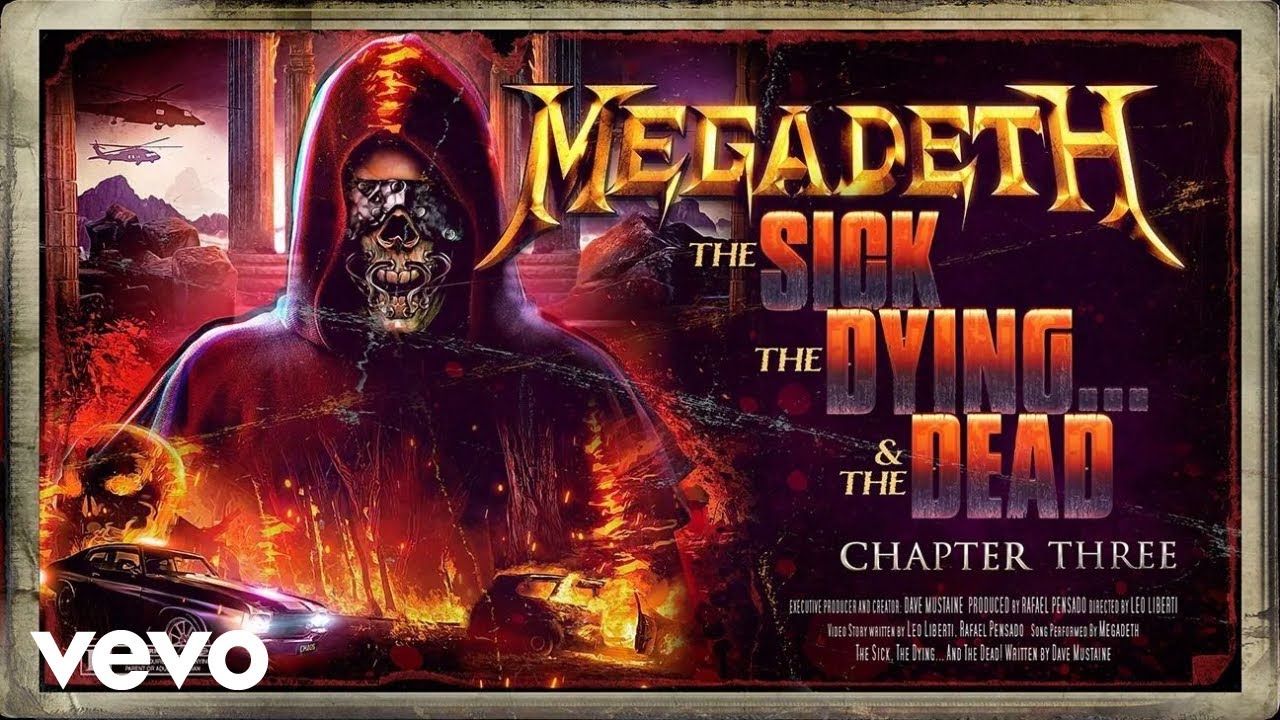
Megadeth – The Sick, The Dying… And The Dead!: Chapter III – YouTube
Declining the Offer
Initially,DiGiorgio was hesitant to except Mustaine’s offer. “I felt there were many deserving bassists out there,” he explained. However, Mustaine emphasized the urgency of completing the album, as Ellefson’s contributions had been removed. DiGiorgio made it clear that he was committed to Testament and could only assist if it didn’t interfere with his existing plans.
“I know people want to portray Dave mustaine as a dictator, but that’s not the case at all.”
Despite his reluctance, Mustaine insisted on a full commitment, which DiGiorgio could not provide. After several discussions, they invited him to Tennessee to record, highlighting his reputation for delivering quick results. “I agreed, as that’s something I’m accustomed to,” he said. He flew out, recorded the tracks, but ultimately realized that splitting his time between both bands wouldn’t be fair.
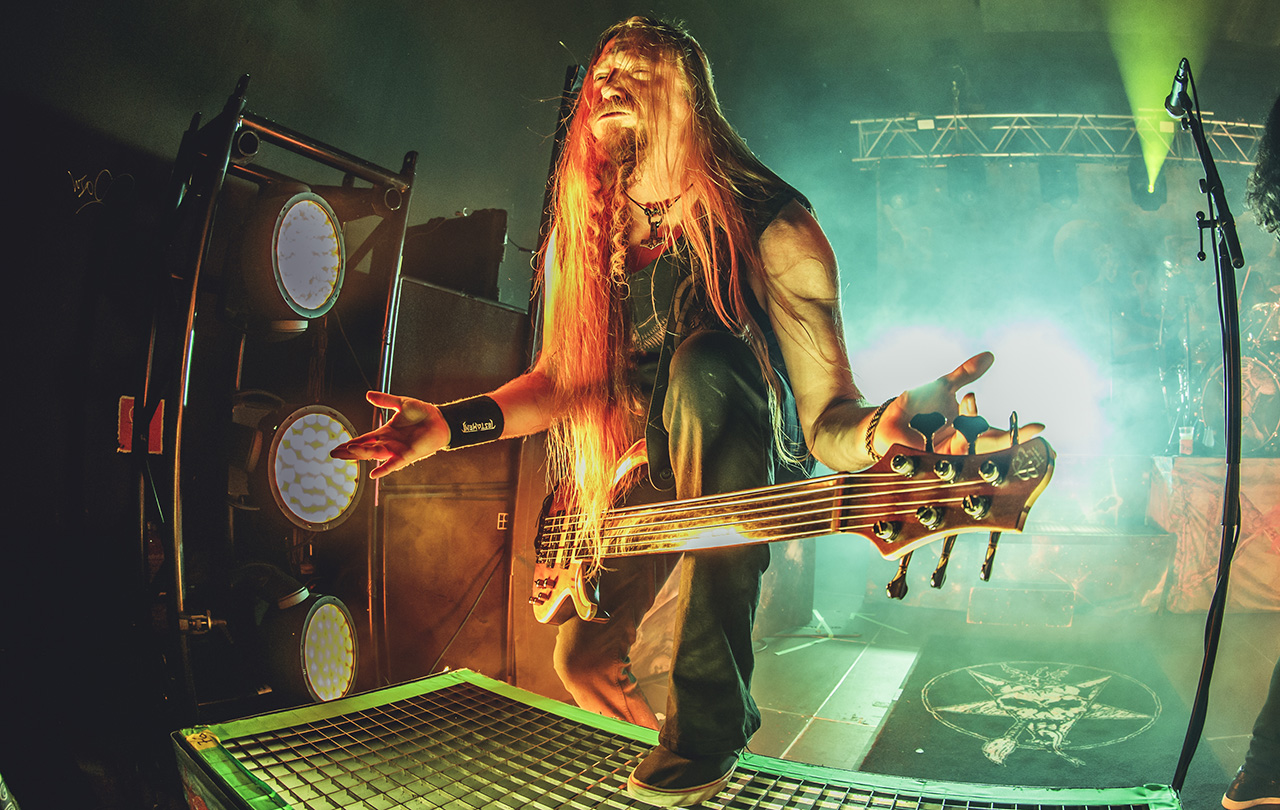
(Image credit: Javier Bragado/Getty Images)
Staying Loyal to Testament
Ultimately, digiorgio chose to remain loyal to Testament, stating, ”I’m happy where I am. I’m going to stick with my brothers.” he recognized that he was passing up a significant opportunity but felt content with his decision. “Everyone understood, and we parted on good terms. it was a valuable experience.”
Collaborating with Dave mustaine
“Working with Megadeth is a unique experience,” DiGiorgio remarked. “No one can come in and reinvent the band; that’s Mustaine’s domain. He has a distinct sound that requires everyone to contribute to that vision.” He approached the collaboration with an open mind, ready to absorb Mustaine’s guidance.
“there were moments when Dave would pause and suggest,’This section needs some embellishment. What can you add?’ He encouraged creativity, and I even contributed a fretless bass part to the title track, which was a fresh addition for Megadeth!”
Contrary to popular belief, DiGiorgio found Mustaine to be approachable and relaxed. “I didn’t walk in thinking I would change everything. He felt cozy around me, and it turned out to be a positive and unexpected experience.”
TESTAMENT – Shadow People (OFFICIAL MUSIC VIDEO) – YouTube
Success of Testament’s Latest Album
Testament’s most recent album, Para Bellum, has received a warm reception, outperforming their last two releases. ”The energy surrounding this album is palpable,” DiGiorgio shared. “When fans start sharing their thoughts and you see the sales and chart performance, it’s incredibly rewarding.”
Steve DiGiorgio: The Thriving Legacy of Testament and Megadeth
“This project is realy gaining momentum, it’s incredible!” DiGiorgio expresses with enthusiasm. The excitement surrounding his work is palpable as he reflects on the band’s journey.
Upcoming Tours and Continued Success
Looking ahead, DiGiorgio reveals, “We have an extensive tour schedule lined up for 2026-my calendar is completely filled!” He emphasizes the thrill of still creating music that resonates with fans, especially at this stage in their careers. “It’s remarkable that, even at our age, we’re producing music that excites people. I honestly didn’t see this coming! But as the saying goes, sometimes the best things happen when you least expect them.”
Steve DiGiorgio: embracing the Dark Side with Death and Why Testament Will Always Be His True Calling
Steve DiGiorgio: Embracing the Dark Side with Death and Why Testament Will Always Be His True Calling
The Early Years: A Musical Prodigy
Steve DiGiorgio, a name synonymous with the evolution of metal music, began his journey in the world of music at a young age. Born on November 7, 1965, in the United states, DiGiorgio’s passion for music was evident early on. He started playing the upright bass in school orchestras, which laid the foundation for his future in heavy metal.
Transition to Electric Bass
DiGiorgio’s transition to electric bass was a pivotal moment in his career.Influenced by legendary bassists like Steve Harris of Iron Maiden and Geddy Lee of Rush, he quickly adapted to the electric bass, showcasing his unique style. His ability to blend technical proficiency with melodic creativity set him apart in the metal scene.
Joining Death: A Defining Moment
In 1991, DiGiorgio joined the iconic death metal band Death, founded by the late Chuck Schuldiner. His contributions to the albums Human and Individual Thought patterns were groundbreaking, especially his use of the fretless bass, which added a new dimension to the band’s sound.
Impact of Death’s Music
innovative Sound: DiGiorgio’s fretless bass playing introduced a fluidity and expressiveness that was previously unseen in death metal.
Influence on Genres: The albums he worked on with Death have influenced countless bands across various genres, solidifying their place in metal history.
Legacy: DiGiorgio’s work with Death is often cited as a major influence on the technical death metal subgenre.
Testament: The True Calling
While DiGiorgio’s time with Death was monumental, his long-standing relationship with Testament is were he truly feels at home. Joining the band in 1998, he became an integral part of their sound, contributing to albums like The Gathering and Dark roots of Earth.
Why Testament Resonates with DiGiorgio
DiGiorgio has often expressed that Testament represents his true calling for several reasons:
Musical freedom: Testament allows him to explore various musical styles while maintaining a heavy sound.
Collaborative Spirit: The band fosters a collaborative environment where each member’s contributions are valued.
Fan Connection: The passionate fanbase of Testament creates an electric atmosphere during live performances, which digiorgio cherishes.
Benefits of Playing Fretless Bass
DiGiorgio’s choice to play the fretless bass has several advantages, particularly in the metal genre:
Benefit
Description
Expressive Range
fretless bass allows for smoother transitions between notes, enhancing emotional expression.
Unique Sound
The absence of frets creates a distinctive tone that stands out in a mix.
Improved Technique
Playing fretless encourages better finger positioning and ear training.
First-Hand Experience: DiGiorgio’s Insights
In interviews, digiorgio has shared his experiences and insights on the music industry:
“Music is a journey, and every note played is a step along the way. Embrace the challenges,as they shape your sound.”
Collaborations and Side Projects
Beyond his work with Testament and Death, DiGiorgio has collaborated with various artists and bands, including:
Sadus: His early band that showcased his technical prowess.
Control Denied: A project with Chuck Schuldiner that further explored progressive metal.
Autopsy: Contributing to the death metal scene with his unique style.
Practical Tips for Aspiring Bassists
For those looking to follow in DiGiorgio’s footsteps, here are some practical tips:
Practice Regularly: Consistency is key to mastering any instrument.
Experiment with Styles: don’t be afraid to explore different genres to find your unique sound.
Network: Connect with other musicians to learn and grow in your craft.
Case Studies: The Influence of Steve DiGiorgio
Numerous bands and musicians cite DiGiorgio as an influence:
Obscura: Their technical death metal sound reflects DiGiorgio’s innovative approach.
Arch Enemy: The melodic elements in their music echo the fluidity DiGiorgio brings to the fretless bass.
Beyond Creation: Their complex compositions showcase the impact of DiGiorgio’s style on modern metal.
Join the Beatbounty Community
For aspiring musicians and fans alike, consider joining the Beatbounty platform. Create an account and submit an ad to connect with other artists, share your music, and explore new opportunities in the music industry.