The Legacy of Iconic Guitars: What Becomes of them After a Legend Passes?
When a renowned guitarist, whether a mainstream star or a beloved cult figure, passes away, what becomes of their cherished instruments? In today’s world, it’s increasingly common for these guitars to be auctioned off at prestigious events, ofen disappearing into the hands of wealthy collectors who prefer to remain anonymous.
Yet, some guitars continue their journey in museum exhibits, safeguarded as family treasures, or are passed on to fellow musicians, ensuring their legacy lives on.
Exploring the Journey of Five Legendary Telecasters
in this article, we delve into the stories of five iconic Telecasters (with one notable Esquire) that belonged to guitarists we admired and lost. Our focus today is on the remarkable 1953 Fender Telecaster owned by the legendary Danny Gatton.
The Unrecognized Genius of Danny Gatton
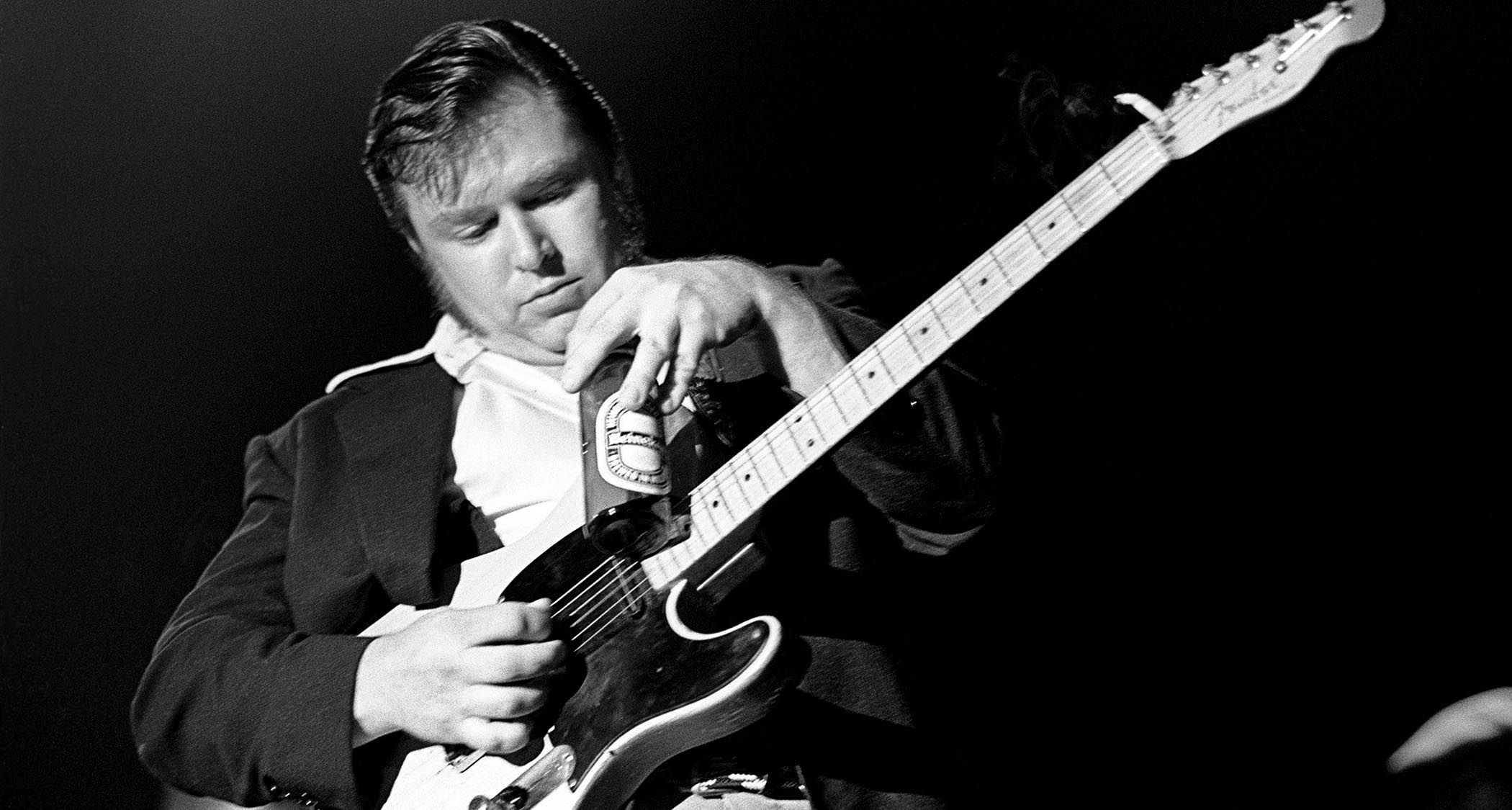
If the music industry had a fairer system, Danny Gatton would have undoubtedly achieved superstar status. Known as “The Telemaster” and “The Humbler,” his remarkable technique and versatility across genres-ranging from jazz and country to rockabilly and blues-culminated in a unique style he dubbed “redneck jazz.” Fellow musicians often described his playing as nothing short of remarkable.
despite receiving notable acclaim, releasing several albums with major labels, and gracing the covers of guitar magazines, Gatton remained a cult figure rather than a mainstream sensation.
From Local Clubs to National Recognition
Gatton’s journey began in the vibrant club scene of Washington, D.C., during the 1970s. he gained wider recognition in the 1980s while performing alongside rockabilly revivalist Robert Gordon and country legend Roger Miller. Throughout this period, his trusty companion was a 1953 Telecaster (serial number 4883), which he customized to suit his unique style.
Personalized Modifications of the ’53 Telecaster
Gatton made several distinctive modifications to his Telecaster. He refretted the neck and added cubic zirconia side markers, replaced the original knobs with custom-made stainless steel knobs crafted by Jay Monterose, and adjusted the pickup selector switch for easier access while playing.
The electronics of the ’53 Telecaster were crucial to Gatton’s signature sound. He utilized custom pickups designed by Joe Barden, which featured a humbucking configuration within a standard Tele-sized single-coil pickup, allowing for rich tones without unwanted noise. His volume control used a standard audio-taper 500k ohm pot,while the tone control was equipped with a linear-taper 1-megohm pot and a .05µF capacitor, enabling him to create wah-like effects.
additional unique features included a stainless steel plate behind the bridge that served as a mount for Gatton’s “Magic Dingus Box” remote effects controller, a trophy plate from the October 1988 Greasers Halloween car Show positioned below the high E string, and signatures from Willie Nelson and Roger Miller etched into the guitar’s finish.
Recording History with the ’53 Telecaster
This iconic Telecaster was instrumental in the creation of Gatton’s celebrated autonomous album, Unfinished Buisness. It also shines in a live recording from the early 1980s at Berkeley Square with Robert Gordon,released in 1996 as The Humbler.
A Heartbreaking Trade and Its Aftermath
In the early 1990s, after signing with Elektra and collaborating with the Fender Custom Shop on a signature model, Gatton made the challenging decision to trade his beloved ’53 Telecaster to his close friend Jack Jensen in exchange for a 1934 Ford four-door sedan. Even though the Telecaster had been a faithful companion, the allure of the classic car was too tempting to resist.
Following Gatton’s tragic passing, Jensen returned the Telecaster to Gatton’s widow, Jan. On October 24, 2015, Heritage Auctions sold the ’53 Telecaster for an remarkable $62,500. The winning bidder, Nathan Lefcowitz, a private collector and devoted fan of Gatton, intended to continue the legacy of this remarkable instrument through performance and recording.