The Chaotic Journey Behind John Lennon’s Rock ‘n’ Roll Covers Album
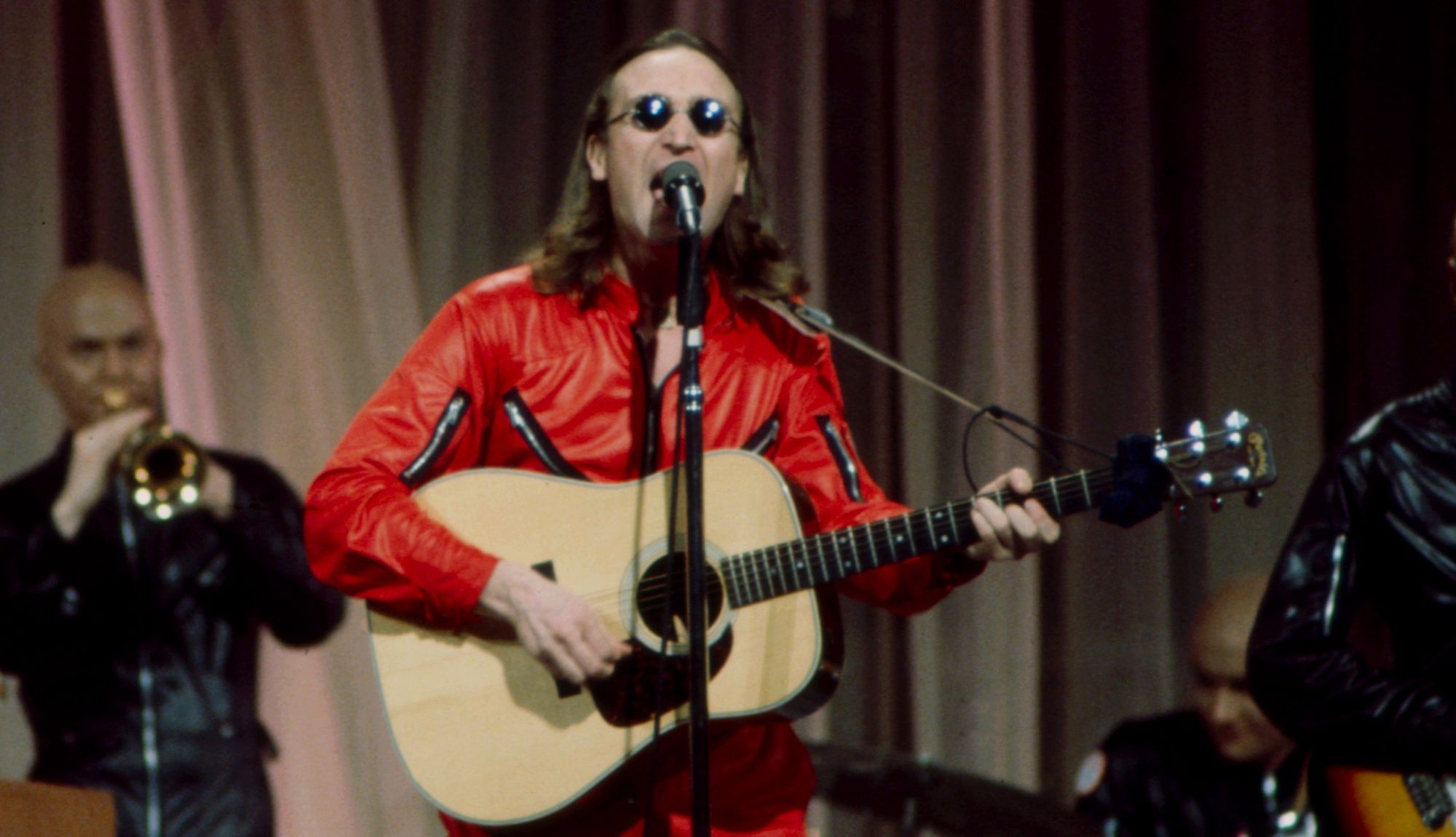
In 1998, as anticipation built for the release of the extensive John Lennon Anthology box set, which included four discs of previously unheard tracks, Guitar world convened several of Lennon’s closest associates, including Yoko ono, to reflect on the highs and lows of his solo endeavors.
Celebrating the Highs of Lennon’s Solo Career
The highlights of Lennon’s solo career are numerous. The raw intensity of John Lennon/Plastic Ono Band stands out, alongside Imagine, whose iconic title track became a universal anthem for peace and hope, synonymous with Lennon himself. Then there’s Double Fantasy, a poignant reflection of a man who had finally found tranquility in his life.
Facing the Lows: Acknowledging the Struggles
However, even the creators themselves admitted to some missteps. One such example is Sometime in New York City, which has not aged well and is often viewed as inconsistent.
The Birth of Rock ‘n’ Roll: A Lawsuit and a Lost Weekend
Among the more controversial projects was Rock ‘n’ Roll, a covers album released in 1975, recorded under the looming threat of a lawsuit during Lennon’s notorious “Lost Weekend,” a tumultuous period marked by his separation from Yoko Ono.
This legal challenge originated from Morris Levy, Chuck Berry’s music publisher, who claimed Lennon had borrowed a line from Berry’s You Can’t Catch Me for the Beatles’ Come Together. to avoid litigation, Levy proposed that Lennon record an album featuring several songs for which Levy held the rights.
In 1973,under these creatively stifling conditions,Lennon assembled a star-studded lineup of West Coast session musicians at A&M Studios in Hollywood.
Behind the Scenes: The Turbulent Recording Sessions
Drummer Jim Keltner recounted to Guitar World that the sessions had the potential to be extraordinary, but often devolved into chaos due to excessive drinking and drug use, including by producer Phil Spector. “By the end of the night, John would be singing all slow and slurry,” keltner noted.
He pointed to the album’s closing track, just Because, as a prime example of this decline in quality. “It began with a great tempo and feel, but by the end, it was just a parody of a drunken John Lennon with a bunch of drunk musicians,” he lamented.
The situation outside the studio was equally wild. guitarist Jesse Ed Davis, known for his love of mischief, often joined lennon in his escapades. Keltner recalled a night when Davis enlisted him to help manage Lennon’s erratic behaviour, leading to a chaotic car ride where Lennon was belligerent and demanding Yoko.
Phil Spector’s Turbulent Influence
as if the recording sessions weren’t chaotic enough, Phil Spector’s deteriorating mental health and his obsession with firearms added another layer of turmoil.Keltner recounted an incident where Spector fired a gun in the studio,leading to their expulsion from the Record Plant.
This erratic behavior, combined with Spector’s controlling nature, ultimately strained his relationship with Lennon, leading to the collapse of the sessions.
in a bizarre twist, Spector took the tapes with him, delaying the album’s completion for months.
Yoko Ono’s Concerns and Lennon’s Reflection
Yoko Ono, who remained in contact with Lennon, had reservations about the project from the start. “I told john it wouldn’t work,” she shared. “He insisted on proceeding, but later admitted I was right.”
By late 1974, Lennon returned to new York, regained his footing, and released another original album, Walls and Bridges. With the threat of legal action still looming, he gathered a new group of top-notch musicians, including some from the earlier sessions, to revisit the classic ’50s songs that had influenced him and his Beatles bandmates.
The Legacy of Rock ‘n’ Roll
Despite the tumultuous journey, Rock ‘n’ Roll achieved moderate success and marked one of the last solo albums Lennon released during his lifetime. More importantly, it facilitated his reconciliation with Ono, leading to a stable family life in New York City, where he embraced his role as a devoted husband and father to his son Sean, born in 1975, until his tragic death on December 8, 1980.
Reflecting on the album in a 1975 Rolling Stone interview, Lennon remarked, “It started in ’73 with Phil and fell apart.I ended up in mad drunk scenes in Los Angeles and finally finished it on my own. There where still issues right up to its release. It’s just barmy; there’s a jinx on that album.”