Reimagining the Bass: Tina weymouth’s Journey with Brian Eno
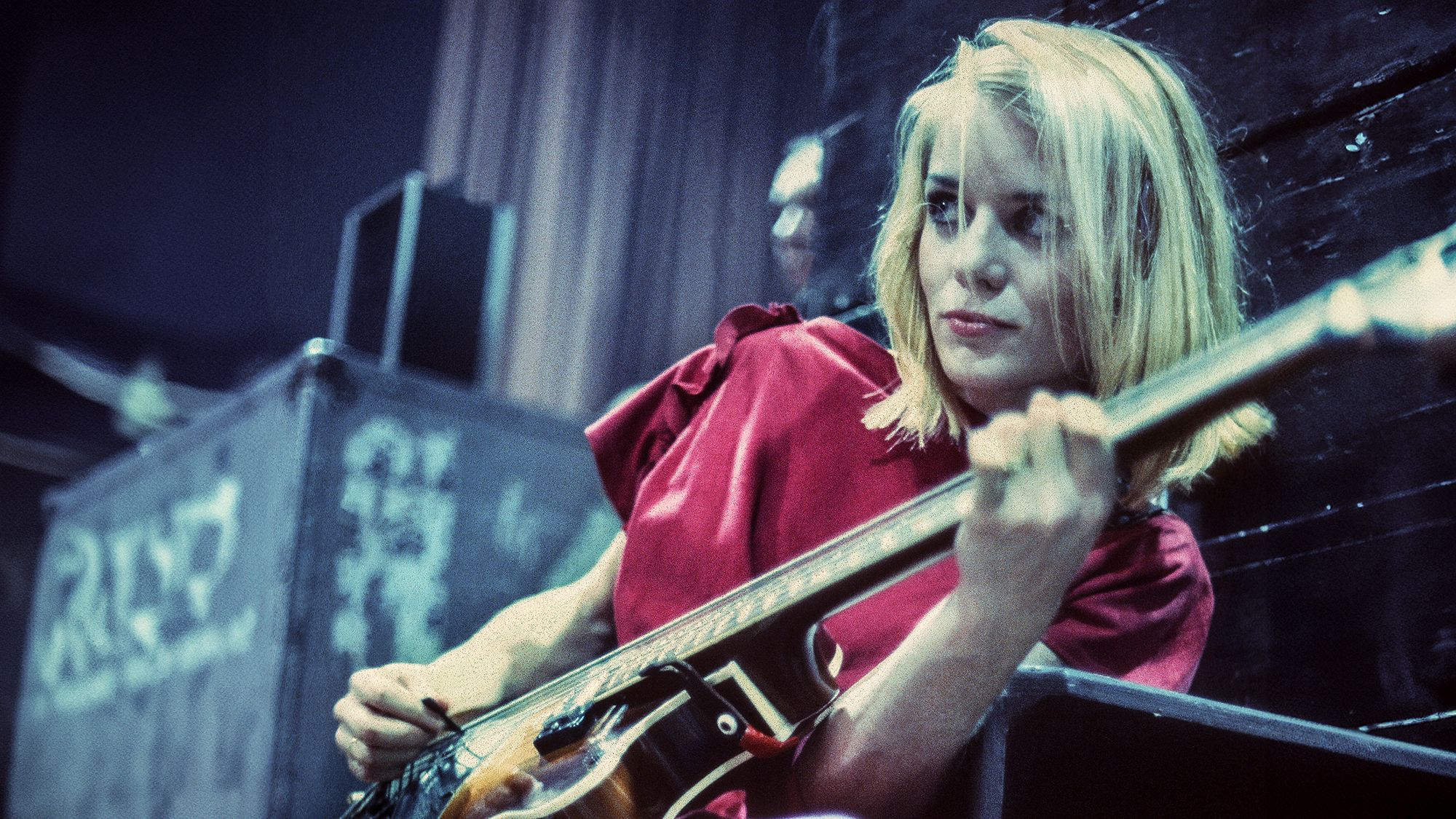
Tina Weymouth perceives the bass guitar through a unique lens, envisioning it as a horn or even a drum rather than merely a rhythmic instrument.
This transformative outlook, significantly influenced by producer Brian Eno, allowed her to redefine the bass’s function within Talking Heads, elevating it from a mere accompaniment to a pivotal element of their sound.
“There have always been those who see the bass as a simple tool to maintain the beat,” Weymouth shares with Guitar Player. “I’ve adopted two distinct methods in my playing.”
Two distinct Approaches to Bass Playing
weymouth elaborates on her two approaches: “One is to play the bass in a way that mimics the sound of horn sections.”
The second approach emerged during the creation of the 1980 album Remain in Light. Collaborating again with Eno, the band infused their music with the intricate polyrhythms of Afrobeat and funk, merging them with electronic elements to forge a new, groove-centric rock sound. This prompted Weymouth to rethink her bass guitar’s role, shifting her focus from horns to a more percussive style.
“I started to view the bass as akin to a drum - as if it were a set of tuned drums,” she explains.
A Unique Path to the Band
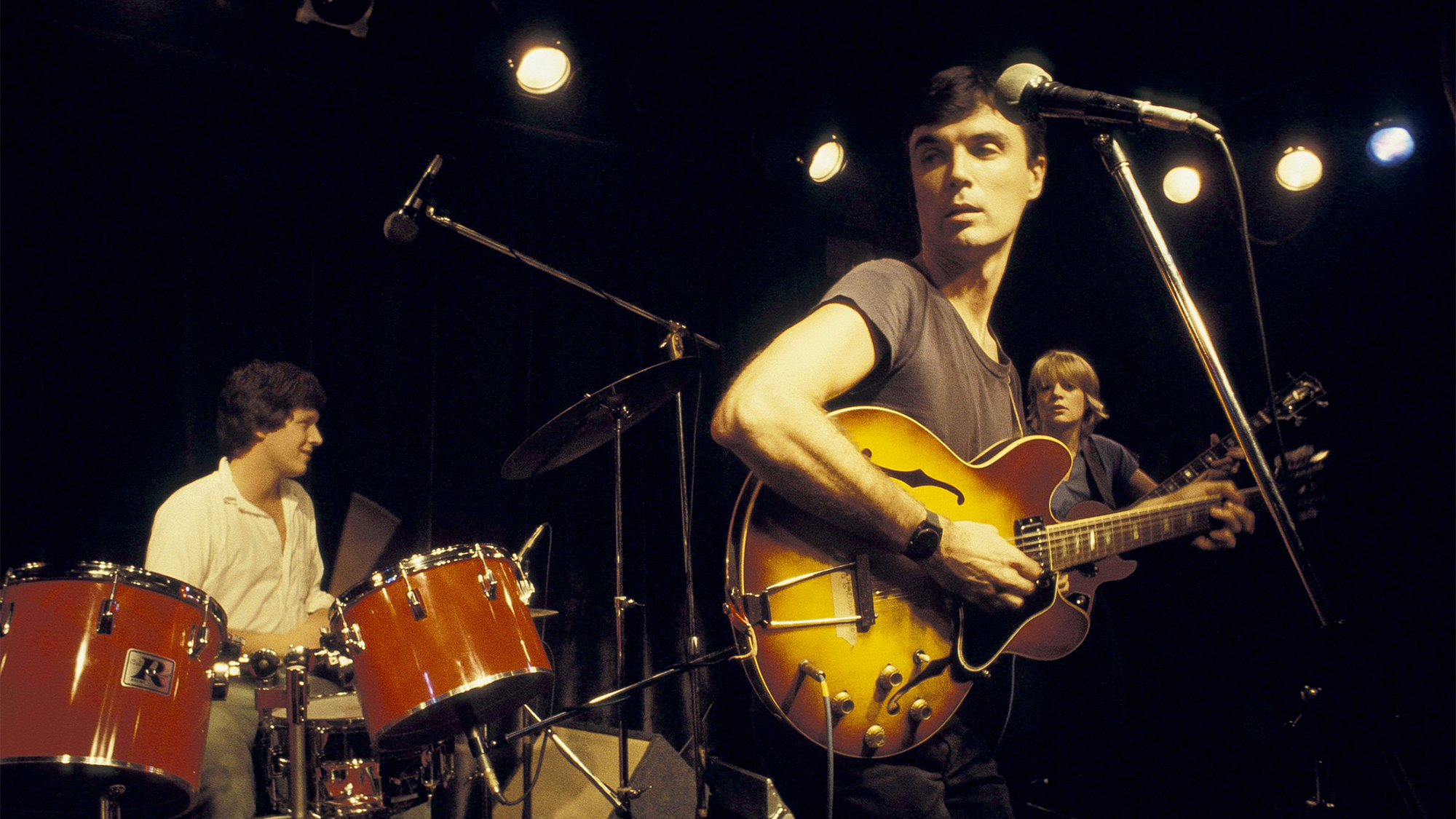
Weymouth’s unconventional approach can be traced back to her unique background.She joined Talking Heads after relocating to New York City with her than-boyfriend,drummer Chris Frantz,and their mutual friend,David Byrne.
When Frantz and Byrne struggled to find a bassist, they turned to Weymouth, who had no prior experience with the instrument. Frantz encouraged her to learn by listening to Suzi Quatro records, while Byrne insisted on three auditions before welcoming her into the band.
early Influences and Musical Progress
Weymouth’s musical interests prior to joining the band were rooted in R&B dance music, especially the works of James Brown and his contemporaries. Though,this influence did not directly translate into her early contributions to Talking Heads.
Initially, she viewed her role as one of support for Byrne rather than as an integral part of the rhythm section.”David’s rhythm guitar had a sharp, tinny quality, creating a gap between his playing and Chris’s drumming,” she recalls. ”This lead me to play in a higher register,focusing on sustained,simple notes rather than a heavy bass presence.”
“I tended to favor half and quarter notes over eighth notes to smooth out the overall sound,” she adds.
Channeling Horns Through Bass
Despite her initial reservations, Weymouth’s vision for the bass was heavily influenced by horn sections. “In our early tracks like ‘The Girls Want to Be with the Girls’ and ‘Love Goes to a Building on Fire,’ I aimed to create horn-like bursts that would resonate throughout the song,” she explains.
“I wouldn’t stop playing, while traditional horn players might take breaks. The horn parts in James Brown’s music deeply inspired me,” she continues.
brian Eno’s Impact on Weymouth’s Sound
Brian Eno’s arrival marked a pivotal moment for Weymouth. He had already revolutionized the sound of artists like Robert Fripp and David Bowie, and now he was ready to help Weymouth realize her vision.
“Eno helped me achieve a sound I was thrilled with on the track ‘Electric Guitar’ from our 1979 album, Fear of Music. He applied an effect to my bass that made it resemble a tuba, which I found incredibly satisfying,” she recalls.
This moment was meaningful; it demonstrated that the bass could transcend its traditional role and be redefined in innovative ways.
Exploring New Rhythms on Remain in Light
The peak of this exploration occurred during the recording of Remain in Light, where the band embraced complex, interwoven rhythms inspired by funk and African music. As the arrangements became more intricate, Weymouth’s playing evolved into a more minimalistic style, tightly locking into the rhythmic framework and treating her bass as a form of tuned percussion.
Following Eno’s guidance, she frequently enough recorded multiple bass lines, selecting which ones would feature in verses and choruses. “I would create a cassette recording, removing elements and then writing the vocals, before deciding what to reintegrate after the vocals were laid down,” she explains.
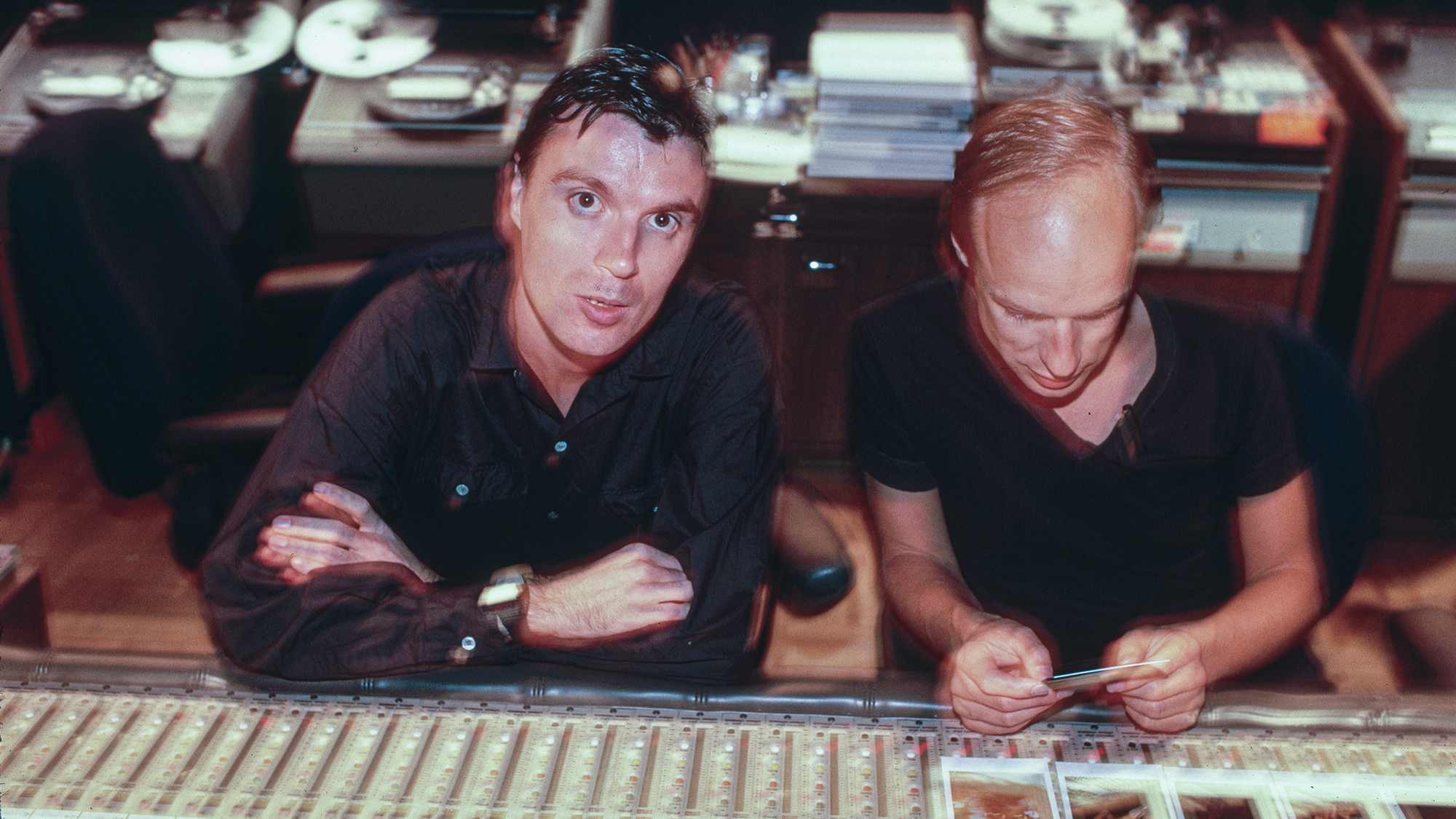
“This approach was groundbreaking and stemmed from what we learned while working with Eno, though we adapted it to fit our style.It was a revolutionary concept at the time and set a new trend in music,” she reflects.
Continuing the Legacy Beyond Eno
Remain in Light would be the final album Talking Heads recorded with Eno. Weymouth noted that evolving their sound was essential for their growth. However, the insights she gained from Eno continued to influence her work with Talking Heads and her side project, Tom Tom Club.
“we took what Eno taught us and adapted it to our own creative vision,” she concludes. “Working with him was a true pleasure, especially when the record labels insisted we collaborate with a producer.”