Beatbounty

Unveiling the Folk Roots: The Hidden Melody Behind Alice Cooper's Anthem 'Hello Hooray

  • 0 reactions
  • 30 minutes ago
  • Beatbounty

The⁤ Unexpected Folk Origins of ​Alice Cooper’s ‘Hello Hooray’

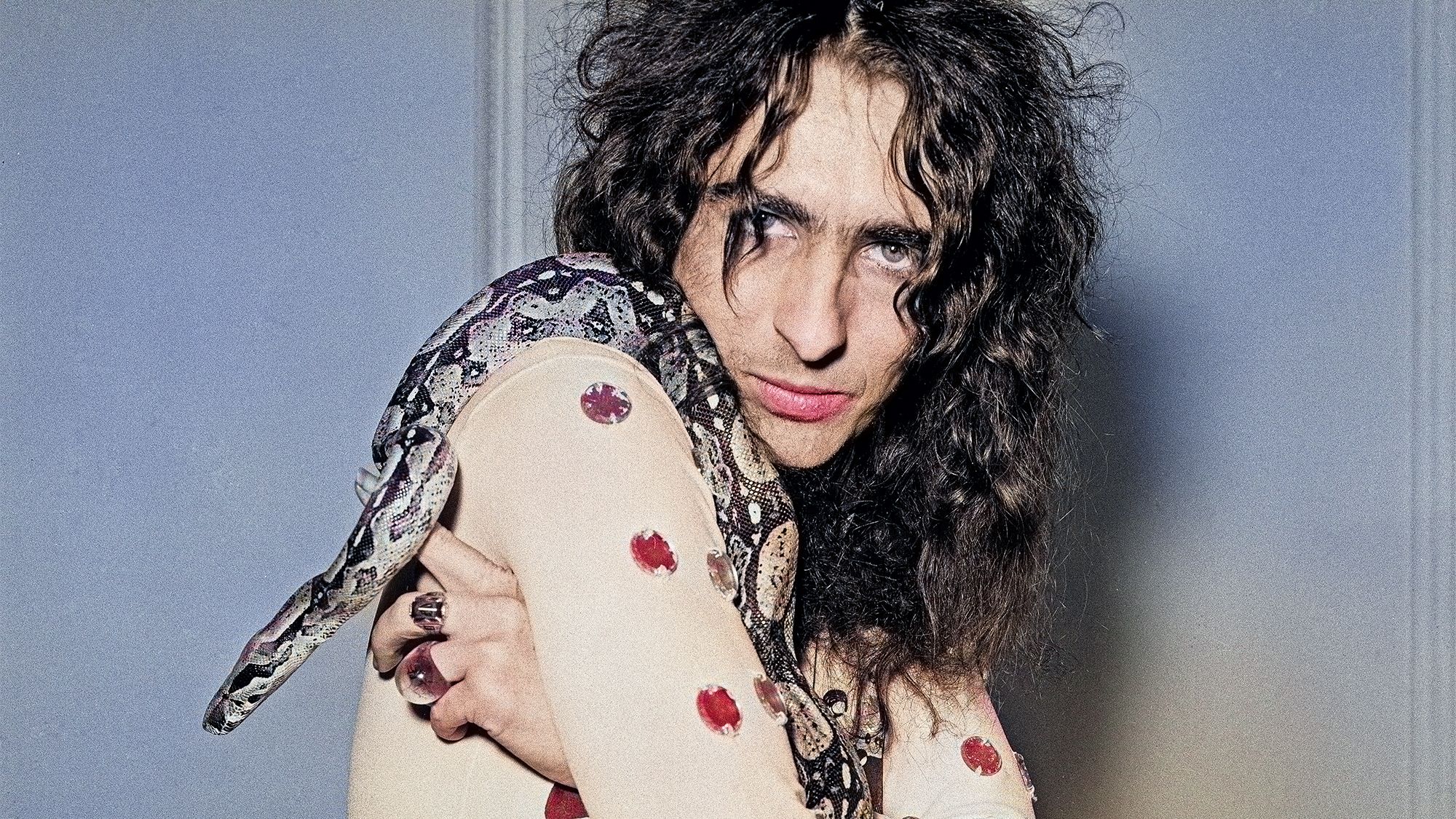
In 1973, Alice Cooper transcended the ⁣role⁢ of⁢ a mere rock star, evolving into the ​master of a high-energy spectacle that captivated audiences. As‍ he and his band ⁣set ‍out to create the iconic album Billion Dollar Babies, they found themselves in ⁤search of the perfect opening track-somthing that would ⁤encapsulate the electrifying atmosphere of a packed arena.

A Surprising Source⁤ of Inspiration

The answer came from an unexpected source: a folk-pop song that had⁤ gained fame through Judy Collins.​ This tune underwent a dramatic transformation, morphing‍ into a dark yet empowering ​anthem that rallied fans for ⁢Alice’s grand entrance.

Billion⁣ Dollar Babies signified a⁢ pivotal shift in Cooper’s career, as he adapted​ his⁣ image⁢ to resonate‍ with a broader ​audience.​ Following ⁢the success⁣ of his ‍1972 hit “School’s Out,” he⁤ became a household name among teenagers, while simultaneously earning the ire of parents concerned about its rebellious message.

Reinventing the rock Persona

In response to this⁢ newfound fame,​ Cooper began to reinvent himself from an underground shock‍ rocker to ⁢a headline-grabbing provocateur. The⁤ song “Elected” from Billion Dollar ⁣Babies exemplified this transformation, presenting Alice ⁢as a presidential candidate for⁢ the rock generation.

Bob Ezrin, Cooper’s producer, played a crucial role in this evolution.His innovative approach to music production,which included ‍incorporating children’s voices in “School’s Out” and adding brass sections in “Elected,” helped elevate Cooper’s theatrical style.

Finding the Perfect Opener

For Cooper’s re-emergence, Ezrin identified “Hello, Hooray”​ as the ideal ⁤opening track.⁢ Written‌ by Canadian singer-songwriter Rolf ⁣kempf, this song had been popularized by‌ Collins ‍on her 1968 album, Who Knows Where the Time Goes. The lyrics, centered around ‌a performer ready to step ⁤into the spotlight, resonated perfectly with Cooper’s new​ persona.

“I heard it and⁢ I said, ‘Bob, ​this ⁣is⁤ a folk song,’” Cooper recalled during an interview. “He ‌insisted, ‘No, ‍listen to​ the lyrics. It’s about a guy⁢ who is ⁢about to go onstage. And he’s terrified – but he’s ready.’”

Transforming⁤ the Sound

With Ezrin’s guidance, Cooper reimagined Kempf’s folk-pop tune into a powerful declaration of his renewed ⁣identity. they crafted new lyrics that⁢ spoke directly to the audience and enhanced the song with orchestral arrangements and ​dramatic cannon blasts that ‌punctuated the extended outro.

To add depth to the track,Ezrin enlisted guitarist steve Hunter,who was tasked with incorporating harmonized slide⁤ guitar‌ into the intro and solo. Although Hunter’s⁤ most meaningful achievements were still ahead of him, including work with Aerosmith and Lou Reed,⁣ he had a keen ⁤sense of ⁣what the song required.

hunter’s Initial Hesitations

Initially,​ Hunter was skeptical about ‌Ezrin’s‌ vision for the slide guitar part. “It ⁢had ⁤a great ⁣arrangement,and it had terrific parts played very well by the Alice Cooper boys,” he later shared. “But I was taken aback when Bob suggested a slide part for the solo section. I had tried slide playing before​ and found it ‌much more challenging than it seemed.”

Though, Hunter’s background in lap-steel guitar proved ⁣beneficial.He arrived at the session with a vintage Gibson electric pedal steel, albeit one​ with a few limitations. “Whatever⁣ Bob⁤ had in mind when he envisioned ‍a ‘slide ⁢part,’ ​it was ⁢a pedal-steel performance,” ​he noted.

Crafting‌ the Perfect Solo

Hunter tuned ​the guitar to an open E and utilized the instrument’s limited capabilities to⁤ create a unique sound. “With⁣ all of its problems, when you plugged the pedal steel into a Marshall half-stack, it sounded ⁢amazing,” he remarked. ⁢”The tone ⁣was pretty organic, primarily derived from the amp and guitar controls.”

Despite his usual preference for improvisation, ‍Hunter and Ezrin agreed that a structured solo would best‍ serve the song. “I worked out the solo,⁣ then ⁣doubled the first half and played harmony to the second half,”​ he explained.

A hit and ​a Grand Entrance

Ultimately, Ezrin’s instincts proved correct.⁤ “Hello Hooray” (dropping the original comma) became a ​hit, reaching number ‍35 on the Billboard Hot 100, and served as a spectacular opener for the Billion ⁢Dollar babies tour.

“That song was the quintessential alice opening,” ‍Cooper reflected. “It was the call to arms. It told the audience, ‘The show is starting, and you’re part of it now.’”

Unveiling the folk Roots: The Hidden Melody Behind Alice Cooper’s Anthem ‘Hello ⁣Hooray’

Unveiling the​ Folk ‍Roots: The Hidden Melody ​Behind Alice‌ Cooper’s​ Anthem ​’Hello ⁤Hooray’

The Origins of ‘Hello Hooray’

alice Cooper’s iconic anthem “Hello Hooray”⁤ is not just a rock song; it has deep folk roots that many fans may not⁤ be aware of. Originally penned by Canadian singer-songwriter Rolf Kempf, the song​ was first popularized⁣ by ⁢Judy Collins‌ in her 1968 album Who Knows Where the ⁢Time ‌Goes. The lyrics reflect the anxiety and excitement of a ⁣performer‍ stepping into the spotlight, ⁤a theme‍ that ​resonated perfectly⁣ with Cooper’s theatrical persona.

The Transformation into a rock Anthem

When Alice Cooper and his band were preparing to record their groundbreaking album Billion Dollar Babies ⁣ in​ 1973, they⁣ needed a powerful opening track. Bob Ezrin, the ‍producer, recognized‌ the potential ‍in “Hello Hooray” ⁢and suggested a radical reimagining of the song.This transformation involved:

  • Changing the⁢ lyrics to ‍address the audience ⁤directly.
  • Incorporating orchestral arrangements to enhance‍ the dramatic⁣ effect.
  • Adding⁢ cannon blasts to create a grandiose atmosphere.

Key Elements of the Song’s Success

The success ⁤of⁢ “Hello Hooray” can be ⁤attributed​ to several key elements:

  • Powerful‍ Lyrics: The lyrics convey a‍ sense ‍of ⁤readiness and excitement, making it⁤ an ideal ‍opener for live ⁣performances.
  • Dynamic‍ Arrangement: ‌The orchestral backing ​and cannon blasts create ​an unforgettable auditory experience.
  • Guitar work: Steve Hunter’s slide guitar adds‌ a unique texture that elevates the song’s energy.

Musical Structure and Composition

The musical‌ structure of “Hello Hooray” is a blend of folk and rock elements, showcasing ⁤how genres can intersect ‌to ⁣create something new. The⁢ song features:

Element description
Verse Introduces the theme ⁣of anticipation ⁣and excitement.
Chorus Encourages audience participation, making it a rallying cry.
Bridge Builds tension‌ before⁤ the ‌explosive finale.

Benefits⁢ of Understanding the Song’s Roots

Exploring the folk origins of “Hello ​Hooray”⁤ offers several benefits:

  • enhanced Thankfulness: Knowing the song’s background allows listeners to appreciate its ⁢depth and complexity.
  • Connection to Folk Traditions: It highlights the‍ influence of folk⁤ music on rock, showcasing the genre’s evolution.
  • Inspiration for Musicians: Understanding how‌ Cooper transformed a folk‍ tune into a rock anthem can inspire aspiring ⁤artists to experiment with their own musical styles.

Case Studies: Other ⁤Songs with⁣ Folk Roots

Many rock songs have ⁢roots in folk music, demonstrating the genre’s lasting influence. Here are a few‌ notable examples:

Song Artist folk Influence
“The ⁣Weight” The⁤ Band Incorporates customary folk storytelling.
“Scarborough Fair” Simon & Garfunkel Based on a traditional English ballad.
“Knockin’ ⁣on Heaven’s Door” Bob ​Dylan Folk roots evident in ‌its ⁣lyrical‍ simplicity.

First-hand Experience: Alice Cooper’s Perspective

Alice Cooper himself has‌ shared⁢ insights into the creation of⁤ “Hello Hooray.”⁣ He ‍recalls his initial skepticism about the song’s folk origins:

“I heard it and I said, ‘Bob, this is a folk ⁣song.’ He said,‍ ‘No, listen to the lyrics. It’s about a guy ‌who is about to go onstage. And‌ he’s terrified​ – ‌but he’s ready.’”

This perspective highlights the importance of looking beyond genre labels to understand the emotional core of a song.

Practical Tips ‍for‌ musicians

If you’re an aspiring musician looking to draw inspiration ‍from “Hello ⁣Hooray” and its ⁤folk roots, consider ⁢these practical tips:

  • Experiment with Genres: Don’t be ⁢afraid to blend different musical styles ‌to create something unique.
  • Focus on‌ Lyrics: Write lyrics that resonate with your audience and evoke strong ⁢emotions.
  • incorporate Live Elements: Use orchestral arrangements or unexpected instruments to enhance⁤ your sound.

Join ⁢the‌ Beatbounty Community

Are you⁤ a musician or music enthusiast? Join the ⁢Beatbounty platform ⁣today! Create an‍ account and submit your ads to⁤ connect with ⁢other ⁣artists​ and fans. Share⁣ your music,​ collaborate, and be part of a vibrant community⁤ that celebrates ‌creativity.

Become a valued member of Beatbounty platform

Start selling and connect with fellow musicians –  LOGIN or REGISTER!

Tune Into the Conversation!

Your thoughts matter! Leave a comment and strike up a dialogue with fellow readers.

Created by c-web. ©2024 All rights reserved.